If you have ever looked at a cannabis vape and wondered what actually happens when you inhale from it, you are not alone. Vape pens and cannabis vaporizers have become a familiar part of the modern cannabis market, but the technology inside these devices can seem complicated at first. Understanding how do weed vapes work can make it easier to understand the difference between cannabis vaping, smoking, cartridges, disposable devices, and dry-herb vaporizers.
A weed vape generally uses a battery or another power source to heat cannabis material or cannabis concentrate. Instead of burning the material like a traditional smoking method, the device uses controlled heat to produce an inhalable aerosol. Depending on the product, the cannabis material may contain cannabinoids such as THC or CBD, along with other ingredients or compounds. The resulting aerosol is then inhaled through the mouthpiece. The CDC describes vaporizers as devices that can use non-combusting heat to release active substances from materials such as dry herb, wax, and oil.
Understanding how do weed vapes work is also important because not every cannabis vape is built the same way. Some products use pre-filled cartridges, some are disposable, and others are reusable devices designed for particular forms of cannabis material. Each design can affect how the device operates, how the material is heated, and what type of aerosol is produced.
This guide explains the basic science and technology behind weed vapes, the major types of cannabis vape devices, the role of batteries and heating elements, how cartridges work, how dry-herb vaporizers differ from oil vapes, and important considerations surrounding cannabis vaping.
What Is a Weed Vape?
A weed vape is an electronic vaporizing device designed to heat cannabis material so that its compounds can be inhaled through an aerosol. The term can describe several different products, including vape pens, cannabis oil cartridges, disposable cannabis vapes, portable vaporizers, and dry-herb vaporizers.
The basic concept is relatively straightforward. Traditional smoking relies on combustion, which means the material is burned and smoke is produced. A vaporizer instead uses heat without directly burning the cannabis material. This distinction is central to understanding how do weed vapes work.
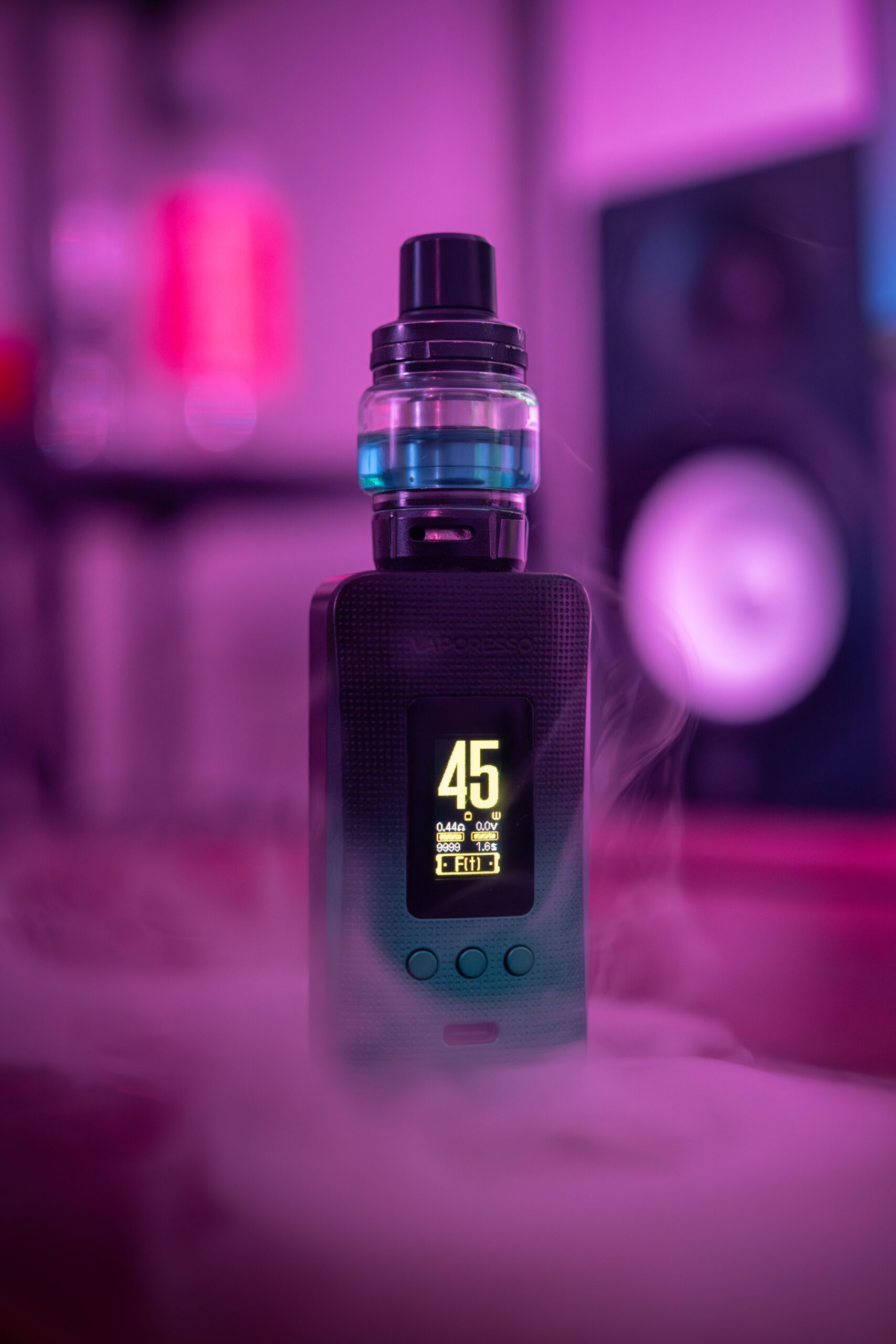
A typical vape may contain a battery, heating element, chamber or cartridge, airflow pathway, and mouthpiece. Some devices also include buttons, temperature controls, charging ports, or indicator lights. Simpler disposable products may have very few visible controls because the manufacturer has integrated the battery, heating system, and cannabis formulation into one device.
Cannabis vapes can contain THC, CBD, or other cannabinoids depending on the product. THC is a psychoactive cannabinoid that can cause impairment, while CBD is not considered intoxicating by the CDC.
Because products differ significantly, consumers should not assume that every weed vape provides the same experience or contains the same ingredients. Concentration, formulation, device design, heating technology, and product quality can all vary.
How Do Weed Vapes Work?
So, how do weed vapes work in practical terms? The process starts when the device receives power from its battery or another power source. That electrical energy is sent to a heating element, sometimes called a coil or atomizer.
The heating element becomes hot enough to aerosolize the cannabis material. With cannabis oil cartridges, the oil is drawn toward the heating element, where heat changes the formulation into an aerosol that can travel through the device’s airflow path. With dry-herb vaporizers, cannabis flower is placed inside a chamber and heated without intentionally burning it.
When the user inhales, airflow moves through the device and carries the generated aerosol toward the mouthpiece. The aerosol is then inhaled.
The exact temperature and heating method depend on the device. Some advanced vaporizers allow users to select different temperature settings, while simpler devices operate at a predetermined temperature.
This is why the phrase how do weed vapes work involves more than simply saying that a battery heats cannabis. The interaction between the battery, heating element, cannabis material, airflow, chamber, and temperature determines how the device produces its aerosol.
The Main Parts Inside a Weed Vape
Understanding the individual components makes how do weed vapes work much easier to visualize.
Battery
The battery provides the electrical energy needed to operate the heating system. Rechargeable vape pens commonly use an internal rechargeable battery, while some larger vaporizers use replaceable batteries.
The battery itself does not create the aerosol. Instead, it supplies energy to the heating element. When the device is activated, the battery sends electrical current to the heater, causing the heating element to increase in temperature.
Battery capacity can influence how long a rechargeable device operates between charges. Device size, heating power, usage frequency, and battery design can all affect battery life.
Heating Element
The heating element is one of the most important components when explaining how do weed vapes work.
Its purpose is to convert electrical energy into heat. In an oil cartridge, the heater interacts with the cannabis oil as the material reaches the appropriate area of the heating chamber. In a dry-herb vaporizer, the heater warms the flower inside a chamber.
Different devices use different heating technologies. Some use direct contact heating, while others use heated air moving through the cannabis material. Advanced vaporizers may use more sophisticated temperature-control systems.
The goal is generally to generate enough heat to release desired compounds without relying on traditional combustion.
Cartridge or Chamber
The cartridge or chamber is where the cannabis material is held.
Oil vape cartridges are usually pre-filled with a cannabis oil formulation. The cartridge may include its own heating element or connect to a compatible battery.
Dry-herb vaporizers use a chamber designed to hold cannabis flower. The chamber may be made from materials such as ceramic, metal, or other heat-resistant materials depending on the device.
The design of this component directly affects how the cannabis material interacts with heat.
Airflow Path
Airflow is another important part of understanding how do weed vapes work.
When a person inhales, air travels through the device. This airflow helps move the aerosol generated by the heating process toward the mouthpiece.
Some devices have adjustable airflow systems. Others have fixed airflow. The design can affect the draw resistance, amount of air entering the chamber, and overall inhalation experience.
Mouthpiece
The mouthpiece is the part of the device through which the aerosol exits. It connects the internal airflow pathway to the user’s mouth.
Although the mouthpiece is one of the simplest components, its design can influence airflow and comfort.
How Cannabis Oil Vapes Work
Cannabis oil vapes are among the most recognizable types of weed vapes. They generally use a cartridge or pod containing a cannabis oil formulation that is connected to a battery-powered device.
To understand how do weed vapes work with oil, imagine a small heating system inside a cartridge. When the device activates, electrical energy reaches the heater. The heater warms the cannabis formulation, producing an aerosol that can move through the mouthpiece.
Some devices activate automatically when the user inhales. Others require a button to be pressed before the heating element activates.
The cannabis oil itself can contain concentrated cannabinoids. The CDC notes that oils and concentrates used in vaping may contain highly concentrated THC and may also contain additives or contaminants depending on the product.
This is one reason product information matters. A vape cartridge should not be evaluated only by its appearance or flavor. Consumers should pay attention to the product’s labeling, cannabinoid content, ingredients, manufacturing information, and applicable testing or regulatory requirements.
How Disposable Weed Vapes Work
Disposable weed vapes combine several components into a single device. The battery, heating system, cannabis formulation, airflow pathway, and mouthpiece are generally integrated into one compact unit.
This design makes the basic operation relatively simple. The user activates the device, either through an automatic draw system or another built-in activation method, and the battery powers the heating element.
The heating element then interacts with the cannabis formulation to create an aerosol.
Once the cannabis formulation or battery is depleted, the disposable product is generally intended to be discarded rather than refilled. Some products marketed as disposable may have rechargeable batteries, but the overall design remains centered around a pre-filled, integrated system.
When learning how do weed vapes work, disposable devices are useful examples because they demonstrate how multiple components can be packaged into a compact format.
How Cartridge Vapes Work
A cartridge vape usually separates the cannabis cartridge from the battery. The cartridge contains the cannabis formulation, while the battery provides power.
This design allows compatible batteries to be used with different cartridges, although compatibility depends on the specific connection and device design.
When activated, the battery sends power to the heating element. The cannabis oil is heated and converted into an aerosol. Airflow carries that aerosol toward the mouthpiece.
Cartridge systems are popular because they can be relatively compact and convenient, but the contents of cartridges can vary significantly. Some contain THC-dominant formulations, while others may contain CBD or combinations of cannabinoids.
The concentration of THC is especially relevant because THC is intoxicating and can impair attention, decision-making, memory, and other functions.
How Dry-Herb Weed Vapes Work
Dry-herb vaporizers work differently from oil cartridges because they are designed to heat cannabis flower rather than a liquid cannabis formulation.
The flower is placed into a dedicated chamber. Once the device is activated, the heating system raises the temperature inside the chamber.
Instead of intentionally burning the plant material, the device uses controlled heat to release compounds into an aerosol that can be inhaled.
This distinction is important because combustion and vaporization are different processes. Combustion involves burning material and producing smoke, while vaporization relies on heating without intentionally burning the material.
The CDC’s vaporizer visual dictionary explains that vaporizers can aerosolize dry herbs, wax, and oil by applying non-combusting heat.
What Happens When You Inhale From a Weed Vape?
The question how do weed vapes work becomes even clearer when we follow the process from the moment a person inhales.
First, the device detects activation. Depending on the design, this may happen automatically through an airflow sensor or through a button.
Next, electrical power reaches the heating element. The heating element increases in temperature.
The cannabis material then interacts with the heat. In an oil cartridge, the formulation is heated and aerosolized. In a dry-herb device, heated air or the heated chamber causes compounds from the flower to enter the aerosol.
The aerosol moves through the device’s internal pathway and reaches the mouthpiece.
The user inhales the aerosol into the respiratory system.
The compounds delivered depend on the cannabis formulation, device characteristics, heating conditions, and other factors. This means two different cannabis vape products may not produce identical results even if they appear similar from the outside.
Vape Aerosol Is Not Simply Water Vapor
One common misunderstanding about how do weed vapes work is the idea that a vape produces nothing more than harmless water vapor.
That description is inaccurate. The CDC explains that vape aerosol is not simply water vapor and can contain various substances depending on the product.
With cannabis vaping, the aerosol may contain cannabinoids and other compounds from the cannabis formulation. Depending on the product, ingredients, manufacturing process, and device, other substances may also be present.
This is particularly important with cannabis concentrates because concentrated formulations can contain much higher cannabinoid levels than traditional cannabis flower.
Consumers should therefore avoid assuming that a vaporizer automatically eliminates all potential risks associated with inhalation.
THC and CBD in Weed Vapes
THC and CBD are two cannabinoids frequently discussed when learning how do weed vapes work.
THC, or tetrahydrocannabinol, is the primary cannabinoid associated with the intoxicating effects of cannabis. THC can affect perception, attention, memory, coordination, and decision-making.
CBD, or cannabidiol, is another cannabinoid found in cannabis. According to the CDC, CBD itself is not considered intoxicating and does not cause the same type of high associated with THC.
However, a product containing CBD should not automatically be assumed to be risk-free. Product formulations, purity, labeling accuracy, and other ingredients can vary.
Consumers should also distinguish between the cannabinoid itself and the method of delivery. A CBD vape and a THC vape may use similar hardware, but their contents and intended effects can be different.
Why Temperature Matters in Cannabis Vaping
Temperature is an important part of how do weed vapes work because cannabinoids and other cannabis compounds interact with heat.
A vaporizer must generate enough heat to release compounds from the cannabis material. At the same time, vaporization is designed to avoid the direct burning associated with combustion.
Some advanced devices offer adjustable temperature settings. These controls allow the heating process to be modified rather than operating at only one preset level.
Temperature can influence the amount and composition of aerosol produced. It can also influence flavor, draw characteristics, and the way the material is heated.
However, temperature control should not be interpreted as a guarantee of safety. The CDC states that cannabis vaping carries health and safety risks and that researchers do not have enough evidence to conclude that one cannabis-use method is universally safer than another.
Weed Vapes vs Smoking Cannabis
The difference between smoking and vaping is primarily related to how the cannabis material is heated.
Smoking involves combustion. Cannabis flower is burned, producing smoke that contains numerous chemical compounds.
Vaping uses a heating system designed to aerosolize cannabis material without intentionally burning it.
This difference explains why people interested in how do weed vapes work often compare vaping with smoking.
However, it would be inaccurate to conclude that vaping is automatically safe simply because it does not involve traditional combustion. Cannabis vaping has its own risks, and researchers are still studying its short- and long-term health effects.
The CDC specifically notes that cannabis use can have health risks regardless of the method used and that vaping has been associated with lung injury.
Why Cannabis Vapes Can Feel Different From Smoking
A person’s experience with a cannabis vape can differ from smoking cannabis for several reasons.
One factor is the concentration of cannabinoids. Cannabis oils and concentrates may contain higher concentrations of THC than ordinary flower.
Another factor is the device itself. Heating temperature, airflow, chamber design, and cartridge construction can influence how the aerosol is produced.
The formulation also matters. A cartridge may contain different cannabinoids, terpenes, or other ingredients depending on the product.
Individual factors matter as well. The CDC notes that cannabis effects can depend on THC concentration, frequency of use, previous experience, biology, and whether cannabis is used with other substances.
For these reasons, people should not assume that the experience from one vape product will be identical to another.
Understanding Cannabis Vape Concentration
Concentration is an important consideration when discussing how do weed vapes work because many vape products contain cannabis extracts rather than raw flower.
A concentrate can contain a much higher proportion of cannabinoids than traditional cannabis flower. This means a small amount of oil may contain a substantial amount of THC.
The CDC warns that concentrated THC products can present additional risks and that the effects of highly concentrated forms are not completely understood.
Product labeling can help consumers understand cannabinoid concentration. However, labeling quality can vary depending on where a product is manufactured and sold.
For that reason, purchasing from regulated markets and checking available product information can be important. Local laws and regulations should always be considered before purchasing or using cannabis products.
Are Weed Vapes Safe?
A responsible explanation of how do weed vapes work should also address safety.
There is no basis for describing cannabis vaping as completely risk-free. The CDC states that health and safety risks exist with different methods of cannabis use, including vaping.
Cannabis vaping has also been associated with serious lung injury. During the 2019 outbreak of vaping-associated lung injuries in the United States, THC-containing vaping products containing vitamin E acetate were linked to most cases identified by investigators.
This history demonstrates why the source and formulation of a cannabis vape matter.
Products from informal or unknown sources can present additional uncertainty because consumers may not know exactly what ingredients or contaminants are present.
The safest approach is to understand what a product contains, follow applicable laws, and avoid assuming that vaping is harmless.
Why Product Quality Matters
Product quality is an important consideration for anyone researching how do weed vapes work.
A high-quality regulated product should have clear information about its contents, cannabinoid concentration, manufacturer, and applicable testing requirements.
The exact requirements depend on the jurisdiction. In regulated cannabis markets, testing and labeling rules may cover areas such as potency, contaminants, pesticides, metals, and other product characteristics.
The CDC notes that THC vaping products can contain additives or contaminants and that the contents of products can be difficult to determine in some circumstances.
Consumers should therefore be cautious about products with unclear labeling, unknown ingredients, or questionable sources.
Common Types of Weed Vapes
There are several broad categories of cannabis vaporizers.
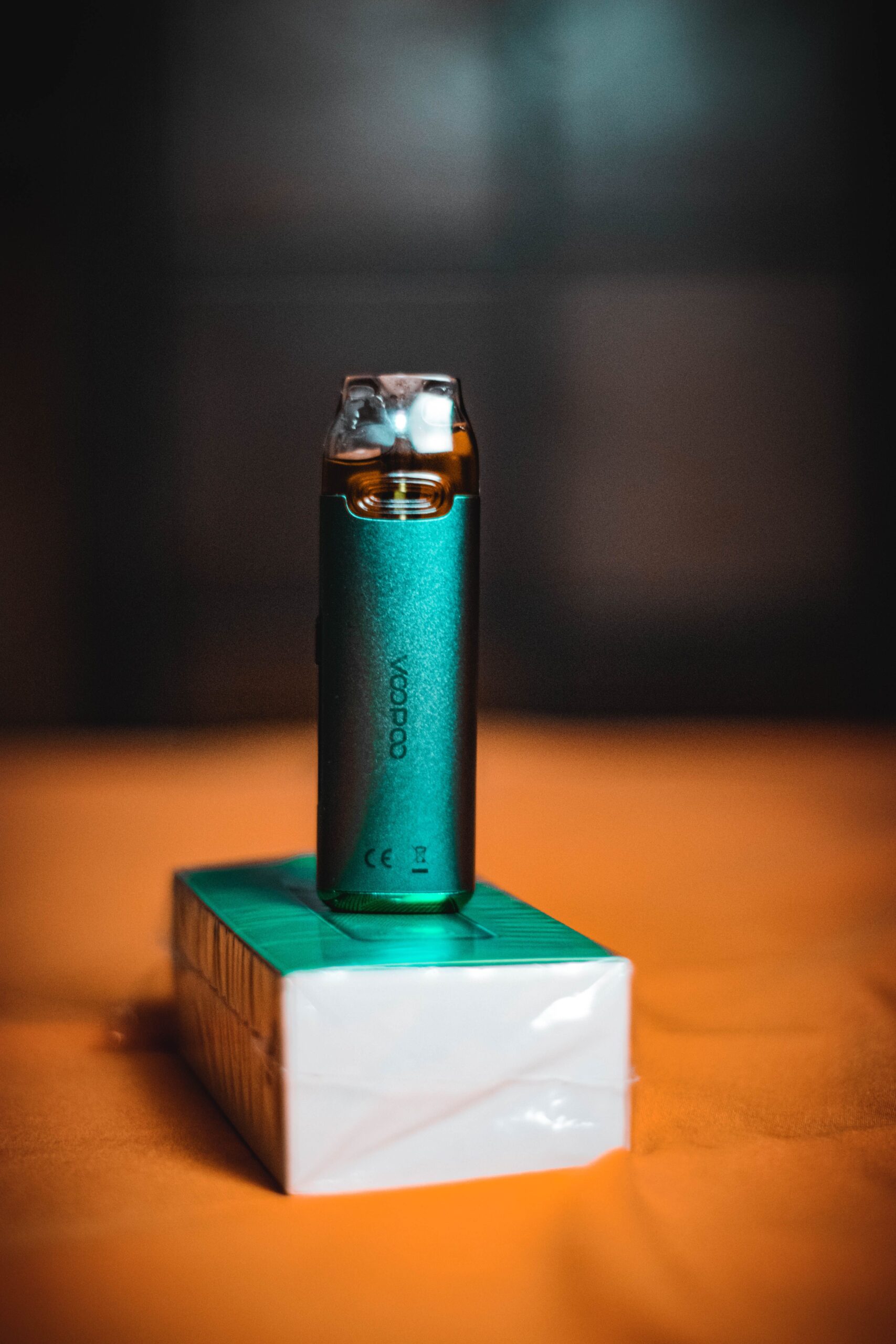
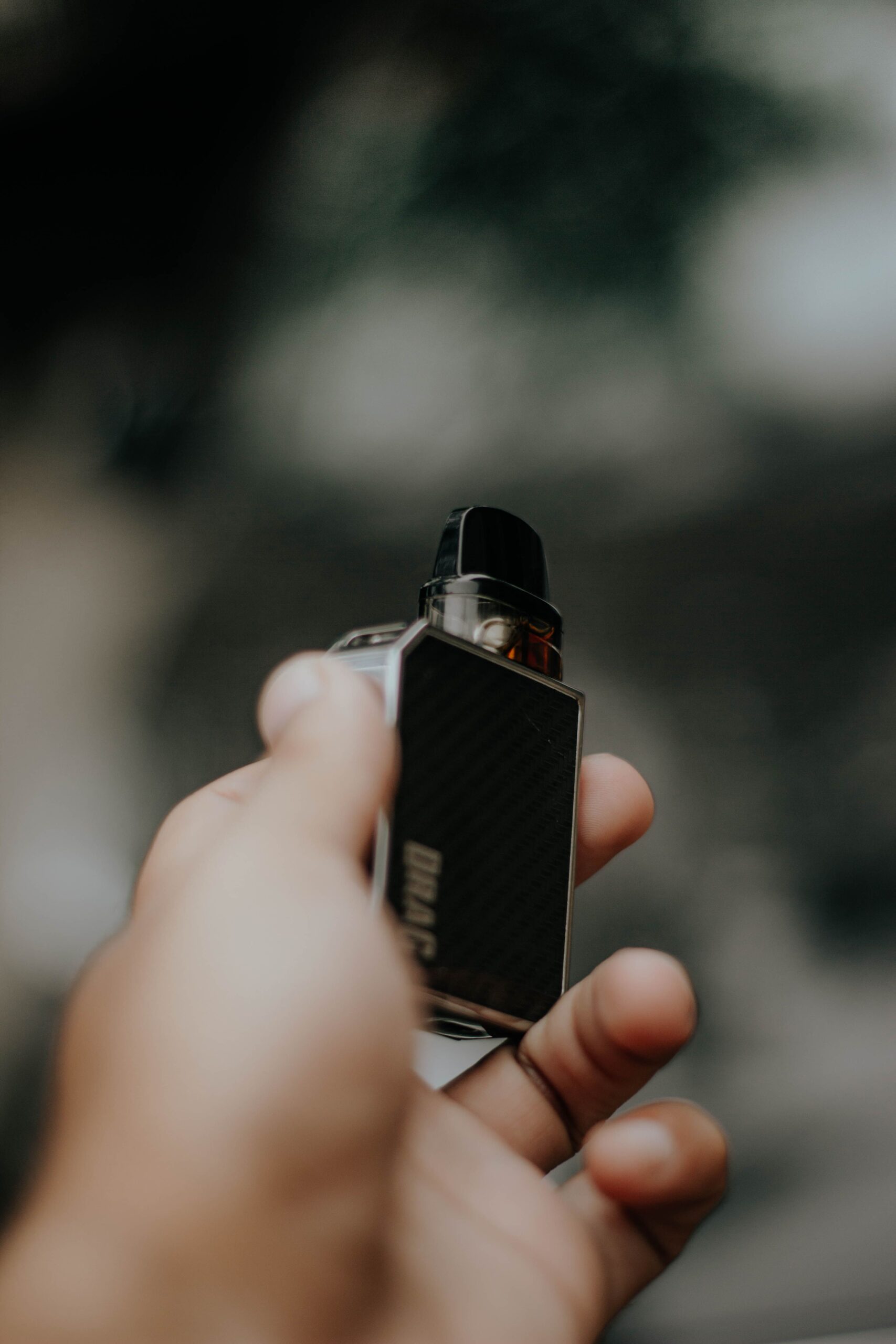
Oil vape pens are compact devices that use cartridges or pods containing cannabis oil. They are often battery-powered and may be activated by inhalation or a button.
Disposable cannabis vapes combine the battery, cannabis formulation, heating system, and mouthpiece into one unit.
Rechargeable cartridge systems use a reusable battery with replaceable cartridges.
Dry-herb vaporizers are designed for cannabis flower rather than liquid oil.
Portable vaporizers are generally rechargeable and designed to be carried outside the home.
Desktop vaporizers are larger devices designed primarily for stationary use.
Although these products operate on the same basic principle of controlled heating, their construction and user experience can be quite different.
What Is the Difference Between a Vape Pen and a Vaporizer?
The terms vape pen and vaporizer are sometimes used interchangeably, but they can describe different types of products.
A vape pen usually refers to a compact, pen-shaped device designed for portability. It may use a pre-filled cartridge or an integrated cannabis formulation.
A vaporizer is a broader term that can include portable dry-herb devices, concentrate vaporizers, oil vaporizers, and larger desktop systems.
Therefore, when researching how do weed vapes work, it is useful to think of “vaporizer” as the broader category and “vape pen” as one common form of vaporizer.
Why Some Weed Vapes Have No Button
Many modern vape pens use draw-activated technology.
In these devices, an airflow sensor detects when a person inhales. The sensor then activates the battery and heating element.
This design eliminates the need to hold down a button.
Other devices use manual activation. The user presses a button to turn the heating system on before inhaling.
Both systems rely on the same basic principle: electrical energy is converted into heat, which interacts with the cannabis material to produce an aerosol.
Why a Vape May Produce Less or More Aerosol
Several factors can influence how much aerosol a cannabis vape produces.
Battery power is one factor. A device with different power characteristics may heat its element differently.
The cannabis formulation also matters. Viscosity, composition, and the amount of material available to the heating element can influence aerosol production.
Airflow is another important factor. More or less air passing through the device can change the appearance and density of the aerosol.
Temperature and heating duration can also affect the amount produced.
Because of these variables, the size of a visible cloud is not necessarily a reliable indicator of cannabinoid content or product quality.
Why a Cannabis Vape Can Taste Different From Another
Flavor differences can result from several factors.
Cannabis contains aromatic compounds called terpenes, which contribute to the characteristic aromas and flavors associated with different cannabis varieties.
Vape formulations may also be designed around particular flavor profiles.
The heating temperature can influence how aromatic compounds are experienced.
The hardware can contribute as well. The material used for the cartridge, chamber, and airflow pathway can affect the overall experience.
However, flavor alone should not be treated as proof of product quality or purity.
What Happens to the Cannabis Material During Vaping?
When cannabis is heated, its compounds can move into the aerosol produced by the device.
With dry flower, heating can release cannabinoids and aromatic compounds without the direct burning associated with combustion.
With cannabis oil, the heating element aerosolizes the formulation.
THCA is another relevant example when discussing heat. The CDC explains that THCA can convert into THC when exposed to heat, including through smoking, vaping, or dabbing.
This illustrates why heat is central to the cannabis vaping process.
The exact chemical changes depend on the formulation, temperature, device design, and other conditions, so it is not accurate to assume that every vape behaves identically.
How Do Weed Vapes Work With Concentrates?
Concentrate vaporizers are designed to heat cannabis extracts rather than traditional flower.
Concentrates may contain significantly higher cannabinoid concentrations than flower. They can come in different textures and formulations and may require specialized devices.
The heating element interacts directly with the concentrate, producing an aerosol that can be inhaled.
Because concentrates can be potent, understanding the product’s cannabinoid concentration is particularly important.
The CDC notes that concentrated THC products used in vaping and dabbing can involve higher THC exposure and may carry additional risks.
The Role of Terpenes in Cannabis Vapes
Terpenes are naturally occurring aromatic compounds found in many plants, including cannabis.
They contribute to the smell and flavor associated with cannabis varieties.
Some cannabis vape formulations preserve or add terpenes to create a particular sensory profile.
However, terpene presence should not be interpreted as a guarantee of a particular medical or therapeutic effect. Many claims about individual terpene effects are still being researched, and consumers should distinguish between established information and marketing language.
For an SEO-friendly cannabis education article, it is especially important to avoid turning flavor or aroma descriptions into unsupported health claims.
Can You Vape Cannabis Flower?
Yes, certain vaporizers are specifically designed for dry cannabis flower.
These devices have a chamber where the flower is placed. The device then heats the material without intentionally burning it.
However, not every vape is compatible with flower. Oil cartridges, disposable vapes, and cartridge batteries are generally designed for their specific formulations rather than loose cannabis flower.
Using the wrong material in a device can damage the hardware or create an unsafe situation.
Consumers should always follow the manufacturer’s instructions for the specific vaporizer they own.
How Do Weed Vapes Work Without Burning Cannabis?
The central concept is controlled heating.
Combustion occurs when material burns. Vaporization or aerosolization, by contrast, uses heat to release compounds without intentionally combusting the material.
A vaporizer’s heating element raises the temperature of the cannabis material or formulation. Once the relevant compounds become available in the aerosol, airflow carries that aerosol through the device.
This is the fundamental answer to how do weed vapes work.
The technology is similar in principle to other vaporization systems, but the material being heated and the temperatures involved can vary considerably.
Important Safety Considerations for Cannabis Vape Users
Anyone considering cannabis vaping should understand several basic safety principles.
Cannabis products containing THC can cause impairment. Because THC can affect attention, coordination, memory, and decision-making, people should not drive or operate machinery while impaired.
Cannabis should also be kept away from children and pets.
Pregnant and breastfeeding individuals should avoid cannabis use unless they have received appropriate medical guidance. The CDC warns about potential health risks associated with cannabis use during pregnancy and breastfeeding.
People should also avoid using products with unclear ingredients or unknown origins.
Battery safety matters as well. Vape batteries can become damaged or malfunction, and the CDC notes that defective e-cigarette batteries have caused fires and explosions, with many incidents occurring during charging.
Following manufacturer charging and storage instructions is therefore important.
Why Buying From a Regulated Source Matters
When learning how do weed vapes work, the technology is only one part of the overall picture. The quality and origin of the cannabis product are also important.
Regulated cannabis markets may require products to meet specific testing, packaging, labeling, and manufacturing standards. Requirements vary by jurisdiction.
A regulated retailer can provide product information that helps consumers understand what they are purchasing.
Top Cannabis Outlet presents itself as a locally owned cannabis retailer in Michigan and includes a dedicated vape category on its website.
Consumers should always confirm current Michigan requirements and any applicable age, possession, purchase, and use restrictions before buying or using cannabis products.
How Long Does a Weed Vape Last?
There is no single answer because the lifespan of a cannabis vape depends on the product size, battery capacity, formulation, usage frequency, heating system, and other factors.
A disposable vape may eventually stop functioning when its battery or cannabis formulation is depleted.
A rechargeable cartridge system can continue operating as long as the battery is charged and a compatible cartridge is available.
Dry-herb vaporizers can be used repeatedly because the device itself is reusable, although the cannabis material must be replaced when needed.
Therefore, the phrase “how long a vape lasts” can refer either to battery life, cartridge capacity, or the duration of the cannabis product itself.
Why Weed Vapes Have Become Popular
The popularity of cannabis vapes can be explained by several practical characteristics.
Many vape products are compact and portable. Cartridge systems can also separate the reusable battery from the replaceable cannabis cartridge.
Some users appreciate the absence of traditional smoke associated with combustion.
Vapes can also provide a modern electronic format that is familiar to consumers who have encountered nicotine vaping devices.
However, popularity should not be confused with safety. The CDC emphasizes that cannabis use carries risks regardless of the method and that researchers still need more evidence regarding the long-term effects of cannabis vaping.
Common Mistakes People Make When Learning How Do Weed Vapes Work
One common misunderstanding is thinking that all vapes are the same. In reality, an oil cartridge, dry-herb vaporizer, disposable vape, and concentrate device can operate quite differently.
Another mistake is assuming that a vape produces only harmless water vapor. Vape aerosol is not simply water vapor, and its contents depend on the product.
Some people also assume that higher THC automatically means better quality. Potency and quality are different concepts. A higher concentration does not necessarily indicate superior manufacturing, flavor, or product standards.
Another mistake is ignoring the source of a product. Unknown or informal products may have uncertain ingredients or contamination risks.
Finally, some people assume that vaping eliminates all of the health risks associated with cannabis. Current evidence does not support such a broad conclusion. Cannabis vaping has documented risks, including associations with lung injury.
How to Choose a Cannabis Vape Responsibly
When evaluating a cannabis vape, consumers can start by checking the product label and available testing information.
Look for clear information about the cannabinoid content, ingredients, manufacturer, product type, and applicable regulatory information.
Consider whether the device is disposable, rechargeable, cartridge-based, dry-herb, or concentrate-focused.
Pay attention to the THC concentration because higher concentrations can result in stronger intoxicating effects.
It is also useful to understand the battery type and charging requirements.
Most importantly, purchase products only where permitted by applicable law and from sources that provide transparent product information.
FAQs
How do weed vapes work compared with smoking cannabis?
The main difference is the heating process. Smoking uses combustion, while a vaporizer uses controlled heat to aerosolize cannabis material. A cannabis vape may heat oil, concentrate, or dry flower depending on the device. The resulting aerosol is inhaled through the mouthpiece. However, avoiding combustion does not mean that cannabis vaping is risk-free. The CDC states that different cannabis-use methods all have health and safety considerations.
Do weed vapes contain THC?
Many cannabis vapes contain THC, but not every cannabis vape has the same cannabinoid profile. Some products may contain CBD or other cannabinoid formulations. THC is the cannabinoid associated with cannabis intoxication and impairment. Consumers should check the product label for cannabinoid information rather than assuming that every vape contains the same ingredients or concentration.
How do weed vapes work with cartridges?
A cartridge generally holds cannabis oil or another cannabis formulation and connects to a compatible battery. When activated, the battery supplies electricity to a heating element. The heater warms the cannabis formulation, producing an aerosol that travels through the airflow pathway and exits through the mouthpiece. Cartridge construction and heating technology vary between products, so individual devices can operate differently.
Are weed vapes safer than smoking?
Current evidence does not justify describing cannabis vaping as universally safer than smoking. Vaping avoids traditional combustion, but cannabis vaping still carries health and safety risks. The CDC reports that vaping has been associated with lung injury and states that researchers do not have enough evidence to determine that one method of cannabis use is safer than all others.
Can a weed vape be used by anyone?
Cannabis products should only be used by people who are legally permitted to purchase and use them under the laws that apply where they live. THC can cause impairment, and cannabis use carries particular concerns for young people and during pregnancy or breastfeeding. Consumers should follow local laws, product instructions, and appropriate health guidance before using cannabis products.
Final Thoughts on How Do Weed Vapes Work
Understanding how do weed vapes work starts with one simple idea: a vaporizer uses controlled heat to release cannabis compounds into an inhalable aerosol instead of relying on traditional combustion.
From there, the process becomes more interesting. A battery supplies electrical energy, the heating element converts that energy into heat, the cannabis material interacts with the heat, and airflow carries the resulting aerosol through the mouthpiece.
Oil cartridges, disposable cannabis vapes, dry-herb vaporizers, and concentrate devices all use variations of this basic principle. Their differences come from the type of cannabis material, heating technology, temperature control, airflow design, battery system, and overall construction.
It is also important to understand what cannabis vaping does not mean. Vaping does not automatically make cannabis harmless, and aerosol should not simply be described as water vapor. Cannabis products containing THC can cause impairment, concentrated products may contain high levels of THC, and vaping has documented health and safety concerns.
For anyone researching cannabis vapes, product knowledge is therefore just as important as understanding the hardware. Checking cannabinoid concentration, ingredients, labeling, manufacturing information, and applicable regulatory requirements can help consumers make informed decisions.
If you are exploring cannabis vaping for the first time, take the time to understand the type of device, the material it uses, how the heating system operates, and what the product contains. A better understanding of how do weed vapes work can help you distinguish between different vape technologies and approach cannabis products with greater awareness.
Cannabis laws and regulations vary by location and can change over time. Always check the current rules that apply to your area before purchasing, possessing, or using cannabis products.