Vaping has become one of the most discussed ways of consuming cannabis, especially as vape pens, cartridges, and portable vaporizers have become widely available in markets where cannabis products are legally sold. Unlike traditional smoking, vaping uses a device to heat cannabis material or cannabis concentrate and produce an aerosol that can be inhaled. This difference is one reason many people want to understand exactly how the process works before considering cannabis vaping.
If you have ever wondered, how does vaping weed work, the basic idea is relatively straightforward. A cannabis vaporizer uses controlled heat to release compounds from cannabis without relying on the same combustion process associated with burning plant material. Depending on the device and product, the material may be cannabis flower, oil, concentrate, or another cannabis formulation designed for vaporization. The resulting aerosol is inhaled through the mouthpiece.
However, understanding how does vaping weed work involves more than knowing that a device heats cannabis. Temperature, device design, product formulation, cannabinoid concentration, and the way the product is manufactured can all affect the experience. Cannabis products may contain THC, CBD, other cannabinoids, terpenes, and additional ingredients, and their effects can vary considerably.
It is also important to understand that vaping cannabis is not risk-free. The Centers for Disease Control and Prevention notes that cannabis products can carry health risks regardless of how they are used, and THC is impairing. Cannabis concentrates used in vaping can also contain highly concentrated THC and may contain additives or contaminants.
This guide explains how does vaping weed work, what happens inside a vaporizer, the difference between vaping and smoking, common types of cannabis vape products, important safety considerations, and frequently asked questions. The goal is to provide clear educational information rather than encourage cannabis use.
How Does Vaping Weed Work?
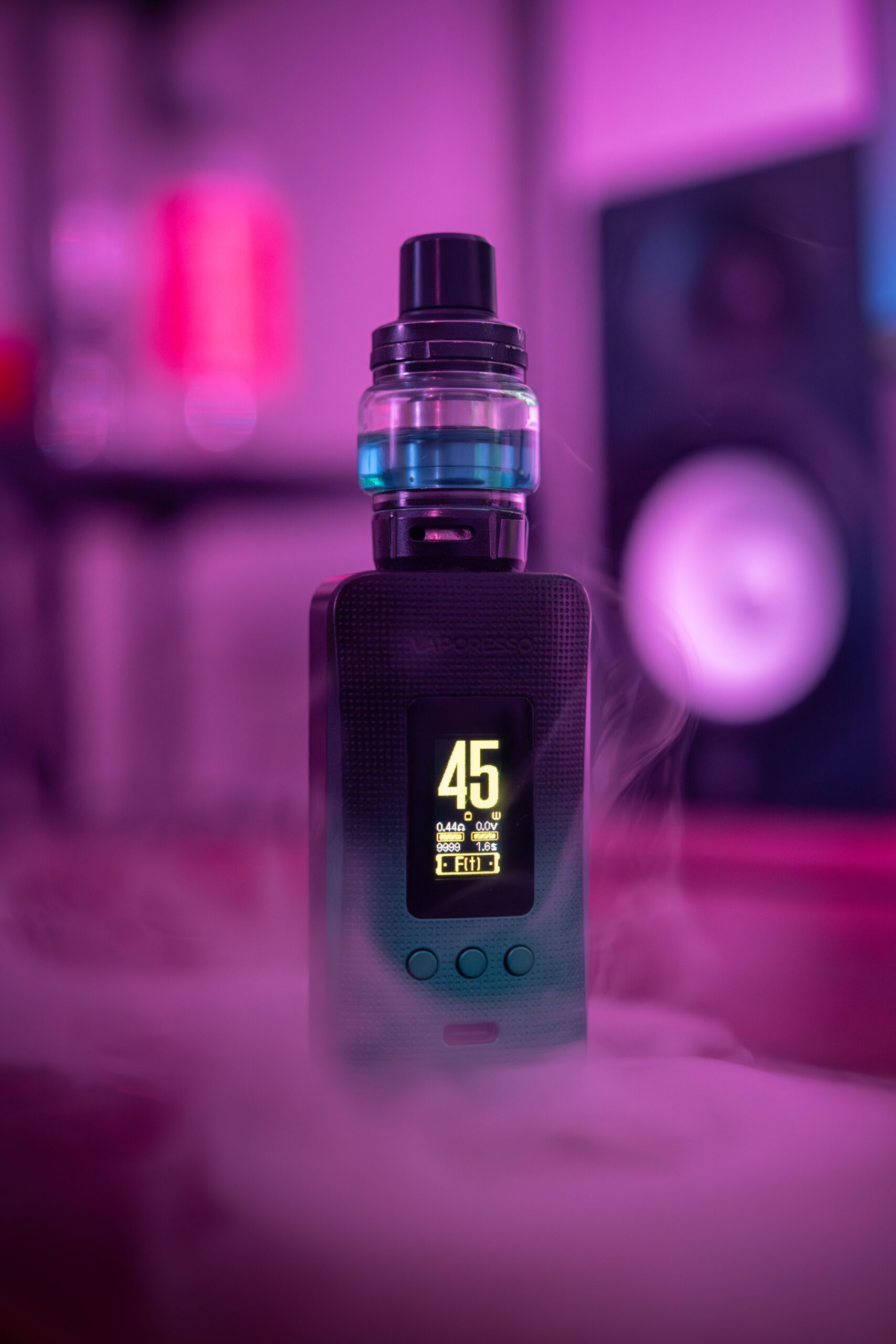
To understand how does vaping weed work, start with the vaporizer itself. A cannabis vape device generally contains a power source, a heating element, a chamber or cartridge containing cannabis material, and a mouthpiece. When the device is activated, the battery supplies energy to the heating element. The heating element then warms the cannabis material or concentrate.
The purpose of the heating process is to create an aerosol containing compounds from the cannabis product. The user draws the aerosol through the mouthpiece and inhales it. CDC educational material describes vaporizers as inhalation devices that use non-combusting heat to release active substances from materials such as dry herbs, wax, and oil.
This is the central answer to how does vaping weed work: the device applies heat to cannabis material or cannabis concentrate, producing an inhalable aerosol rather than relying on the traditional burning process used when cannabis is smoked.
The exact process varies according to the type of vaporizer. Some devices are designed for dry cannabis flower, while others are specifically designed for oils or concentrates. Disposable vape pens and cartridge-based devices generally contain a pre-filled cannabis formulation, while refillable devices may use a replaceable cartridge or chamber.
The temperature is also important. A vaporizer is designed to heat material within a particular range rather than simply setting it on fire. Different compounds may respond differently to heat, so the temperature and heating method can influence which compounds become present in the aerosol.
It is worth remembering that the word “vapor” can sometimes create the impression that the inhaled material is simply harmless water vapor. That is not necessarily the case. Aerosols produced by electronic vaping devices can contain particles and other substances, and cannabis vape products may contain concentrated cannabinoids and other ingredients.
What Happens Inside a Cannabis Vape?
When people ask how does vaping weed work, they often picture a simple battery and cartridge. Internally, however, the process involves several components working together.
The battery provides the electrical energy needed by the heating element. In many modern devices, a sensor detects when someone draws from the mouthpiece, while other devices use a button to activate heating. The heating element warms the cannabis formulation, which can then produce an aerosol that moves through the device and into the user’s mouth.
The cartridge or chamber is the part that holds the cannabis material. Depending on the product, this could contain cannabis oil, concentrate, or dried flower. Oil cartridges are commonly designed specifically for cannabis extracts, while dry-herb vaporizers are built around loose plant material.
The mouthpiece provides the pathway through which the aerosol is inhaled. As the user draws, air moves through the device and carries the generated aerosol toward the mouthpiece.
This explains how does vaping weed work at a basic mechanical level. Battery power creates heat, heat interacts with the cannabis product, and the resulting aerosol travels through the device for inhalation.
The formulation itself also matters. Cannabis oils and concentrates can have much higher THC concentrations than traditional cannabis flower. CDC information warns that concentrated THC products may produce stronger intoxicating effects and that the consequences of exposure to high THC concentrations are still being studied.
How Does Vaping Weed Work Without Traditional Combustion?
One of the main differences between smoking and vaping is combustion. Smoking involves burning cannabis, which produces smoke containing many different substances created during the burning process. Vaping is designed around heating rather than directly burning the material.
So, how does vaping weed work without the same type of combustion? A vaporizer attempts to heat the cannabis material to release compounds into an aerosol without igniting the material in the same way that a flame does.
This does not mean that vaping is completely harmless or that every vape product produces the same aerosol. Device temperatures, ingredients, contaminants, heating components, and product quality can all affect what a person inhales.
The distinction is therefore best understood as a difference in mechanism rather than a guarantee of safety. CDC guidance states that there are health and safety risks associated with different methods of cannabis use and that current evidence is not sufficient to say that one method is universally safer than another.
Cannabis Flower Vaping vs Cannabis Oil Vaping
Another important part of understanding how does vaping weed work is recognizing that not all cannabis vapes contain the same type of material.
Dry-herb vaporizers are designed to heat cannabis flower. Instead of placing the flower directly into a flame, the device uses controlled heating to release compounds into an inhalable aerosol.
Oil and concentrate vaporizers work differently. These products use cannabis extracts that have been processed into oils or concentrates. Many cartridges are pre-filled with cannabis oil and designed to connect to a compatible battery.
The concentration of THC can differ significantly between flower and concentrates. Because concentrates may contain substantially higher levels of THC, the intoxicating effects can be stronger and the potential for overconsumption can increase. CDC information specifically notes that some vaping and dabbing products contain highly concentrated forms of THC.
Therefore, when asking how does vaping weed work, it is useful to identify what type of cannabis product is being vaporized. The device may look similar from the outside, but the material inside can be very different.
What Is THC and Why Does It Matter?
THC, or tetrahydrocannabinol, is one of the primary cannabinoids found in cannabis. It is responsible for much of the plant’s intoxicating or mind-altering effect.
Understanding THC helps explain how does vaping weed work from a biological perspective. When cannabis aerosol containing THC is inhaled, the compound can enter the body through the lungs. Because inhalation provides a direct route into the bloodstream, effects can occur relatively quickly compared with some other methods of consuming cannabis.
The amount of THC in a product matters. A product containing a higher concentration of THC can deliver a larger amount of the compound in a relatively small quantity of material. This is particularly relevant with cannabis concentrates.
The CDC states that THC can affect memory, attention, decision-making, and risk-taking. It also notes that the effects of cannabis can vary depending on THC concentration, frequency of use, previous experience, biological factors, and whether other substances are used at the same time.
Because individual responses vary, the fact that a product is labeled with a particular THC percentage does not guarantee that every person will experience the same effects.
How Does Vaping Weed Work in the Body?
The next part of the question, how does vaping weed work, concerns what happens after inhalation.
When a person inhales cannabis aerosol, the lungs provide a large surface area through which compounds can enter the bloodstream. THC can then reach the brain and other parts of the body, producing its characteristic psychoactive effects.
The experience can depend on several factors. The concentration of THC in the product is important, as is the individual’s previous experience with cannabis. Frequency of use and the use of cannabis together with alcohol or other drugs can also influence risk and effects.
The CDC explains that cannabis effects vary based on the concentration of THC, frequency of use, mode of administration, previous experience, biology, and other factors.
This is why two people using apparently similar cannabis products may report different experiences. The same product can feel different depending on individual tolerance, product strength, and other circumstances.
Vaping also means that a person is inhaling an aerosol rather than simply consuming cannabis through the digestive system. This creates a different pattern of absorption from edible products, which typically take longer to produce effects.
How Does Vaping Weed Work Compared With Smoking?
Vaping and smoking are both inhalation-based methods, but their mechanisms are different.
Smoking cannabis involves combustion. The plant material is burned, producing smoke that contains numerous chemical compounds. CDC information notes that cannabis smoke contains many of the same toxins, irritants, and carcinogens found in tobacco smoke.
Vaping instead uses a heating system designed to aerosolize cannabis material or extract. This means there is no need to directly burn the cannabis product in the same way.
However, how does vaping weed work should not be confused with “vaping is completely safe.” Cannabis vaping has its own potential risks, particularly because some products use concentrated extracts and may contain additives or contaminants.
A major example occurred during the 2019 outbreak of vaping-associated lung injuries in the United States. CDC investigations linked most cases to THC-containing vaping products that also contained vitamin E acetate.
This history demonstrates why product composition and manufacturing quality are important considerations when discussing cannabis vaping.
Types of Cannabis Vape Devices
There are several general categories of cannabis vaporizing devices. Portable vape pens are compact devices designed for convenient use with cartridges or other cannabis formulations. Their small size makes them easy to carry, and many are designed around simple activation systems.
Disposable cannabis vapes are typically pre-filled and designed for limited use. Once the product is depleted, the entire device is generally discarded according to local disposal requirements.
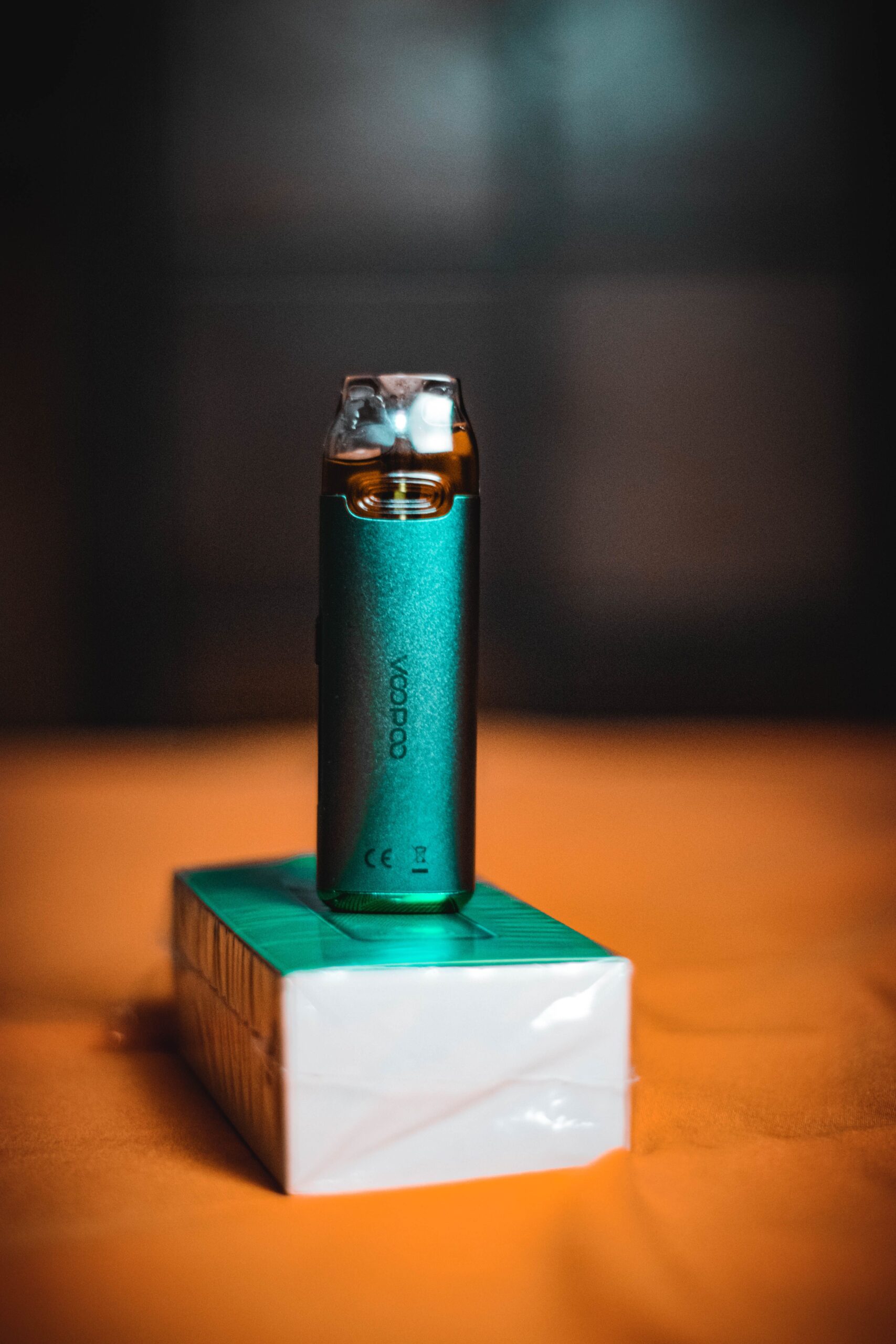
Cartridge-based vape systems use a separate battery and replaceable cartridge. The cartridge contains the cannabis formulation, while the battery powers the heating element.
Dry-herb vaporizers are designed for cannabis flower rather than liquid oil. These devices generally contain a chamber where the flower is heated.
Larger portable or desktop vaporizers may offer more control over temperature and heating. The specific design differs between manufacturers, so users should follow the instructions supplied with a legally sold product rather than assuming that all devices work identically.
Why Temperature Matters in Vaping
Temperature is an important part of how does vaping weed work because heat influences which compounds are released from cannabis material.
A vaporizer uses heat rather than an open flame, but the exact temperature can vary between devices. Some vaporizers offer adjustable temperature settings, while others operate at predetermined temperatures.
Cannabis contains cannabinoids and aromatic compounds known as terpenes. Different compounds have different physical properties, which means heating conditions can influence the composition of the resulting aerosol.
However, temperature control does not eliminate potential health risks. A device operating at a particular temperature should not automatically be considered safe, and heating a product can potentially produce substances that were not present in the original formulation.
For that reason, temperature should be understood as one part of the vaporization process rather than a simple safety switch.
What Are Cannabis Vape Cartridges?
Cannabis vape cartridges are small containers filled with cannabis oil or another cannabis formulation designed for vaporization. They are often connected to a compatible battery.
A cartridge may contain cannabinoids such as THC or CBD along with terpenes and other ingredients. The exact formulation depends on the manufacturer and product.
When the battery activates the heating element, the oil is heated and transformed into an inhalable aerosol. This is another practical example of how does vaping weed work.
Product labeling is particularly important with cartridges because consumers may need to know the cannabinoid concentration, ingredients, manufacturer information, and applicable testing information.
A legitimate regulated market may have specific requirements for labeling and testing, but those requirements differ by jurisdiction. Consumers should check their local regulations and purchase only products that are legally permitted in their location.
How Does Vaping Weed Work With CBD?
CBD, or cannabidiol, is another cannabinoid found in cannabis. Unlike THC, CBD by itself is not considered intoxicating in the same way as THC.
Some cannabis vape products contain CBD rather than THC, while others contain combinations of cannabinoids.
When discussing how does vaping weed work, it is important not to assume that every cannabis vape produces the same type of effect. A THC-dominant product and a CBD-dominant product can have very different properties.
The CDC explains that CBD by itself is not impairing, while THC is impairing or mind-altering.
Even so, consumers should pay attention to labeling because products marketed as hemp or CBD can sometimes contain cannabinoids that consumers do not expect. Regulations and product standards also vary by location.
Is Vaping Cannabis Safe?
One of the most important questions surrounding how does vaping weed work is whether the process is safe.
There is no simple answer that makes cannabis vaping risk-free. Cannabis itself can have health effects, and vaping introduces additional considerations involving inhalation, device components, concentrates, additives, and contaminants.
The CDC states that health and safety risks exist with different forms of cannabis use and that there is not enough evidence to determine that one method is universally safer than another.
Vaping can also involve highly concentrated THC products. Higher THC concentrations can increase intoxicating effects and may increase the possibility of consuming more THC than intended.
Another concern is product contamination. Cannabis oils and concentrates can contain additives or other substances that may be harmful when inhaled. The 2019 EVALI outbreak demonstrated the seriousness of certain contaminated THC vaping products.
Therefore, understanding how does vaping weed work should always include understanding its potential risks.
Potential Risks of Cannabis Vaping
Cannabis vaping may involve several categories of risk. One concern is inhaling aerosol into the lungs. Another is the high concentration of THC found in some cannabis oils and concentrates.
THC can impair attention, memory, decision-making, and reaction-related abilities. This is especially important when someone is considering driving or operating machinery after cannabis use.
Frequent cannabis use can also be associated with cannabis use disorder. The CDC reports that some people who use cannabis develop difficulty controlling their use despite negative consequences. It also notes that risk can be greater among people who begin using cannabis during adolescence or use it more frequently.
Another concern involves accidental exposure. Cannabis products containing THC should be stored securely away from children and pets.
The risks may also increase when cannabis is combined with alcohol or other drugs. The CDC identifies combined substance use as one factor that can increase the risk of harm.
Why Product Quality Matters
Product quality is a major consideration when discussing how does vaping weed work because the device only tells part of the story. What is inside the cartridge or chamber is equally important.
Poorly manufactured products may contain unwanted substances, contaminants, or ingredients that were not expected by the consumer. This is particularly concerning for inhaled products because the lungs are directly exposed to the resulting aerosol.
Products from regulated cannabis markets may be subject to testing and labeling requirements, although standards vary by jurisdiction. Consumers should verify local laws and look for transparent information about the product’s ingredients and testing where applicable.
A product’s appearance alone is not proof of quality. Attractive packaging, high THC numbers, or claims about purity do not automatically demonstrate that a product has been independently verified.
Understanding Cannabis Vape Labels
Reading labels can help consumers understand what a cannabis product contains.
A label may identify THC concentration, CBD concentration, serving information, total product amount, ingredients, batch information, and testing details. The exact information required depends on the jurisdiction.
THC percentage is particularly important because a high concentration means the product may deliver substantially more THC than a lower-concentration product.
When researching how does vaping weed work, it is useful to understand that the number printed on a package does not necessarily predict the exact subjective experience. Individual sensitivity and tolerance can vary considerably.
Consumers should also pay attention to whether the product is designed for inhalation. Products intended for eating or topical use should not automatically be placed in a vaporizer.
Vaping and Cannabis Tolerance
Tolerance refers to changes in response that can occur with repeated exposure to a substance. With frequent cannabis use, some people may notice that they need more cannabis to experience effects similar to those they previously experienced.
This is another reason how does vaping weed work should not be considered only a mechanical question. The biological response to THC matters as much as the technology.
High-potency cannabis concentrates can deliver large amounts of THC in relatively small quantities. The CDC notes that vaping concentrates may deliver very high levels of THC and that researchers are still learning about the consequences of exposure to high concentrations.
People who notice that cannabis use is becoming difficult to control, interfering with daily responsibilities, or continuing despite negative consequences may benefit from speaking with a qualified healthcare professional.
Cannabis Vaping and Young People
Cannabis vaping is particularly concerning for young people because the developing brain can be affected by cannabis exposure.
The CDC states that cannabis use during adolescence and young adulthood can affect brain development and that the risk of cannabis use disorder is greater among people who begin using cannabis during youth or adolescence.
For this reason, cannabis vape products should not be treated as ordinary consumer electronics or harmless flavored products.
Parents, educators, and young people should understand that a small vape device can contain concentrated cannabis extracts and may deliver significant amounts of THC.
Cannabis Vaping and Pregnancy
Cannabis use during pregnancy is another area where caution is particularly important.
The CDC states that cannabis use during pregnancy or breastfeeding may harm the baby.
Because vaping involves inhalation and can deliver THC or other cannabinoids, pregnancy is not a situation where cannabis vaping should be treated as a risk-free alternative.
Anyone who is pregnant, planning pregnancy, or breastfeeding should discuss cannabis exposure with a qualified healthcare professional for individualized advice.
Can Cannabis Vape Products Be Contaminated?
Yes. Contamination is one of the important reasons product source and manufacturing standards matter.
Cannabis oils and concentrates can potentially contain additives or other substances. During the 2019 outbreak of vaping-associated lung injuries, vitamin E acetate was strongly associated with many cases involving THC-containing vaping products.
This does not mean that every cannabis vape product contains harmful contaminants. Instead, it demonstrates why consumers should not assume that every cartridge is identical or equally manufactured.
Understanding how does vaping weed work therefore involves looking beyond the battery and heating coil and considering the complete product supply chain.
Cannabis Vape Batteries and Device Safety
The battery is another important component of a vape device. Although battery-related incidents are not unique to cannabis products, electronic vaping devices can involve battery hazards.
The CDC notes that defective e-cigarette batteries have caused fires and explosions, with many incidents occurring while batteries were charging.
Consumers should therefore follow the manufacturer’s instructions for charging and storage. A damaged device, unusual heat, swelling, leaking, or other signs of battery failure should not be ignored.
The exact safety instructions vary by device, so users should consult the manufacturer’s documentation rather than relying on generic assumptions about battery behavior.
How Does Vaping Weed Work Legally?
The legal status of cannabis vaping varies significantly depending on the country, state, province, territory, or local jurisdiction.
A product may be legal for adults in one location and prohibited in another. Rules can also differ between medical cannabis and adult-use cannabis.
Therefore, anyone researching how does vaping weed work should also research the laws that apply where they live. Legal availability does not automatically mean a product is medically safe, and a product being sold online does not necessarily mean that it is legal to purchase or possess.
Travel is another important consideration because cannabis laws can change across borders. A product that is lawful in one jurisdiction may create legal problems elsewhere.
How Does Vaping Weed Work With Different Cannabis Compounds?
Cannabis contains many cannabinoids and aromatic compounds. THC and CBD are among the most recognized, but cannabis contains numerous other compounds.
When a cannabis product is heated, the resulting aerosol can contain compounds released from the formulation. The exact composition depends on the product, heating conditions, device design, and other factors.
This helps explain why how does vaping weed work is not simply a matter of “heating cannabis.” The chemistry of the product and the technology of the device both influence what is inhaled.
THCA is another compound worth understanding. The CDC explains that THCA is not psychoactive in its original form but can convert into THC when exposed to heat, including through smoking, vaping, or dabbing.
This conversion is one reason heat plays such an important role in cannabis vaporization.
Common Misconceptions About Cannabis Vaping
One common misconception is that vaping cannabis is simply harmless steam. It is not. The aerosol created by a vape device is not necessarily just water vapor, and cannabis vape products can contain cannabinoids, additives, and other substances.
Another misconception is that a higher THC percentage automatically means a better product. THC concentration is only one characteristic of a cannabis product and does not provide a complete picture of quality or suitability.
Some people also assume that vaping eliminates every risk associated with smoking. That conclusion is not supported by current evidence. The CDC specifically notes that there are health and safety risks associated with cannabis use regardless of the method and that evidence is insufficient to declare one method universally safer.
A final misconception is that every cannabis vape product works exactly the same way. In reality, devices, formulations, cannabinoid concentrations, heating systems, and manufacturing standards can differ substantially.
Why People Are Interested in Cannabis Vapes
People may be interested in cannabis vapes for a variety of reasons. Portable devices are generally smaller than many traditional smoking setups, and some products are designed to be convenient.
Some consumers are also interested in the absence of traditional cannabis smoke. The vaporizer mechanism is different from combustion, which is one reason the technology has attracted attention.
However, convenience should not be confused with safety. A portable device can still contain concentrated THC and produce an aerosol that is inhaled directly into the lungs.
For anyone researching how does vaping weed work, the most useful approach is to understand both the technology and its limitations.
How Does Vaping Weed Work: The Complete Process
Putting everything together, how does vaping weed work can be explained in several connected stages.
First, the cannabis product is placed inside or supplied through a compatible vaporizer system. The product may be dry flower, oil, or concentrate depending on the device.
Next, the battery supplies power to the heating element. The heating element increases the temperature of the cannabis material or extract.
The heat causes compounds within the cannabis product to become part of an aerosol. The aerosol then travels through the device toward the mouthpiece.
The user inhales the aerosol. Cannabinoids such as THC can then be absorbed through the lungs and enter the bloodstream.
The effects that follow depend on the cannabinoid concentration, the amount consumed, individual biology, previous cannabis exposure, and other factors.
That is the fundamental process behind how does vaping weed work. It is a combination of heating technology, cannabis chemistry, inhalation, and biological absorption.
Important Safety Considerations Before Cannabis Vaping
Anyone considering cannabis use should first understand the applicable laws and the potential risks. Cannabis can impair judgment, attention, memory, and decision-making, so activities requiring full attention should not be performed while impaired.
Products containing concentrated THC deserve particular attention because high concentrations can produce stronger intoxicating effects and may increase the possibility of consuming more THC than intended.
Cannabis should also not be mixed casually with alcohol or other drugs because combined use can increase risks.
Products should be stored securely, particularly in households with children or pets.
People who experience concerning symptoms after using a cannabis vape should seek appropriate medical attention rather than assuming the symptoms will disappear on their own.
FAQs
How does vaping weed work compared with smoking?
The main difference is the heating process. Smoking uses combustion to burn cannabis and produce smoke, while vaping uses a heating element to aerosolize cannabis material or concentrate. However, vaping is not risk-free, and cannabis vape products can contain concentrated THC and potentially harmful additives or contaminants.
Does vaping weed produce smoke?
A cannabis vaporizer is designed to produce an aerosol rather than traditional combustion smoke. However, calling the aerosol harmless water vapor would be inaccurate. Vaping aerosols can contain various particles and substances, while cannabis products can contain cannabinoids and other ingredients.
How quickly does cannabis vaping work?
Because vaping involves inhalation, cannabinoids can enter the bloodstream through the lungs. The timing and intensity of effects can vary depending on THC concentration, amount used, individual biology, previous experience, and other factors.
Is vaping cannabis safer than smoking cannabis?
Current evidence does not support a simple statement that cannabis vaping is universally safer than every other method. The CDC states that different methods of cannabis use carry health and safety risks, and researchers do not have enough evidence to say that one method is safer than another in all circumstances.
What should someone know before using a cannabis vape?
The most important considerations include local legality, THC concentration, product ingredients, manufacturing quality, potential contamination, device safety, and the possibility of impairment. Anyone who uses cannabis should understand that THC can affect attention, memory, decision-making, and risk-taking.
Conclusion: Understanding How Does Vaping Weed Work
Understanding how does vaping weed work starts with a simple concept: a vaporizer uses controlled heat to release compounds from cannabis flower, oil, or concentrate into an inhalable aerosol. The aerosol is then inhaled, allowing cannabinoids such as THC to enter the body through the lungs.
But the complete picture is more complicated than simply heating cannabis. Device design, temperature, product formulation, cannabinoid concentration, additives, contamination, and individual factors can all influence the experience and potential risks.
Cannabis vaping is also not automatically harmless because it does not involve traditional combustion. The CDC has documented health risks associated with cannabis use and has specifically highlighted concerns involving concentrated THC products and contaminated THC vaping products.
Anyone researching how does vaping weed work should therefore look beyond convenience and understand what is actually inside the product, how the device operates, what the local laws require, and what potential health risks exist.
For educational purposes, the most important takeaway is that vaping is a delivery method, not a guarantee of safety. Responsible decisions require accurate information, attention to product labeling and local regulations, and an understanding that cannabis affects different people differently.
Top Cannabis Outlet aims to provide useful cannabis-related information in a clear and accessible format. Readers should use reliable sources and consult qualified professionals for individual health questions, particularly when pregnancy, medications, respiratory symptoms, or other health concerns are involved.