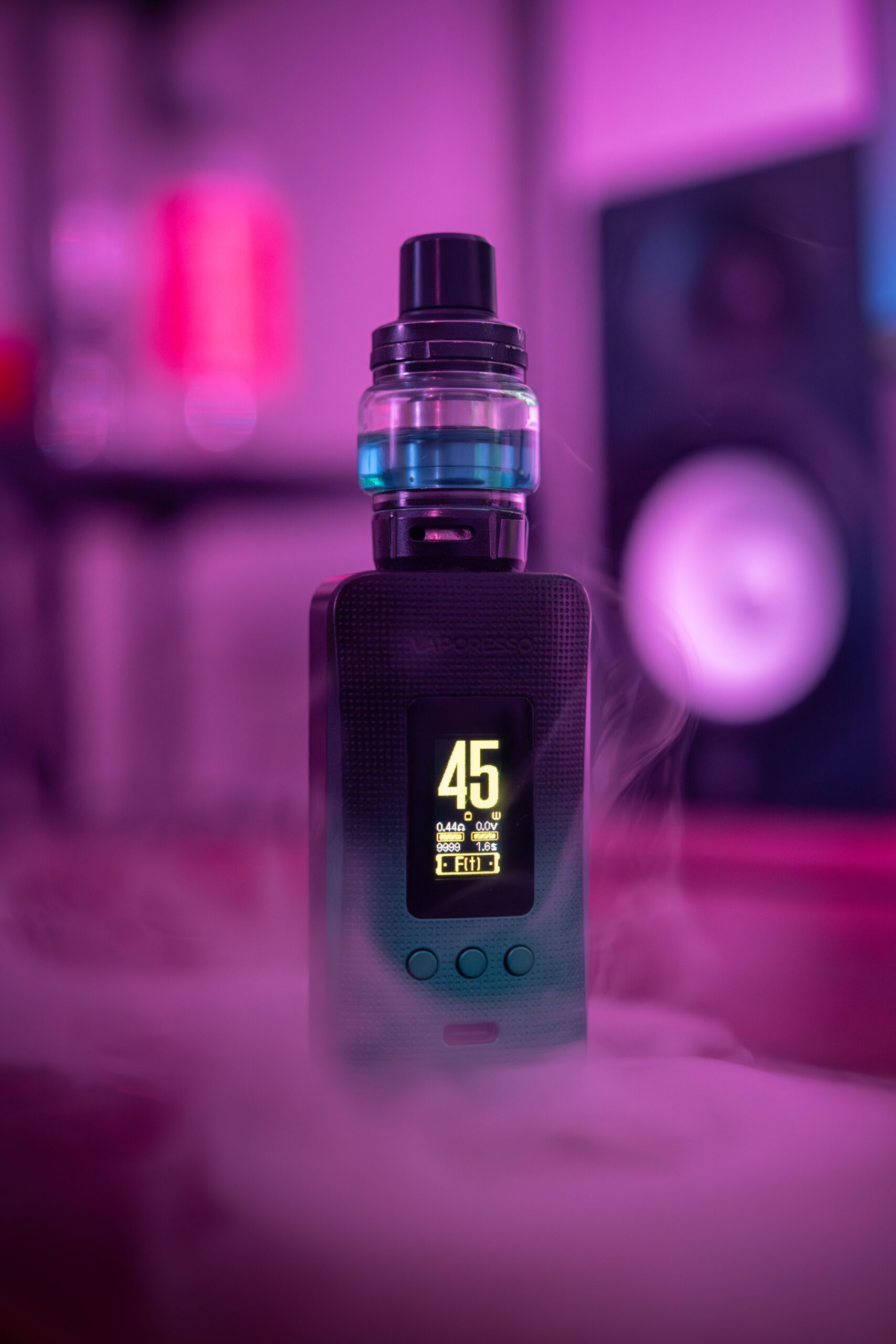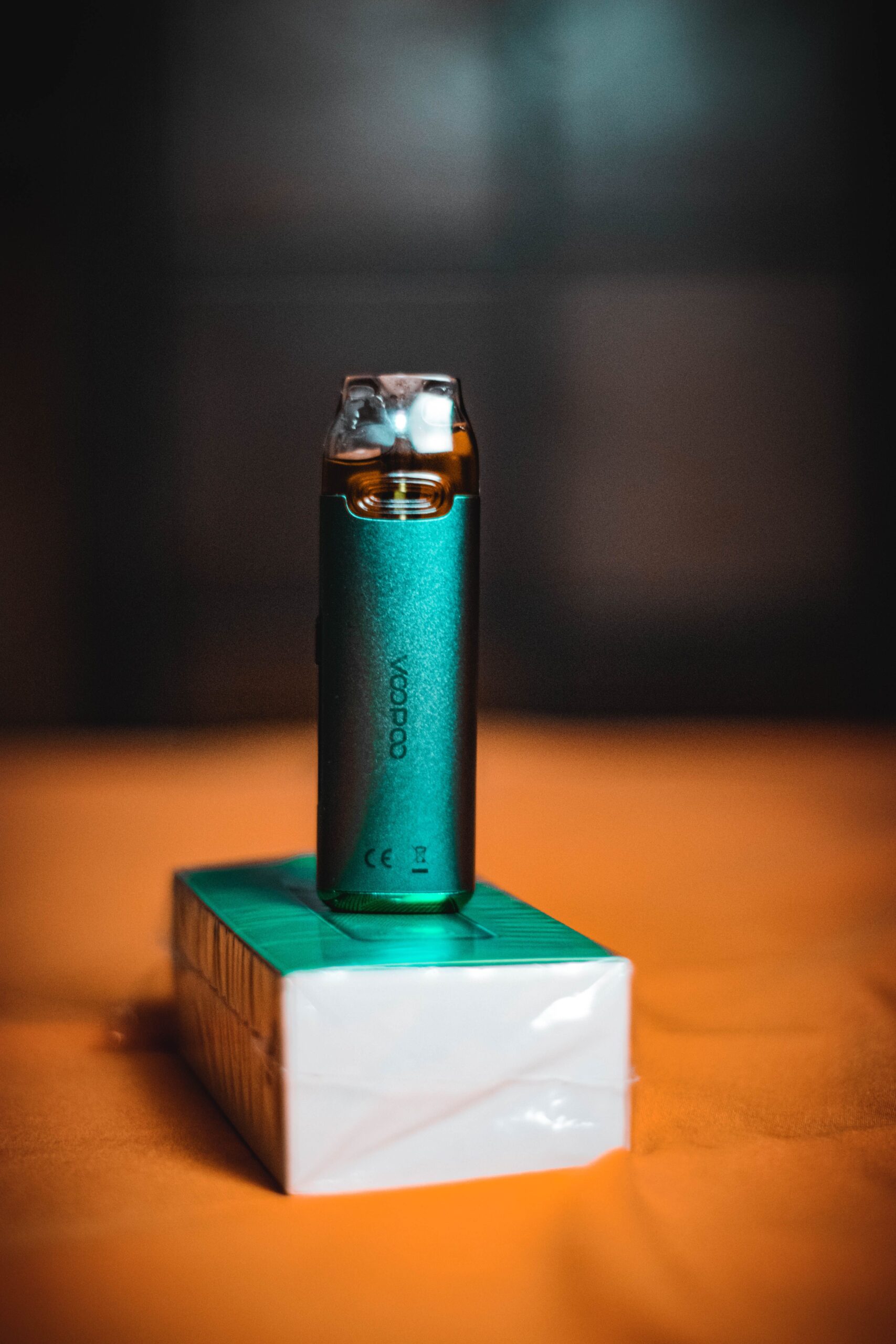
When people first explore cannabis products, the word vape appears almost everywhere. You may see vape pens, vape cartridges, disposable vapes, batteries, carts, pods, and all-in-one devices. Although these terms are often used interchangeably, they do not always describe the same thing. This can make choosing or understanding a cannabis vape product confusing, especially for someone who is unfamiliar with the hardware.
One of the most common questions people ask is what is the difference between a vape and a cart? The short answer is that a vape can refer to the complete vaporizing device, while a cart, short for cartridge, generally refers to the small container that holds cannabis oil and connects to a compatible battery. However, everyday cannabis terminology is not always consistent, so the exact meaning can depend on the product and brand.
A modern vape may be sold as a complete device that contains a battery, heating element, mouthpiece, and cannabis oil. A cart may contain the oil and heating component but require a separate battery. Disposable vape products combine these parts into one device, while rechargeable vape systems may allow the battery to be used with multiple compatible cartridges.
Understanding these differences can make it easier to read product descriptions, compare hardware, and recognize what you are actually purchasing. It can also help prevent compatibility problems, such as buying a cartridge that does not work with the battery you already have.
This guide explains what a vape is, what a cart is, how they work, how disposable and rechargeable formats differ, and why terminology can sometimes be confusing. It also covers important safety considerations without making unsupported claims about cannabis or vaping.
What Is a Vape?
A vape is a device designed to heat a substance and produce an aerosol that can be inhaled. In the cannabis market, a vape may be designed to vaporize cannabis oil or another cannabis concentrate. Depending on the product, the vape may be disposable, rechargeable, refillable, or designed to work with replaceable cartridges.
The basic idea behind a vape is relatively simple. The device uses a power source, usually a battery, to provide energy to a heating element. That heating element warms the material inside the device, producing an aerosol that the user inhales through a mouthpiece.
The word vape is therefore a broad term. It can describe an entire device rather than one specific component. For example, when someone says they purchased a cannabis vape, they could mean a disposable all-in-one device or a battery-and-cartridge system.
This broad terminology is one reason people frequently search for what is the difference between a vape and a cart. In many cases, the distinction is between the complete vaping system and the cartridge component.
A vape can also have different hardware designs. Some devices have buttons, while others activate automatically when the user inhales. Some rechargeable models provide adjustable settings, while many disposable devices are designed with a fixed configuration.
Because product designs vary considerably, it is always useful to read the product description carefully rather than relying only on the word vape.
What Is a Vape Cart?
A vape cart, or vape cartridge, is generally a small container designed to hold cannabis oil or concentrate for use with a compatible vape battery. The term “cart” is simply a shortened form of “cartridge.”
A typical cart contains a reservoir, a heating element, an airflow pathway, and a mouthpiece. The cartridge is connected to a compatible battery, which provides the electricity needed to heat the material inside.
Many cartridges use a 510-thread connection, although not every cartridge uses the same connection system. Proprietary pods and other designs may only work with a specific device. Therefore, compatibility should always be confirmed before purchasing or connecting a cartridge.
A cart by itself may not function as a complete vape. It usually needs a compatible power source. This is one of the clearest answers to what is the difference between a vape and a cart.
Think of the battery as the power source and the cart as the component that contains the material being vaporized. Together, they form a vaping system.
The exact contents of a cart can vary. Some products contain THC-rich cannabis extracts, while others may contain CBD or other cannabinoid formulations. Ingredients, concentration, extraction methods, and hardware can vary between products and jurisdictions.
What Is the Difference Between a Vape and a Cart?
The answer to what is the difference between a vape and a cart depends partly on how the word “vape” is being used.
In technical terms, a vape can refer to the complete vaporizing device, including the battery and heating system. A cart is usually the cartridge that contains the oil and attaches to the battery.
A disposable vape combines the battery, heating system, oil chamber, and mouthpiece into one unit. In this case, the entire product is commonly called a vape.
A cartridge system separates the components. The cart holds the oil and heating element, while the battery provides power. The battery can often be reused with compatible cartridges.
This means that a cart is usually part of a vape system, while a complete vape can contain the cart and battery in a single unit.
The terminology can become confusing because retailers and consumers sometimes use “vape,” “vape pen,” “cart,” and “vape cartridge” casually. A product advertised as a vape pen might be a disposable device, a reusable battery with a cartridge, or another type of vaporizer.
For this reason, the most reliable way to understand a product is to check whether the battery and cartridge are integrated or sold separately.
How Does a Vape Work?
A typical vape works through a combination of battery power, a heating element, airflow, and a material that can be vaporized.
When the device is activated, the battery sends power to the heating element. The heating element warms the oil or concentrate, creating an aerosol. The aerosol travels through the airflow pathway and exits through the mouthpiece.
Different vape designs use different activation systems. Button-activated devices require the user to press a button, while draw-activated devices respond when the user inhales. Some advanced devices may provide additional controls, but simple disposable products usually have fewer adjustable features.
The design of the heating system can affect the user experience. Factors such as airflow, battery output, heating element construction, and oil formulation can influence how a vape performs.
However, the exact experience is not determined by hardware alone. The composition and concentration of the material inside the device also matter.
It is important not to assume that every vape produces the same type or amount of aerosol. Products can differ significantly in formulation, hardware, and intended use.
How Does a Vape Cart Work?
A vape cart works as part of a larger vaping system. The cartridge contains the material being vaporized and connects to a compatible battery.
When the battery activates, electrical energy reaches the heating element inside the cartridge. The heating element warms the oil, producing an aerosol that passes through the cartridge’s internal pathway and exits through the mouthpiece.
The battery and cart therefore have separate functions. The battery supplies energy, while the cart stores and vaporizes the material.
This design is convenient because a reusable battery can potentially work with multiple compatible cartridges. Instead of replacing the entire device each time, the user can replace the cartridge while keeping the battery.
However, compatibility is important. A cartridge designed for one connection system may not work with another. Some products use standard connections, while others use proprietary designs.
Before using a cart, it is therefore important to check the manufacturer’s specifications and make sure the cartridge is intended for the battery being used.
Disposable Vape vs. Vape Cart
A disposable vape and a vape cart are related but different product formats.
A disposable vape normally combines the battery, oil chamber, heating element, and mouthpiece into one unit. It is generally designed to be used as a complete device rather than separated into individual components.
A vape cart, on the other hand, is usually designed to attach to a separate battery. Once the cartridge is empty, the battery may remain usable with another compatible cartridge.
This difference affects how the products are designed and maintained. A disposable device generally has fewer separate components, while a cartridge system has a reusable power source and replaceable cartridges.
When people ask what is the difference between a vape and a cart, they are sometimes actually comparing a disposable vape with a cartridge. In that situation, the most important difference is whether the battery and cartridge are integrated or separate.
Neither term alone tells you everything about the product. You should check the product specifications, connection type, contents, and manufacturer’s instructions.
Vape Pen vs. Vape Cartridge
A vape pen is usually the device that provides the power needed to vaporize material, while a vape cartridge is the component containing the material.
The phrase “vape pen” can describe several different designs. Some vape pens are designed for cartridges, while others contain their own chamber or oil supply.
A cartridge typically needs a compatible battery. The battery may be shaped like a small pen, making the entire system look like a single product once the cartridge is attached.
This is another reason cannabis terminology can be confusing. A consumer might refer to the complete setup as a vape pen, while technically the cartridge and battery are separate components.
Understanding the terminology is particularly useful when shopping online because product pages may sell batteries and cartridges separately.
If a product description says “cartridge only,” you should not assume that it includes a battery. Likewise, if a product says “all-in-one vape,” it generally indicates that the main components are already integrated.
Rechargeable Vape and Disposable Vape Differences
Rechargeable vapes are designed to be powered again after the battery becomes depleted. Depending on the design, a rechargeable device may work with replaceable cartridges or have a built-in reservoir.
Disposable vapes generally contain a battery and vaping material in one integrated product. The entire device is normally replaced when it is no longer usable.
A rechargeable vape can provide greater hardware flexibility when it is compatible with multiple cartridges. A disposable vape can have a simpler design because the manufacturer controls the battery, heating system, and oil chamber as one unit.
Storage and charging requirements can also differ. Rechargeable devices require access to an appropriate charging method, while disposable products generally do not require the user to recharge them.
The choice between these formats is therefore largely a matter of product design, convenience, compatibility, and personal circumstances rather than simply the word vape on the label.
Why Is Vape Terminology So Confusing?
Cannabis vape terminology has developed through everyday consumer and industry usage, so the same word may describe slightly different products.
For example, “vape” may refer to an entire device, while “cart” specifically refers to a cartridge. “Vape pen” may refer to a battery, a disposable device, or an entire cartridge-based system.
A “pod” can also be different from a traditional cartridge. Some pods use proprietary connections and are designed for a specific battery or device.
The word “disposable” generally indicates that the major components are integrated and the device is intended to be discarded after its usable contents or battery are depleted.
Because terminology is not perfectly standardized across every seller, product specifications are more useful than names alone.
If you are unsure about a product, look for information about whether it includes a battery, what type of cartridge it uses, whether the battery is rechargeable, and what connection system is required.
What Is Inside a Vape?
The internal components of a vape depend on the type of device, but many cannabis vape systems include a battery, heating element, reservoir or cartridge, airflow pathway, and mouthpiece.
In a disposable vape, these components are usually integrated into a single body. In a cartridge-based system, the battery and cartridge are separate.
The battery provides the electrical energy required for heating. The heating element converts that energy into heat. The reservoir stores the vaping material, while the mouthpiece provides the pathway through which the aerosol is inhaled.
Different manufacturers may use different materials and engineering designs. Some products use ceramic heating elements, while others use different coil technologies.
The contents of the cartridge can also vary considerably. Cannabis vape products may contain different extracts, cannabinoids, terpenes, or other ingredients depending on the formulation.
Because of these differences, consumers should pay attention to product labeling and ingredient information rather than assuming that all vape products contain the same formulation.
What Is Inside a Cart?
A cannabis cart commonly consists of a small oil reservoir, heating element, mouthpiece, and connection point.
The reservoir contains the product formulation. The heating element is responsible for warming that material. The connection point attaches the cart to the compatible battery.
Many cartridges are compact and designed for portability. Their small size is one reason carts are commonly associated with vape pens.
The formulation inside a cart can differ from one product to another. Some may contain concentrated THC, while others may contain CBD or different cannabinoid blends.
Product labeling should provide information about the contents and concentration where required by applicable regulations. Because laws and testing requirements differ between jurisdictions, consumers should check the rules applicable to their location.
Vape Oil, Distillate, Live Resin and Other Formulations
Not all vape products contain the same type of cannabis extract. Different extraction and processing methods can result in different formulations.
Distillate is a highly processed cannabis extract that can be formulated to contain high concentrations of particular cannabinoids. Other products may use live resin or other extracts designed to preserve different components of the cannabis plant.
The name of an extract does not automatically tell you how a particular product will affect an individual. Effects can vary depending on cannabinoid concentration, personal factors, product formulation, and frequency of use.
The CDC notes that cannabis oils and concentrates used for vaping can contain highly concentrated THC and may contain additives or contaminants.
That is why consumers should avoid assuming that a higher concentration automatically means a better product or a safer experience.
Does a Vape Contain THC?
A vape can contain THC, CBD, or other formulations depending on the product.
Cannabis vape products designed for THC delivery contain concentrated cannabis material with THC. THC is the psychoactive cannabinoid associated with the intoxicating effects of cannabis.
The amount of THC can vary significantly between products. High-concentration cannabis products can produce stronger intoxicating effects and may increase the risk of consuming more than intended, according to the CDC.
Because of this, product labels and laboratory testing information can be important when available. Consumers should understand what a product contains rather than assuming that every vape has the same cannabinoid profile.
Is Vaping Cannabis the Same as Smoking Cannabis?
Vaping and smoking are not the same process.
Smoking involves combustion, meaning plant material or another substance is burned. Vaping uses a heating system designed to create an aerosol without relying on the same combustion process.
However, the fact that vaping does not involve traditional combustion should not be interpreted as proof that cannabis vaping is harmless.
The CDC states that cannabis has health risks regardless of the method used and that there is not enough evidence to conclude that one method of cannabis use is universally safer than another.
Cannabis vaping products can also contain concentrated THC, additives, or contaminants. These factors make product quality and composition important considerations.
Are Vapes Safe?
The question of whether a vape is safe does not have a simple yes-or-no answer because products differ and vaping cannabis carries potential health risks.
The CDC reports that vaping has been associated with lung injury and that THC-containing vaping products were involved in the 2019 outbreak of EVALI, or e-cigarette or vaping product use-associated lung injury. Testing during that outbreak strongly linked vitamin E acetate with many affected cases.
This does not mean that every vape contains vitamin E acetate or that every vaping product causes the same risk. Instead, it demonstrates why product ingredients and sources matter.
The FDA has also warned consumers about THC-containing vaping products in connection with vaping-related lung injuries.
Consumers should therefore avoid assuming that a vape is risk-free simply because it is marketed as modern, convenient, or smoke-free.
Why Product Quality Matters for Vape Users
Product quality matters because a vape is not simply a battery and a container. The material inside the device, the manufacturing process, the hardware, and the quality controls can all affect what the user inhales.
Cannabis concentrates can be highly concentrated and may contain additives or contaminants. The CDC specifically notes concerns regarding additives and contamination in cannabis oils and concentrates used for vaping.
For consumers, this makes transparent labeling important. Information about ingredients, cannabinoid concentration, batch testing, manufacturing, and applicable regulatory requirements can help people understand what they are purchasing.
Consumers should also be cautious with products from informal or unverified sources. During the EVALI outbreak, THC-containing vaping products from informal sources were strongly associated with reported cases.
How to Read a Vape Product Description
A product description can provide important information about a vape, but only if you know what the terms mean.
Start by checking whether the product is disposable or reusable. If it is a cartridge, determine whether a battery is included. If a battery is required, check the connection type.
Next, review the listed cannabinoid content. Look for THC or CBD information and any available laboratory testing details.
Then examine the ingredients and formulation information. A product description may mention the extract type, flavoring ingredients, terpenes, or other components.
Finally, check the manufacturer’s storage and usage instructions. Following the manufacturer’s directions is important because different devices can have different operating requirements.
These steps can also help answer what is the difference between a vape and a cart when shopping online.
What Does 510 Thread Mean?
510 thread is a common connection standard used by many vape cartridges and batteries.
A 510-thread cartridge can often be connected to a compatible 510-thread battery. However, the presence of a 510 connection does not automatically guarantee that every cartridge will perform identically with every battery.
Different batteries may have different power characteristics, and manufacturers may provide specific compatibility recommendations.
Some cannabis vape systems do not use 510 threads at all. Instead, they may use proprietary connections or pod-style systems.
Therefore, consumers should check compatibility rather than assuming that all vape hardware uses the same connection.
How to Store a Vape or Cart
Proper storage can help protect the hardware and product quality.
Vape cartridges are generally best kept in a suitable environment away from excessive heat, direct sunlight, and conditions that could damage the device or affect the contents.
Extreme temperatures can affect oil viscosity and hardware performance. Physical damage to the cartridge can also lead to leakage or other problems.
Rechargeable vape batteries should be stored according to the manufacturer’s instructions. Users should also use the appropriate charging equipment and avoid modifying the battery or device.
If a vape or cart becomes damaged, leaks, smells unusual, or shows other signs of a problem, it should not be treated as normal operation.
Common Vape Problems
Vape users may occasionally experience issues such as weak vapor production, leakage, clogging, battery problems, or poor airflow.
A clogged cartridge may have restricted airflow, while a depleted battery may fail to activate the heating element. A compatibility issue can also prevent a cartridge from working correctly.
Some problems are related to the device itself, while others may result from storage conditions or the formulation inside the cartridge.
If a product does not work as expected, users should consult the manufacturer’s instructions rather than attempting unsafe modifications.
Avoid dismantling sealed disposable devices or altering batteries. Vape hardware contains electrical components, and improper modifications can create unnecessary risks.
Why Do People Choose Vape Products?
People may choose a vape because the format can be compact and portable. Cartridge-based products can also allow users to replace a cartridge without replacing the battery, depending on the system.
Disposable products can offer a straightforward all-in-one format because the battery and oil chamber are already integrated.
The convenience of vape products is one reason the category has become widely recognized, but convenience should not be confused with safety.
The CDC emphasizes that cannabis use can have health effects regardless of the consumption method, and concentrated THC products can present additional concerns.
Consumers should therefore consider both the product format and the potential risks associated with cannabis use.
Vape vs. Cart: Understanding the Simple Difference
The easiest way to remember the distinction is to think about the components.
A vape can refer to the complete device used to vaporize material. A cart is usually the cartridge that holds the oil and connects to a compatible battery.
A disposable vape contains the main components together. A cartridge-based vape separates the battery from the cartridge.
This simple distinction explains why a cart usually cannot be used by itself. It requires a compatible power source.
At the same time, everyday language can make the terms overlap. Someone may say “I bought a vape” when they actually bought a cart and battery combination.
So, if you are wondering what is the difference between a vape and a cart, remember that the key difference is usually the role each component plays in the vaping system.
What Should You Check Before Buying a Vape?
Before purchasing a vape, it is useful to understand exactly what the product includes.
Check whether it is disposable or rechargeable. Determine whether it contains a built-in battery or requires a separate battery. If it is a cart, verify the connection type and compatibility.
Review the cannabinoid information and available laboratory testing information where applicable. Look at the ingredients and avoid relying solely on marketing language.
You should also consider the legal requirements that apply to cannabis products where you live. Cannabis laws differ significantly between countries, states, and regions.
A product being available online does not necessarily mean it is legal to purchase, possess, or use in every location.
How to Compare Different Vape Products
Comparing vape products is easier when you focus on measurable characteristics instead of marketing claims.
Start with the device format. Is it disposable, rechargeable, cartridge-based, or pod-based?
Next, look at the cannabinoid profile and concentration. Consider the extract type and available ingredient information.
Then compare hardware specifications, including battery design, connection type, charging method, and compatibility.
Finally, consider transparency. A clearly labeled product with accessible product information makes it easier to understand what you are purchasing.
Avoid making decisions solely based on claims such as “strongest,” “purest,” or “safest” unless those claims are supported by reliable evidence and applicable testing.
Responsible Information About Cannabis Vapes
Cannabis vaping should be approached with accurate information rather than assumptions.
THC is psychoactive and can affect attention, memory, decision-making, and other functions. The CDC also notes that concentrated THC products can produce stronger intoxicating effects and may increase the risk of overconsumption.
Cannabis use can also be associated with cannabis use disorder, and highly concentrated products may present additional concerns.
Vaping should not be presented as a guaranteed safe alternative to other forms of cannabis use. The available evidence does not support making broad claims that one consumption method is completely safe.
Consumers should use reliable information, understand product labeling, follow applicable laws, and avoid products with unclear ingredients or questionable sources.
FAQs
What is the difference between a vape and a cart?
The main difference is that a vape can refer to the complete vaporizing device, while a cart usually refers to the cartridge containing cannabis oil or concentrate. A cart normally connects to a compatible battery, whereas a disposable vape combines the battery, cartridge, heating system, and mouthpiece in one device. The terminology can vary between brands, so checking the product description is always important.
Is a cart the same as a vape?
A cart is not necessarily the same thing as a complete vape. A cart is generally one component of a cartridge-based vape system. It contains the material being vaporized and normally requires a compatible battery. When a cartridge and battery are connected, the complete setup may commonly be called a vape or vape pen.
Can a cart work without a battery?
Most traditional cartridge systems require a compatible battery or another suitable power source. The battery supplies the energy needed to activate the heating element inside the cart. Some all-in-one products have the battery already integrated, but a standalone cart generally cannot function as a complete vape by itself.
Are disposable vapes and carts the same?
No. A disposable vape generally combines the battery, heating element, oil chamber, and mouthpiece into one device. A cart is usually a separate cartridge that connects to a battery. Both can be designed for vaporizing cannabis material, but their hardware configuration and replaceability are different.
Are cannabis vapes completely safe?
Cannabis vapes should not be described as completely safe. The CDC reports health and safety risks associated with cannabis use and notes that vaping has been linked to lung injury. Cannabis vape oils and concentrates may also contain highly concentrated THC, additives, or contaminants. Consumers should rely on accurate product information and applicable public-health guidance rather than assuming that vaping is risk-free.
Conclusion
Understanding what is the difference between a vape and a cart becomes much easier once the basic components are clear. A vape can refer to the complete vaporizing device, while a cart generally refers to the cartridge containing cannabis oil or concentrate. A cartridge usually requires a compatible battery, while a disposable vape integrates the battery and cartridge into one product.
The biggest source of confusion is that cannabis terminology is often used casually. A person may call a cartridge a vape, a complete cartridge-and-battery setup a vape pen, or an all-in-one device simply a vape. Because product names are not always consistent, checking the actual specifications is more reliable than relying on the product name alone.
When evaluating a vape, pay attention to the device type, battery configuration, cartridge compatibility, cannabinoid content, ingredients, and available testing information. These details can help you understand what a product actually contains and how its hardware is designed.
It is equally important to avoid unsupported claims about safety. Cannabis products can carry health risks, and the CDC reports that cannabis concentrates used in vaping can contain high concentrations of THC and may contain additives or contaminants. Vaping-related lung injuries have also been documented, particularly in connection with certain THC-containing products during the EVALI outbreak.
Whether you are researching a vape, comparing a cartridge with a disposable device, or simply trying to understand cannabis terminology, accurate information is the best starting point. Knowing the difference between a complete vape and a cart can help you read product descriptions more confidently, understand hardware compatibility, and make sense of the terminology used throughout the cannabis market.
For more cannabis product information and educational content, visit Top Cannabis Outlet and continue learning about different product formats, ingredients, and terminology before making any purchase.