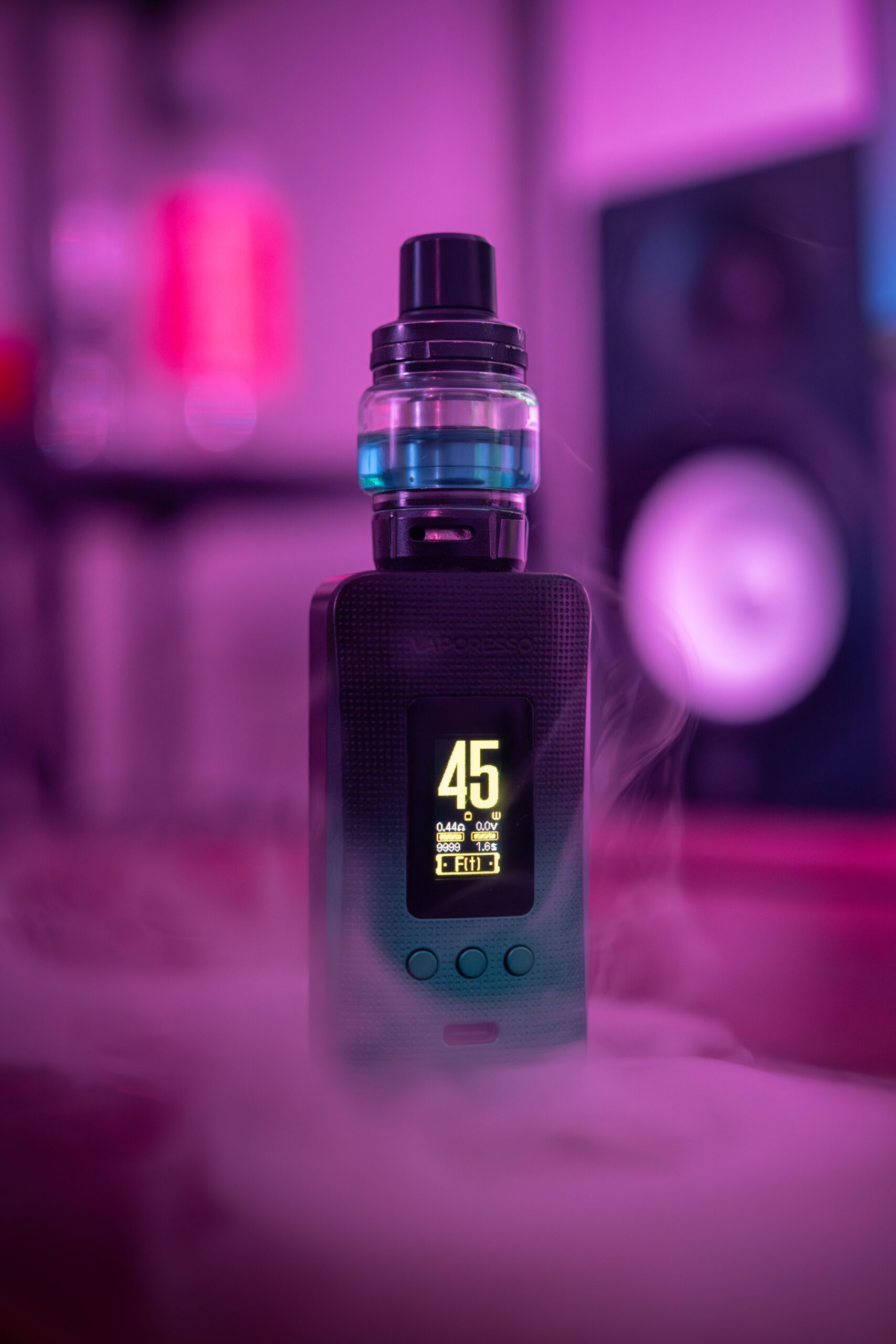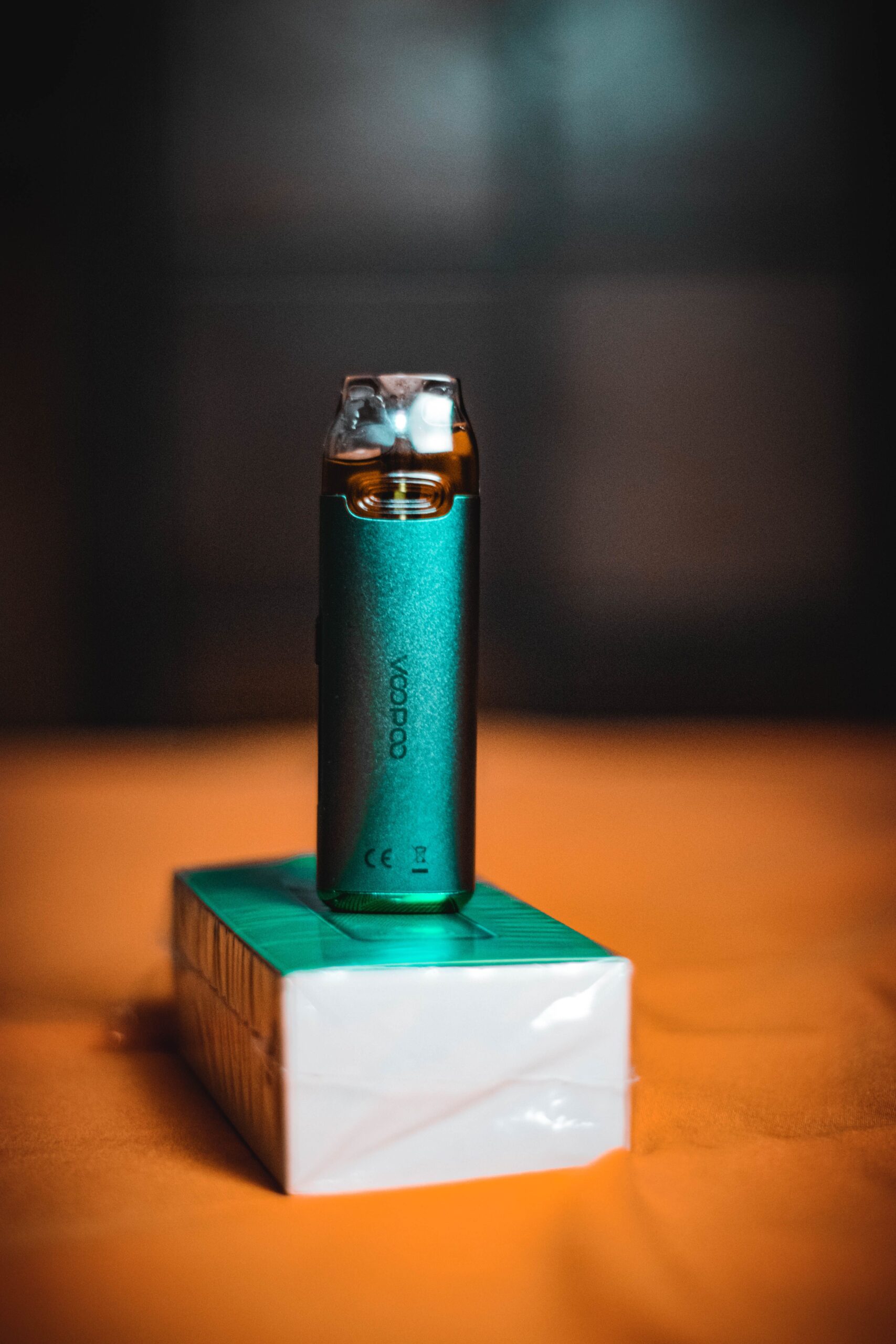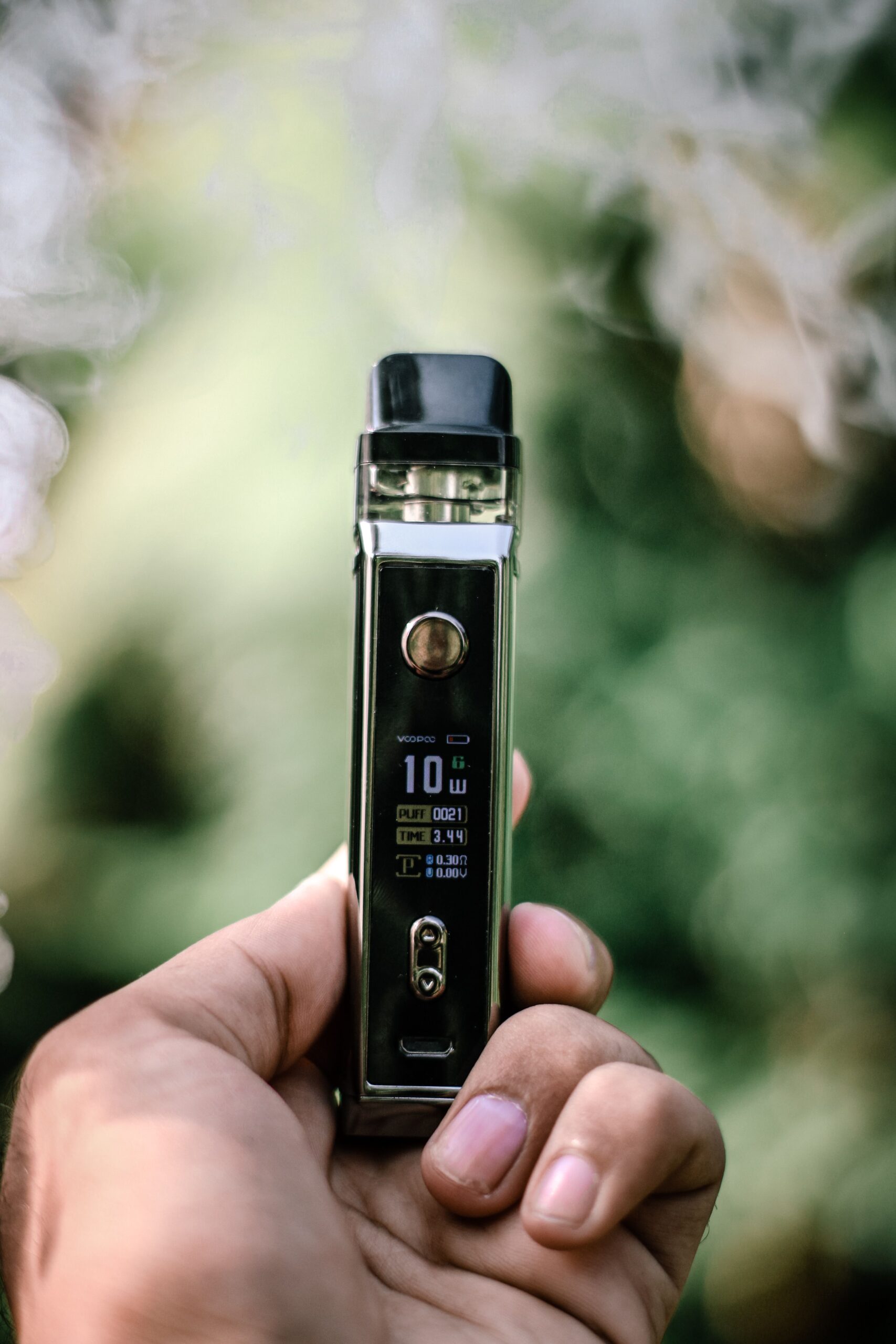
Cannabis consumption has changed considerably over the years, and vaping has become one of the formats many adult consumers encounter when exploring cannabis products. Unlike traditional smoking, cannabis vaping uses a device that heats a compatible cannabis formulation and produces an aerosol rather than relying on combustion. That difference is one reason vape products have become a recognizable part of the modern cannabis market.
If you are researching how to vape pot, however, it is important to look beyond the basic idea of inhaling cannabis through a vape device. Understanding the different types of products, how they are labeled, what ingredients may be present, how product quality can vary, and what health and legal considerations apply can help adults make more informed decisions.
This guide explains the fundamentals of cannabis vaping in straightforward language. It covers cannabis vape cartridges, disposable vapes, batteries, concentrates, product labels, storage, potential risks, and common questions. It does not treat vaping as risk-free, and it does not make medical claims about cannabis.
Before using any cannabis product, check the laws that apply where you live. Cannabis regulations vary considerably between jurisdictions, including rules concerning age, possession, purchasing, and consumption.
What Does It Mean to Vape Pot?
When people search for how to vape pot, they are generally referring to the use of a vaporizer or vape device designed for a cannabis product. Depending on the product, the device may contain cannabis oil, a concentrate, or another formulation intended specifically for vaporization.
A cannabis vape works through controlled heating. Instead of burning plant material in the way traditional smoking does, the device heats its contents and produces an inhalable aerosol. Vape products can therefore look quite different from traditional cannabis products.
Some cannabis vapes are disposable devices. Others use a rechargeable battery with a replaceable cartridge. There are also more specialized vaporizers designed for particular cannabis preparations.
The important point is that not every vape device is compatible with every cannabis product. A product should only be used according to its manufacturer’s specifications and applicable regulations.
The term “pot” is also informal. In a modern cannabis context, people may use it to describe flower, concentrates, cartridges, or other cannabis products. That means understanding the specific product is more useful than relying only on the word “pot.”
Why Do People Search for How to Vape Pot?
Searches for how to vape pot often come from people who are unfamiliar with cannabis vaping and want to understand how the category works. A person may have seen a disposable vape, a cartridge, or a portable vaporizer and want to know what distinguishes these products.
Another reason is convenience. Vape products are often compact and portable, and some are designed to operate without the preparation associated with traditional cannabis flower.
Vaping also gives consumers a different product experience from smoking. However, convenience should not be confused with safety. The CDC states that health and safety risks exist with different methods of cannabis use and that there is not enough evidence to conclude that one method is universally safer than another.
For that reason, anyone researching how to vape pot should consider both the practical characteristics and the potential risks.
Understanding Cannabis Vape Products
Before thinking about how to vape pot, it helps to understand what is actually being purchased.
Cannabis vape products generally fall into several broad categories. These include disposable vape devices, cartridge-and-battery systems, and more specialized vaporizers.
A disposable vape typically contains the oil or formulation and the hardware in one unit. Depending on the product, the device may be draw activated and may not require a separate battery.
A cartridge system normally separates the cartridge from the battery. The cartridge contains the cannabis formulation while the battery supplies power to the heating element.
More advanced vaporizers can be designed around specific cannabis preparations. These devices may have different operating systems and manufacturer requirements.
The packaging should provide important information about the product, such as cannabinoid content, ingredients, batch information, manufacturer information, and testing details where applicable.
Consumers should not assume that two products with similar packaging or similar cannabinoid names are identical.
Cannabis Vape Cartridges Explained
Cannabis cartridges are among the most recognizable products in the vape category. A cartridge generally contains a cannabis formulation and connects to a compatible battery or device.
When researching how to vape pot, beginners may focus heavily on the hardware. However, the contents of the cartridge are equally important.
Cannabis oils and concentrates can contain relatively concentrated amounts of cannabinoids. The CDC notes that oils and concentrates used in vaping and dabbing can contain highly concentrated THC and may contain additives or contaminants.
A cartridge label may identify THC, CBD, other cannabinoids, terpene information, or a combination of these. It may also identify the total quantity and testing information.
Consumers should read the entire label rather than relying only on the strain name or product branding.
Disposable Cannabis Vapes
Disposable cannabis vapes combine the battery, heating system, and cannabis formulation in one product.
Their compact design is one reason disposable products are common in the cannabis marketplace. However, consumers should still pay attention to product information, packaging integrity, manufacturer details, and testing information.
When considering how to vape pot, a disposable device may appear simple because there are fewer separate components. That does not mean that every disposable product is equivalent or that every product is appropriate for every consumer.
A legitimate regulated product should have information that allows consumers to identify what they are purchasing. Packaging should not be treated as proof of quality by itself, though. Where available, independent laboratory testing and regulatory information provide additional context.
Vape Batteries and Hardware
For cartridge-based products, the battery is the component that supplies power to the heating element.
Different batteries and cartridges can have different compatibility requirements. Using a device outside the manufacturer’s intended specifications can create unnecessary safety concerns.
Battery safety is also important because rechargeable lithium-ion batteries can present fire or overheating risks when damaged, improperly handled, or incorrectly charged. The FDA notes that vaping devices can be associated with overheating, fires, and explosions.
If a battery becomes unusually hot, visibly damaged, swollen, or otherwise abnormal, discontinue use and follow the manufacturer’s safety guidance.
A vape device should also be kept away from children and pets.
How to Vape Pot Responsibly
If you are researching how to vape pot, the safest approach to this topic is to think in terms of responsible product use rather than simply maximizing the intensity of an experience.
First, understand the laws in your location. Cannabis laws differ by country, state, and local jurisdiction. Legal availability does not necessarily mean every cannabis product or consumption method is permitted everywhere.
Second, understand the product. Read its label, identify its cannabinoid content, check the manufacturer information, and review available laboratory testing.
Third, use only a product that is specifically intended for the device and follow the manufacturer’s instructions. Do not improvise with oils, additives, homemade mixtures, or incompatible hardware.
Fourth, avoid products from unknown or informal sources. During the U.S. vaping-related lung injury outbreak, CDC and FDA investigations found a strong association between many cases and THC-containing products obtained from informal sources.
Finally, remember that THC can impair memory, attention, decision-making, coordination, and reaction time. The CDC specifically advises against driving after cannabis use.
How to Choose a Cannabis Vape Product
Learning how to vape pot should begin with learning how to evaluate the product itself.
A few important considerations include the cannabinoid profile, ingredients, manufacturer, testing information, packaging, and legal status.
A product containing a very high concentration of THC may produce stronger effects than a lower-concentration product, but concentration alone does not determine the overall experience.
Look for clear labeling rather than vague marketing claims. A reliable product description should identify what cannabinoids are present and provide relevant product information.
Where laboratory testing is available, consumers can review the test information for cannabinoid content and other reported results.
It is also worth checking whether the product is manufactured and sold through the legal cannabis system in the relevant jurisdiction.
Understanding THC in Cannabis Vapes
THC, or tetrahydrocannabinol, is the primary psychoactive cannabinoid associated with the “high” produced by cannabis.
When THC is delivered through inhalation, the effects can be noticeable relatively quickly compared with some other forms of cannabis consumption. However, individual experiences vary.
Factors such as previous cannabis experience, product potency, individual biology, and the type of product can influence how cannabis affects someone.
The CDC notes that cannabis can affect reaction time, decision-making, coordination, and perception.
That is why how to vape pot should never be separated from questions about impairment and personal safety.
Someone who has used a cannabis vape should not drive or operate machinery while impaired.
What About CBD Vapes?
Not every cannabis-derived vape is designed around THC. Some products contain CBD or other cannabinoids.
CBD does not produce the same intoxicating effect as THC, but consumers should still pay attention to product labeling and ingredients.
The presence of CBD on a label should not automatically be interpreted as evidence that a product is risk-free. Inhaled products can contain multiple ingredients, and product quality can vary.
Consumers should also be cautious about products that make exaggerated health claims. Cannabis and cannabinoid products should not automatically be considered treatments for medical conditions simply because marketing materials use words such as “relief,” “wellness,” or “therapeutic.”
Cannabis Vaping and Product Quality
Product quality is an important part of the discussion around how to vape pot.
Cannabis vape formulations may contain cannabinoids, terpenes, carrier ingredients, flavoring compounds, or other substances depending on the product.
The FDA has investigated vaping-related lung injuries and reported finding different substances across tested products. The agency has also emphasized that consumers should not modify vaping products or add substances that were not intended by the manufacturer.
This is particularly important with cannabis oils and cartridges because a substance that is suitable for ingestion or topical use is not necessarily suitable for inhalation.
Consumers should never assume that a familiar ingredient is safe simply because it is commonly used in another type of product.
Why Informal Cannabis Vapes Can Be Risky
One of the most important lessons from research into vaping-related lung injuries is the importance of the product source.
During the 2019 EVALI outbreak in the United States, most patients reported using THC-containing vaping products, and many reported obtaining them from informal sources. Testing also found vitamin E acetate in many THC-containing products connected with cases.
This history does not mean that every regulated cannabis vape will cause illness. It does demonstrate why consumers should take product sourcing seriously.
Counterfeit or improperly manufactured products may not contain what their labels claim. They can also contain unexpected additives or contaminants.
For anyone researching how to vape pot, checking the source of a product is therefore more important than choosing a flashy package or an attractive flavor name.
Signs of a Suspicious Vape Product
A vape product deserves additional caution when important information is missing or difficult to verify.
Warning signs can include unclear manufacturer information, missing batch information, suspicious packaging, inconsistent labeling, unusually vague ingredient information, or claims that seem too good to be true.
Products purchased through informal channels deserve particular caution. FDA guidance specifically warns consumers against THC vaping products obtained from informal sources and advises against modifying or adding substances to vaping products.
If the product cannot be reasonably identified, it may be better not to use it.
Cannabis Vape Storage
Proper storage is an overlooked part of cannabis product safety.
Cannabis vape products should generally be stored according to the manufacturer’s instructions. Keep them away from children and pets and protect them from conditions that could damage the device or packaging.
Extreme temperatures can affect batteries and product components. Physical damage can also create problems.
For rechargeable devices, use the charging equipment recommended by the manufacturer and avoid using visibly damaged batteries.
Storage is particularly important in homes where children or animals may have access to personal belongings.
Cannabis Vaping and Impairment
One of the most important things to understand when learning how to vape pot is that inhaled cannabis can cause impairment.
THC can affect attention, reaction time, coordination, perception, and decision-making. These effects matter even if someone feels comfortable or experienced with cannabis.
Do not drive after using THC. Do not operate machinery or participate in activities where reduced coordination or judgment could create a danger.
The CDC also notes that combining cannabis with alcohol can increase impairment.
Responsible cannabis use therefore includes planning around impairment instead of treating it as an afterthought.
Cannabis Vaping and Lung Health
It is easy to assume that vapor automatically means harmless. Current evidence does not support that assumption.
The CDC states that vaping cannabis has been linked to lung injury and that the health and safety risks of different cannabis consumption methods are not completely understood.
The 2019 EVALI outbreak demonstrated that some vaping products could be associated with severe respiratory illness.
The FDA and CDC identified vitamin E acetate as strongly associated with many cases, particularly those involving THC-containing products, although investigations also recognized that multiple substances or factors could contribute.
This is one reason responsible consumers should pay close attention to product source, ingredients, and manufacturing information.
Symptoms That Should Not Be Ignored
Anyone who experiences concerning symptoms after using a vaping product should take them seriously.
Symptoms associated with vaping-related respiratory illness have included coughing, shortness of breath, chest pain, gastrointestinal symptoms, fever, and fatigue.
These symptoms can have many possible causes, so they should not automatically be attributed to cannabis or vaping. However, breathing difficulty or chest pain after vaping warrants prompt medical attention.
If you become seriously unwell, seek emergency medical care.
It is also useful to tell healthcare professionals what products or substances you recently used. Accurate information can help healthcare providers assess possible causes.
How to Vape Pot Without Making Common Mistakes
People researching how to vape pot often make mistakes because they focus on the device rather than the whole product system.
One common mistake is using a cartridge with an incompatible device. Hardware should be used according to manufacturer instructions.
Another mistake is adding oils or other substances to a cartridge. FDA guidance specifically advises consumers not to modify vaping products or add substances that were not intended by the manufacturer.
Buying from an unknown source is another major concern. A low price is not necessarily a bargain if the product cannot be verified.
Ignoring signs of device damage is also unwise. A damaged battery or leaking product should be handled according to manufacturer safety guidance rather than used casually.
Finally, driving after THC use is a serious safety mistake.
Why You Should Not Modify Cannabis Vape Products
DIY modifications may seem harmless, especially when someone believes they are improving flavor, potency, or performance.
However, vape devices are designed around specific formulations and operating conditions. Adding substances can change how a product behaves when heated.
The FDA specifically recommends that consumers do not add substances such as THC or other oils to vaping products, including products purchased through retail establishments.
This is particularly relevant because substances intended for food, supplements, cosmetics, or topical applications may not have been evaluated for inhalation.
For that reason, how to vape pot should not become a guide to homemade vape formulations.
Vaping Flower Versus Vaping Cannabis Oil
Cannabis vaping is not one single process because different products use different materials.
Some vaporizers are designed for dried cannabis flower, while cartridges and disposable devices generally contain cannabis oil or another prepared formulation.
These categories should not be mixed casually.
A device designed for dry herb is not automatically suitable for oil cartridges. Likewise, a cartridge device should not be filled with material that was not intended for it.
Always follow the specific manufacturer’s instructions for the device and product.
Understanding Cannabis Strain Names
Cannabis vape products are frequently marketed using strain names or categories such as indica, sativa, and hybrid.
These labels can be useful for identifying the product, but they should not be treated as precise guarantees of the effects a person will experience.
Cannabis chemistry can vary considerably between products. Cannabinoid concentration and terpene composition can also differ.
Instead of relying only on a strain name, consumers can look at the actual cannabinoid information and laboratory testing when available.
This provides a more concrete way to understand what is in the product.
Terpenes in Cannabis Vapes
Terpenes are aromatic compounds found in many plants, including cannabis.
They contribute to smell and flavor and are often discussed in cannabis product descriptions.
A vape may contain naturally derived cannabis terpenes or other terpene ingredients depending on its formulation.
However, consumers should avoid assuming that a terpene name automatically predicts a specific medical or psychological effect.
Marketing descriptions can sometimes make stronger claims than the available evidence supports. A responsible product description should distinguish between flavor or aroma characteristics and scientifically established effects.
Choosing Between Disposable and Cartridge Vapes
When comparing cannabis vapes, the disposable-versus-cartridge question is common.
A disposable product combines the main components into one device, which can make the product straightforward from a hardware perspective.
A cartridge system separates the cartridge from the battery. Depending on the product, the battery may be rechargeable and the cartridge replaceable.
Neither format should automatically be described as universally better or safer.
Instead, consumers can consider factors such as legal availability, product testing, manufacturer information, battery safety, packaging, and waste.
The most important consideration remains the quality and legitimacy of the product rather than the marketing format.
Responsible Cannabis Vape Use
Responsible use begins before a device is opened.
Check the local laws and age requirements. Confirm that the product is legally available. Read the label. Review testing information if available. Check the manufacturer. Inspect the packaging.
After that, consider whether you are in an appropriate environment where impairment will not create risks.
Do not drive after THC use. Do not share potentially contaminated or damaged devices. Keep products away from children and pets.
If the product or device appears damaged, leaking, unusually hot, or otherwise abnormal, do not continue using it.
These basic principles are more useful than searching for a single “perfect” method for how to vape pot because cannabis products and devices vary substantially.
Can Cannabis Vaping Cause Dependence?
Cannabis use can lead to cannabis use disorder in some people.
The CDC notes that people who use cannabis can struggle with controlling their use and may develop physical dependence. The agency also notes that highly concentrated THC products are associated with more severe cannabis use disorder symptoms.
This is an important consideration when evaluating high-potency vape products.
A product being legal does not mean it is risk-free. Legal status and health effects are separate questions.
If cannabis use becomes difficult to control or causes significant problems in daily life, speaking with a qualified healthcare professional can provide appropriate support.
Cannabis Vaping and Young People
Cannabis and vaping products require additional caution around young people.
The FDA and CDC advise against vaping product use among youth, and cannabis exposure during adolescence can involve additional concerns because the brain continues developing during those years.
Cannabis products should therefore be kept securely away from children and teenagers.
Adults should also avoid leaving disposable vapes, cartridges, batteries, or cannabis products where children can easily access them.
Cannabis Vaping During Pregnancy
Pregnancy is another situation requiring particular caution.
The CDC states that cannabis use during pregnancy or breastfeeding may harm the baby.
People who are pregnant, planning pregnancy, or breastfeeding should speak with a healthcare professional about cannabis exposure rather than relying on online product descriptions.
A vape label saying “natural,” “herbal,” or “plant-derived” does not establish that inhaling the product is appropriate during pregnancy.
Is Vaping Cannabis Safer Than Smoking?
This is one of the most common questions connected to how to vape pot.
The simple answer is that consumers should not assume vaping is completely safe or universally safer.
Smoking cannabis involves combustion and exposes the lungs to smoke. The CDC states that smoked cannabis can harm lung tissue and contains many of the same toxins, irritants, and carcinogens found in tobacco smoke.
At the same time, cannabis vaping has its own concerns, including the history of vaping-associated lung injury and uncertainty about some formulations and additives. The CDC says there is not enough evidence to determine that one method of cannabis use is universally safer than another.
The appropriate takeaway is not that one method has no risks. Each method has different considerations.
What Should You Look for on a Cannabis Vape Label?
A product label can tell you much more than its brand name.
Look for the product name, cannabinoid information, total quantity, manufacturer details, batch or lot information, ingredients where provided, and laboratory testing information where applicable.
If a product claims to contain a particular cannabinoid concentration, laboratory documentation can provide additional confidence when such testing is available.
Be cautious about labels that make broad medical claims without credible evidence.
Consumers should also verify that the product is legally sold in their jurisdiction.
How to Store a Vape Safely
Safe storage involves both the cannabis product and the hardware.
Keep the device in a secure location away from children and pets. Protect rechargeable batteries from physical damage and use compatible charging equipment.
Avoid leaving devices in conditions that can cause excessive heat.
If a cartridge leaks, stop using it and follow the manufacturer’s instructions for handling the product.
Do not attempt to repair damaged batteries unless the manufacturer specifically provides safe repair instructions.
Battery safety is especially important because electronic vaping devices can present overheating and fire hazards.
What to Do If a Vape Makes You Feel Unwell
If you develop concerning symptoms after using a cannabis vape, stop using the product and seek appropriate medical advice.
Breathing difficulty, chest pain, severe coughing, or other significant symptoms should not be ignored.
The FDA has specifically advised consumers to seek medical attention if they experience symptoms such as cough, shortness of breath, or chest pain after vaping.
If you seek medical care, provide accurate information about the product you used. This can include the product name, cannabinoid type, source, and approximate time of use.
Do not assume that symptoms are simply a normal part of the cannabis experience.
How to Vape Pot: A Practical Safety Checklist
For adults who live in a jurisdiction where cannabis vaping is legal, a useful safety checklist includes several basic principles.
Choose a legally available product from a verifiable source.
Read the complete product label before use.
Check the cannabinoid concentration and available laboratory information.
Use the product only with compatible hardware.
Do not add oils, vitamin E acetate, homemade mixtures, or other substances.
Do not use products from informal or unknown sources.
Do not use visibly damaged devices or batteries.
Keep cannabis products away from children and pets.
Do not drive or operate machinery while impaired.
Stop using a product and seek medical attention if you develop concerning symptoms.
These principles provide a more responsible framework for understanding how to vape pot without treating cannabis vaping as risk-free.
FAQs
Is vaping pot the same as smoking cannabis?
No. Smoking generally involves combustion, while vaping uses a device to heat a compatible cannabis product and create an aerosol. The two methods can differ in product type, device design, and potential risks.
The CDC notes that cannabis smoking can harm lung tissue, while cannabis vaping has also been linked to lung injury.
Can I put any cannabis oil into a vape?
No. Vape devices are designed for particular formulations. Consumers should not add homemade oils, vitamin E acetate, or other substances to vaping products.
The FDA specifically advises consumers not to modify vaping products or add substances that were not intended by the manufacturer.
Are cannabis vapes safe?
No cannabis vape should automatically be considered risk-free. Cannabis products can have health risks, and vaping has been associated with serious lung injuries.
Product source and formulation are also important considerations. CDC and FDA investigations have particularly highlighted risks associated with THC vaping products obtained from informal sources.
Can I drive after vaping THC?
You should not drive while impaired by THC. Cannabis can affect reaction time, coordination, perception, attention, and decision-making.
Plan transportation before consuming a THC-containing product.
What should I do if I experience breathing problems after vaping?
Stop using the product and seek medical attention promptly, particularly if you experience shortness of breath, chest pain, severe coughing, or other concerning symptoms.
The FDA specifically advises consumers to seek medical care when they have health concerns after using vaping products.
Final Thoughts on How to Vape Pot
Understanding how to vape pot involves much more than learning about a vape pen or cartridge. A responsible approach starts with understanding the product, checking the laws where you live, paying attention to labeling and testing, using compatible hardware, and recognizing that cannabis vaping carries potential risks.
Vape products can vary significantly in cannabinoid concentration, ingredients, hardware, and manufacturing quality. A product that looks professional is not automatically a product that has been properly manufactured or tested.
The history of vaping-associated lung injury also shows why product source and ingredients matter. CDC and FDA investigations connected many cases with THC-containing vaping products, particularly products obtained from informal sources, while vitamin E acetate was strongly associated with many affected products.
For adults in jurisdictions where cannabis vaping is legal, informed decision-making means checking the product carefully, avoiding modifications, following manufacturer instructions, storing devices securely, and never driving while impaired.
Most importantly, vaping should not be presented as completely harmless simply because it does not involve traditional smoke. Cannabis use and vaping both have potential health and safety considerations, and research continues to improve our understanding of those risks.
If you are researching how to vape pot, the most useful starting point is not simply learning how a device works. It is learning how to recognize a legitimate product, understand its contents, respect impairment, avoid questionable sources, and recognize when a product or physical reaction may signal a safety problem.
That approach makes cannabis education more practical, balanced, and responsible for adult consumers.