If you have ever wondered, what is a weed vape, you are not alone. Cannabis vaping has become a widely discussed method of consuming cannabis, but many people are still unsure about what a weed vape actually is, how it works, what types are available, and how it differs from traditional cannabis smoking.
A weed vape is a vaporizing device designed to heat cannabis flower, oil, concentrate, or another compatible cannabis formulation to create an inhalable aerosol. Unlike traditional smoking, vaping generally uses a heating element instead of directly burning cannabis with a flame. Depending on the product, a weed vape may be designed for cannabis flower, cannabis oil, or pre-filled cartridges.
Understanding what is a weed vape is important because not every vape device works in exactly the same way. Some are rechargeable, some are disposable, some use cartridges, and others contain a chamber designed for dry cannabis flower. The cannabis formulation inside the device can also vary considerably in potency, ingredients, and consistency.
Cannabis vaping can produce effects quickly because the inhaled aerosol reaches the lungs and the cannabinoids can then enter the bloodstream. However, quick effects do not mean vaping cannabis is risk-free. The Centers for Disease Control and Prevention notes that cannabis products can carry health risks regardless of how they are consumed, and THC can impair memory, attention, decision-making, coordination, and reaction time.
This guide explains what is a weed vape in simple terms and covers the different types of cannabis vapes, how they work, common terminology, potential advantages and risks, responsible-use considerations, storage, device care, and frequently asked questions.
What Is a Weed Vape?
So, what is a weed vape exactly? A weed vape is a vaporizer or vape device made for inhaling compounds from cannabis without using conventional combustion in the same way as a joint, blunt, pipe, or bong.
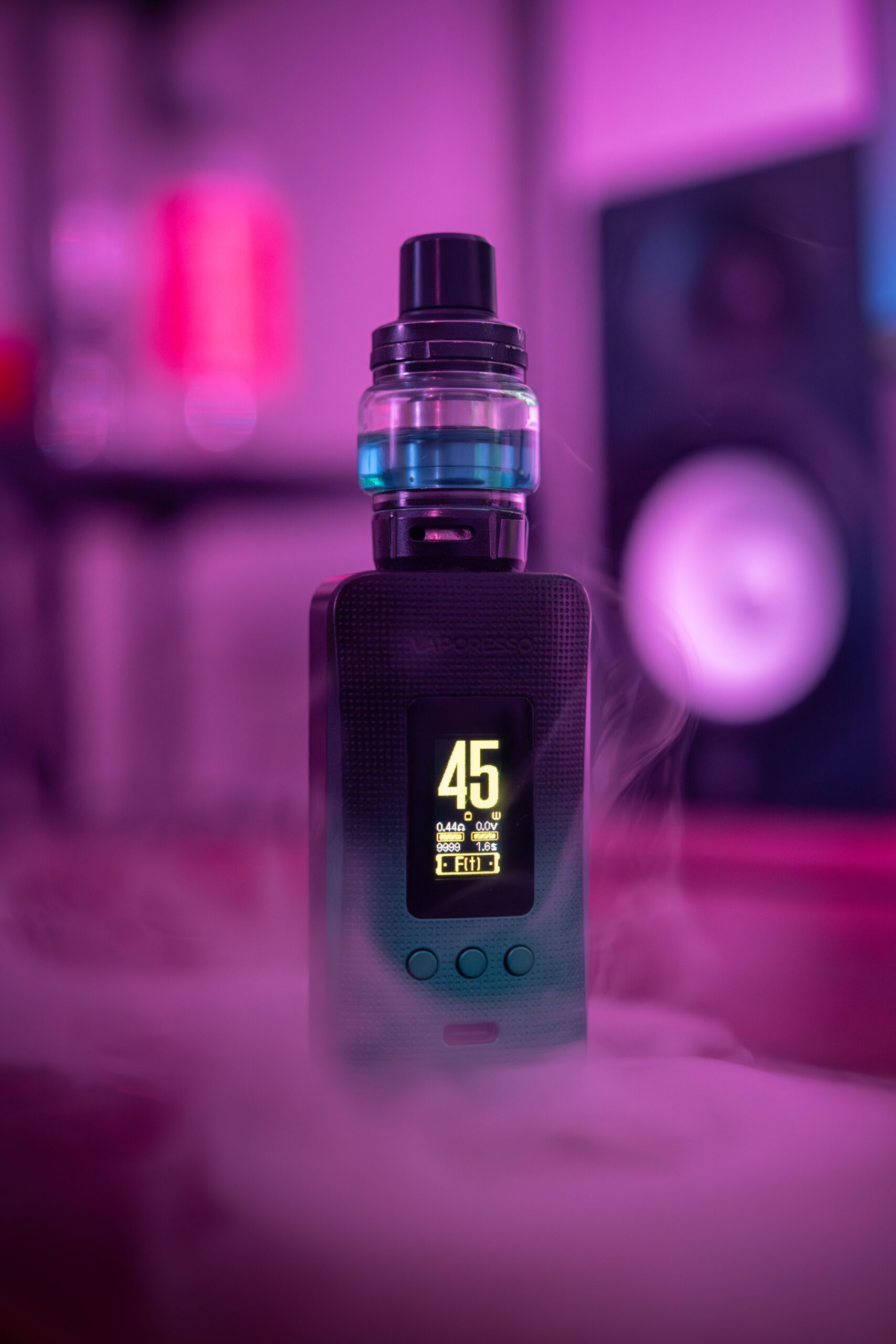
Most cannabis vape systems contain three basic components: a power source, a heating mechanism, and a cannabis-containing material. In a cartridge-based system, the cannabis oil is held in a small reservoir connected to a battery. When activated, the battery powers a heating element that converts the oil into an aerosol that can be inhaled.
Other cannabis vaporizers are designed for dry flower. These devices contain a chamber where cannabis flower is heated. Some larger vaporizers are designed for concentrates or other cannabis extracts.
When people search for what is a weed vape, they may actually be asking about several different products. A disposable vape, a rechargeable cartridge vape, a dry-herb vaporizer, and a concentrate vaporizer can all fall under the broad category of cannabis vaping devices.
The main difference between vaping and smoking is the way heat is applied. Traditional smoking uses combustion, while vaporization is designed to heat the material without intentionally burning it. Cannabis vaporization commonly uses conduction or convection heating systems.
It is also important to understand that the word “vapor” can sometimes be misleading. The CDC explains that aerosols produced by vaping are not simply harmless water vapor. Depending on the product and device, the aerosol may contain substances that can be harmful or potentially harmful.
How Does a Weed Vape Work?
Once you understand what is a weed vape, the next question is usually how the device actually works. The basic process is relatively simple, although different devices use different technologies.
A rechargeable vape battery supplies power to a heating element. When the device is activated, the heating element warms the cannabis material. In an oil cartridge, the heating element interacts with the cannabis oil and produces an inhalable aerosol. In a dry-flower vaporizer, the heating chamber warms the flower directly.
The user then inhales through the mouthpiece. The aerosol travels through the mouth and into the lungs. Cannabinoids such as THC can then enter the bloodstream, which is one reason inhaled cannabis can have relatively rapid effects compared with some other consumption methods.
The exact experience can vary substantially. Factors such as THC concentration, the amount used, previous cannabis experience, individual biology, and whether cannabis is combined with other substances can influence the effects. The CDC specifically notes that the concentration of THC and the method of consumption can affect how cannabis affects a person.
A weed vape does not necessarily contain the same ingredients as another weed vape. Some products contain cannabis oil, while others are designed for flower or concentrates. Because formulations can differ, it is important to read the product label and understand exactly what a device is designed to contain.
What Is a Weed Vape Cartridge?
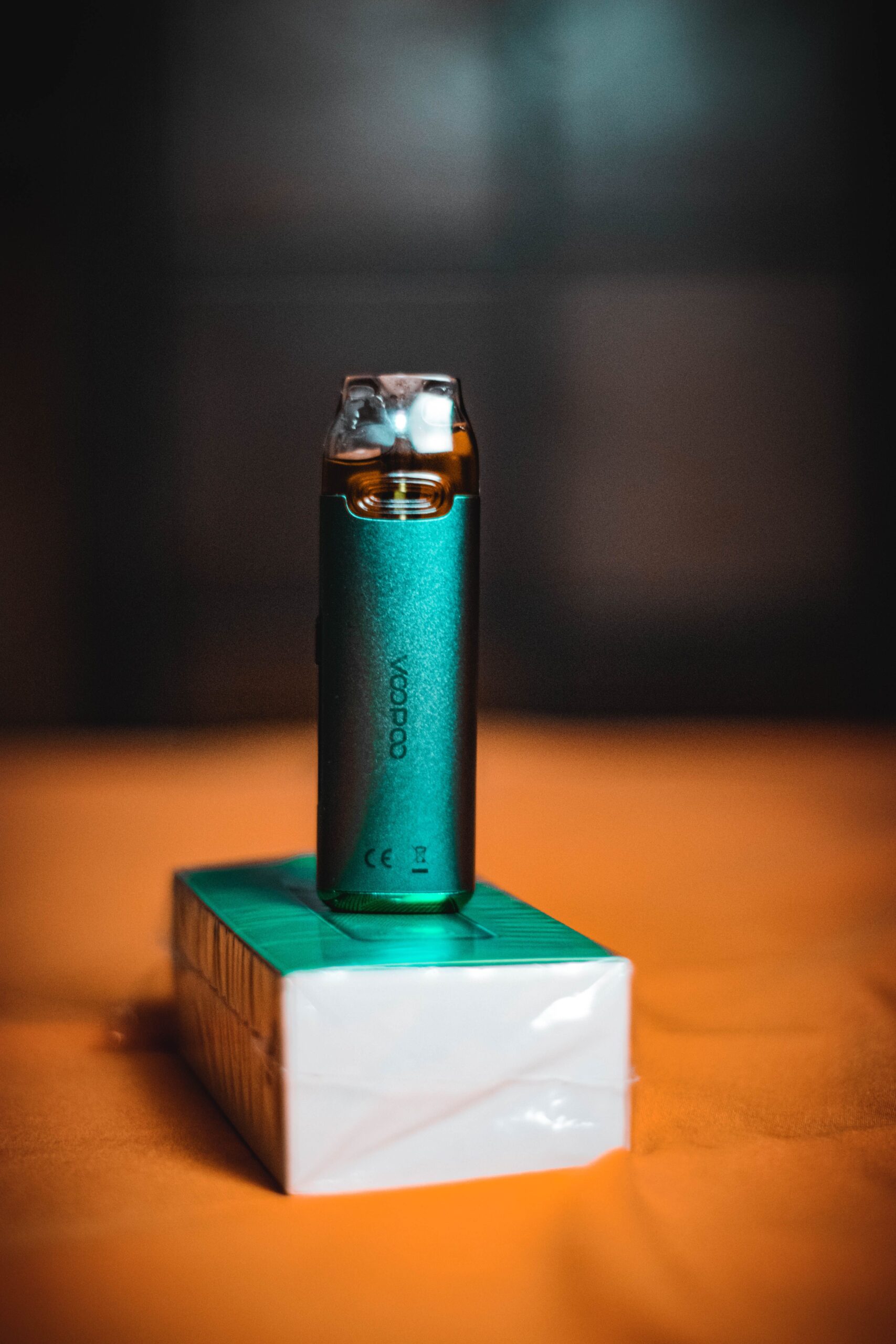
A cannabis vape cartridge is a small container filled with cannabis oil or another compatible cannabis formulation. The cartridge is generally connected to a battery that powers the heating element.
When discussing what is a weed vape, cartridges are among the most common products people encounter. A cartridge-based vape can be either disposable or designed to be connected to a reusable battery.
The cartridge typically contains the cannabis formulation, while the battery provides the electrical power. When the device is activated, the heating element warms the contents and produces an aerosol for inhalation.
Cannabis cartridges can differ in cannabinoid concentration, terpene profile, ingredients, hardware design, and capacity. Some may contain THC-dominant formulations, while others may contain different cannabinoid combinations.
Consumers should pay attention to labeling because cannabis oils and concentrates can contain highly concentrated THC. The CDC notes that oils and concentrates used for vaping can contain concentrated forms of THC and may contain additives or contaminants.
What Is a Weed Vape Pen?
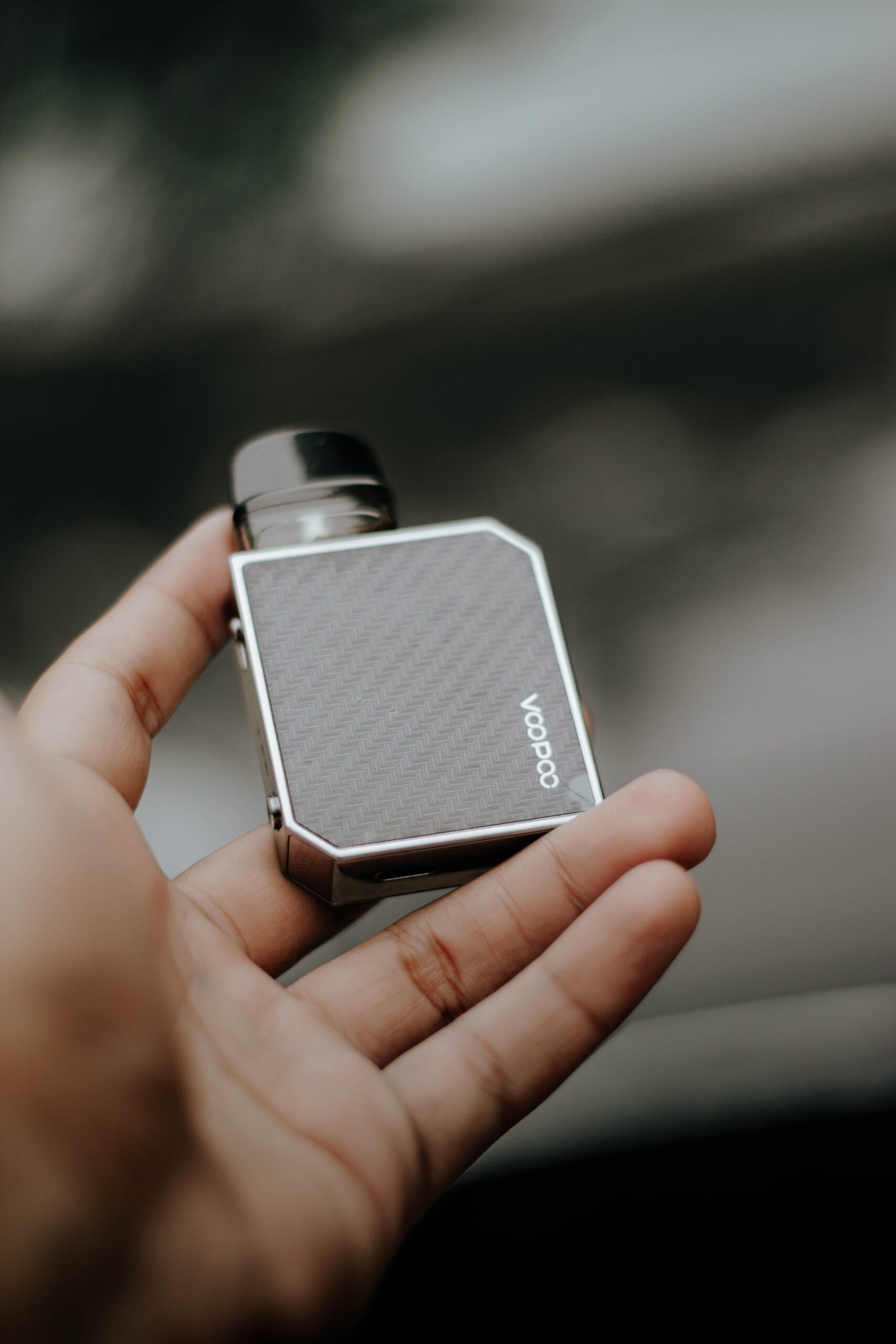
A weed vape pen is a compact vaporizing device that generally resembles the shape of a pen. The term can refer to several different designs, including disposable devices and rechargeable battery systems used with cartridges.
If someone asks what is a weed vape, they may be referring specifically to a weed vape pen because vape pens are among the most recognizable cannabis vaping products.
A typical vape pen has a battery, heating component, and mouthpiece. Depending on the design, the cannabis material may be contained inside a cartridge or integrated directly into the device.
Some vape pens are draw-activated, meaning the device activates when the user inhales. Others have a button that activates the heating element. Rechargeable models usually require charging before use, while disposable models are designed to be discarded after the product is depleted.
Because vape pen designs vary, consumers should follow the manufacturer’s instructions rather than assuming that every device operates the same way.
What Is a Weed Vape Made From?
Another useful part of understanding what is a weed vape is knowing what materials and components may be involved.
The device itself may contain a battery, heating coil or ceramic heating element, reservoir or chamber, mouthpiece, and other hardware components. The cannabis formulation may contain cannabinoids such as THC or CBD, along with naturally occurring or added terpenes depending on the product.
A dry-flower vaporizer does not require cannabis oil. Instead, it uses a chamber designed to hold cannabis flower.
Oil cartridges are different because they contain a concentrated cannabis formulation. The consistency of cannabis oil can vary depending on the extraction process and formulation.
The ingredients matter because not every substance suitable for ingestion is necessarily suitable for inhalation. The CDC has emphasized that vaping aerosols can contain potentially harmful substances, and cannabis vaping products may also have concerns related to additives or contamination.
For that reason, understanding the label and sourcing of a cannabis vape is an important part of responsible decision-making.
Different Types of Weed Vapes
Now that we have answered what is a weed vape, it is useful to understand the main categories of devices available.
Disposable Weed Vapes
Disposable weed vapes are designed to be used as a complete unit without requiring a separate battery or cartridge system. The battery and cannabis formulation are typically integrated into one device.
The convenience of this format is one reason disposable vapes are widely recognized. There is usually no need to purchase a separate compatible battery.
However, disposable devices should not automatically be considered safer than reusable products. The contents, hardware quality, manufacturing standards, and testing information are still important considerations.
Rechargeable Cartridge Vapes
Rechargeable cartridge systems separate the battery from the cannabis cartridge. The battery can be charged and reused, while the cartridge is replaced when its contents are depleted.
This design provides flexibility because the same compatible battery may work with multiple cartridges. However, compatibility and manufacturer instructions should always be checked before connecting a cartridge to a battery.
Dry-Flower Vaporizers
Dry-flower vaporizers are designed to heat cannabis flower rather than cannabis oil. The flower is placed inside a heating chamber, where controlled heat produces an inhalable aerosol.
These devices can be larger than cartridge pens and may offer temperature controls. Temperature settings can influence the vapor production and overall experience.
Concentrate Vaporizers
Concentrate vaporizers are designed for cannabis concentrates rather than traditional flower. Concentrates can contain significantly higher levels of THC than ordinary cannabis flower.
Because of the high concentration, consumers should recognize that concentrate vaping can produce strong intoxicating effects. The CDC notes that high-concentration THC products are associated with greater risks of overconsumption and that the full consequences of exposure to high THC concentrations are not completely understood.
Weed Vape vs Smoking Cannabis
Understanding what is a weed vape becomes easier when it is compared with traditional smoking.
Smoking cannabis involves combustion. A flame burns the cannabis material and creates smoke that is inhaled. Vaping, by contrast, uses a heating element to produce an aerosol without relying on the same combustion process.
Because smoking and vaping involve different processes, the resulting inhalation experience can differ. Vaporization is often associated with a different flavor and sensation than smoke, although individual experiences vary.
It is important not to interpret this difference as proof that cannabis vaping is harmless or universally safer. The CDC states that health and safety risks exist for different ways of using cannabis and that there is not enough evidence to say that one method is safer than another in all respects.
Cannabis smoke itself contains toxins and irritants, and smoking can harm lung tissue. At the same time, cannabis vaping has also been associated with lung injury, particularly in the context of certain THC-containing vaping products and contaminants.
The key point is that vaping and smoking are different methods, but neither should automatically be described as risk-free.
What Is a Weed Vape High Like?
A common question after what is a weed vape is what the experience feels like.
The effects of a cannabis vape depend on several factors, including THC concentration, amount consumed, individual tolerance, previous experience, and the specific product formulation.
THC is the primary intoxicating cannabinoid in cannabis. According to the CDC, THC can affect memory, attention, decision-making, coordination, and reaction time.
Because inhaled cannabis can take effect relatively quickly, users may notice effects sooner than with edible cannabis products. However, the speed of onset does not make the effects predictable for everyone.
High-THC vape products may produce stronger intoxicating effects. Someone who is inexperienced with cannabis may respond differently from someone who has used cannabis frequently.
It is also possible for cannabis to cause unwanted effects. These can include anxiety, dizziness, impaired coordination, confusion, or an uncomfortable level of intoxication. Combining cannabis with alcohol or other substances can increase impairment.
For this reason, anyone using cannabis should understand the product’s THC concentration and applicable local laws and avoid driving or operating machinery while impaired.
How Long Does a Weed Vape Effect Last?
The duration of effects from a weed vape varies from person to person.
Inhaled cannabis generally produces effects more quickly than cannabis that is eaten because the cannabinoids enter the bloodstream through the lungs. However, the duration and intensity can depend on THC concentration, the amount consumed, individual tolerance, metabolism, and other factors.
A high-concentration product can produce stronger effects than a lower-concentration product. The experience may also be different for someone who rarely uses cannabis compared with someone who uses it regularly.
Because there is no single duration that applies to every person, it is better to avoid treating a specific time range as a guarantee.
Anyone experiencing significant impairment should avoid driving, cycling in traffic, operating machinery, or making important decisions until they are no longer impaired.
Are Weed Vapes Safe?
When asking what is a weed vape, safety is an important part of the answer.
A weed vape is not automatically safe simply because it does not produce conventional smoke. Cannabis products can have health risks regardless of the method of consumption. THC itself is intoxicating and can affect cognitive and motor functions.
The CDC also reports that vaping has been linked to lung injury. During the 2019 EVALI outbreak, THC-containing vaping products containing vitamin E acetate were linked to most cases.
This history demonstrates why product quality and ingredient information matter. Informal or unregulated products may create additional uncertainty because consumers may not know exactly what is inside them.
The safest approach is to understand local laws, read product information carefully, avoid unknown or informal sources, and recognize that cannabis vaping is not risk-free.
What Are the Risks of Vaping Cannabis?
The risks associated with cannabis vaping can come from both the cannabis itself and the vaping product.
THC can cause impairment, affecting attention, memory, coordination, and decision-making. Higher-concentration cannabis products can increase the potential for stronger intoxicating effects and overconsumption.
There are also concerns about contaminants and additives. The CDC notes that cannabis oils and concentrates used for vaping may contain additives or contaminants.
Another concern is lung health. Vaping has been associated with lung injury, particularly in situations involving contaminated THC vaping products.
Cannabis use can also become problematic for some people. The CDC estimates that approximately three in ten people who report cannabis use have cannabis use disorder, although individual risk varies and is higher with factors such as frequent use and beginning during youth or adolescence.
These facts do not mean every person who uses a weed vape will experience these problems. They do show why responsible use and awareness are important.
Why Product Quality Matters
When learning what is a weed vape, product quality should never be ignored.
Two products may look similar from the outside while having very different formulations and manufacturing standards. A properly labeled product can provide information about cannabinoid content and ingredients, while an unverified product may provide little useful information.
Consumers should look for clear labeling, appropriate packaging, ingredient information, and legally required testing where applicable.
It is also important to avoid assuming that a familiar-looking cartridge is genuine. Counterfeit or contaminated products can create additional risks.
The CDC has advised against THC-containing vaping products obtained from informal sources, particularly because of the uncertainty surrounding their contents.
Understanding THC and CBD in Weed Vapes
THC and CBD are two of the best-known cannabinoids found in cannabis.
THC, or tetrahydrocannabinol, is intoxicating and can produce the “high” associated with cannabis. CBD, or cannabidiol, does not produce the same intoxicating effect by itself.
A weed vape can contain THC, CBD, a combination of cannabinoids, or other cannabis compounds depending on its formulation.
The ratio of cannabinoids can influence the overall characteristics of a product, but it does not guarantee a particular experience for every person.
Consumers should carefully read cannabinoid information instead of relying only on product names or strain names.
It is also important to understand that a product labeled as hemp or CBD is not necessarily free from THC. The CDC warns that some products marketed as hemp or CBD may contain THC or other substances, and labeling can sometimes be inaccurate.
Understanding Terpenes in Cannabis Vapes
Terpenes are aromatic compounds naturally found in many plants, including cannabis.
In cannabis products, terpenes can contribute to aroma and flavor. Different cannabis varieties can have different terpene profiles, which is one reason products may have distinctive scents and tastes.
Some vape products contain cannabis-derived terpenes, while others may use botanical terpenes or additional flavoring ingredients.
When evaluating a cannabis vape, consumers should check the product label rather than assuming that a flavor name tells the complete story.
Terpenes are also not a guarantee of a particular medical or psychological effect. Marketing language can sometimes make claims that go beyond what scientific evidence supports, so it is better to separate product descriptions from established evidence.
How to Read a Weed Vape Label
Knowing what is a weed vape is only the beginning. Reading the label correctly is equally important.
Look for the product name, cannabinoid information, total quantity, ingredient information, batch or lot information where applicable, and any required testing or compliance information.
THC concentration deserves particular attention because high-THC products can produce stronger intoxicating effects.
Consumers should also check whether the product is intended for a specific device. Using incompatible hardware can create performance or safety problems.
If a label is unclear, missing important information, or makes unusually broad claims, that uncertainty should be taken seriously.
A professional product label should make it reasonably clear what the product contains and how it is intended to be used.
Weed Vape Battery Safety
A weed vape can contain a rechargeable lithium-ion battery, and battery safety is therefore an important consideration.
Users should follow the manufacturer’s charging instructions and use compatible charging equipment. Devices should not be modified or physically damaged.
If a battery becomes unusually hot, swollen, damaged, or otherwise abnormal, it should not be treated as normal operation.
The CDC has documented that defective vape batteries can cause fires or explosions, with many reported incidents occurring during charging.
Basic battery awareness can reduce avoidable risks. Keeping devices away from extreme heat, water, and physical damage is also sensible.
How to Store a Weed Vape
Proper storage can help protect both the device and its contents.
A weed vape should generally be stored in a cool, dry place away from excessive heat and direct sunlight. Extreme temperatures can affect batteries and cannabis formulations.
Devices should also be kept away from children and pets. Cannabis products can cause poisoning or adverse effects when accidentally consumed.
If the product has a manufacturer’s storage recommendation, that guidance should take priority.
For cartridge-based products, keeping the cartridge upright when recommended by the manufacturer can also help minimize leakage.
Good storage is a simple part of responsible cannabis product handling and should not be overlooked.
What Is a Weed Vape Compared With a Vape for Nicotine?
The word “vape” can refer to very different products.
Nicotine vapes are designed primarily for nicotine-containing e-liquids or similar formulations. Weed vapes are designed for cannabis flower, cannabis oil, or cannabis concentrates.
The hardware can sometimes look similar, which may cause confusion. However, a cannabis cartridge should not automatically be assumed to work with every nicotine vape battery.
The CDC notes that some electronic cigarettes can also be used to deliver cannabis and other drugs, but the contents and intended use of the products can differ significantly.
Consumers should always verify compatibility and product specifications instead of assuming that all vape hardware is interchangeable.
Can You Travel With a Weed Vape?
Travel rules for cannabis products can be complicated because cannabis laws vary between jurisdictions.
A product that is permitted in one location may be restricted or illegal in another. Federal, state, local, and transportation rules can also differ.
For that reason, anyone traveling with a weed vape should check the current laws that apply to the specific departure location, destination, and transportation method.
Do not assume that legalization in one state or jurisdiction automatically makes cannabis legal everywhere.
The legal status of cannabis products can also change over time, so current official government information should be checked before traveling.
Can You Drive After Using a Weed Vape?
Driving after using a THC-containing weed vape can be dangerous because THC can impair attention, coordination, judgment, and reaction time.
The CDC specifically identifies impairment of memory, attention, decision-making, and reaction time among the effects associated with THC.
There is no reliable universal rule that determines when every person is safe to drive after cannabis use. Individual response can vary, and impairment can persist after the most noticeable effects have changed.
The safest approach is not to drive or operate machinery while impaired.
This is particularly important with high-THC products because concentrated formulations can produce stronger intoxicating effects.
Who Should Avoid Cannabis Vaping?
Cannabis products are not appropriate for everyone.
Young people should not use cannabis, and pregnancy is another situation in which cannabis use can present concerns. The CDC advises that cannabis use during pregnancy or breastfeeding may harm the baby.
People who take prescription medications should also discuss cannabis use with a healthcare professional because cannabis can interact with some medications.
Anyone with concerns about cannabis use, unwanted effects, or difficulty controlling use should seek advice from a qualified healthcare professional.
The important point is that what is a weed vape is not simply a hardware question. It also involves understanding who should avoid cannabis, how THC affects the body, and what risks may apply to an individual.
Common Weed Vape Terms Explained
Cannabis vaping has its own vocabulary, which can make it confusing for beginners.
A cartridge is the container that holds cannabis oil or another compatible formulation. A battery is the power source used to operate a compatible vape system. An atomizer or heating element is the component that heats the material.
A disposable vape combines the main components into one product. A rechargeable vape typically allows the battery to be charged again.
A dry-herb vaporizer is designed for cannabis flower, while a concentrate vaporizer is intended for cannabis extracts.
THC refers to tetrahydrocannabinol, the main intoxicating cannabinoid in cannabis. CBD refers to cannabidiol, a cannabinoid that does not produce the same intoxicating effects as THC by itself.
Understanding these terms makes it easier to interpret product descriptions and labels.
What Is a Weed Vape for Beginners?
For beginners asking what is a weed vape, the simplest explanation is that it is a cannabis vaporizing device that heats a compatible cannabis material to produce an inhalable aerosol.
A beginner should not assume that all weed vapes are identical. The device type, cannabis formulation, THC concentration, ingredients, and operating instructions can vary considerably.
Someone unfamiliar with cannabis should understand the legal status of cannabis where they live and learn about the possible effects of THC before making any decisions.
High-concentration products deserve particular caution because they can produce stronger intoxicating effects. The CDC notes that concentrated THC products may increase the risk of overconsumption and that researchers are still learning about the consequences of exposure to high concentrations.
Education is therefore one of the most useful first steps.
How to Choose the Right Weed Vape Category
Choosing between different cannabis vape categories depends on what the device is designed to vaporize and the user’s preferences and circumstances.
Someone interested in flower may look at a dry-herb vaporizer. Someone using cannabis oil may encounter cartridge systems or disposable devices. Concentrate users may encounter specialized concentrate vaporizers.
However, product choice should not be based solely on appearance or marketing.
Pay attention to product labeling, cannabinoid concentration, ingredients, testing information where available, device compatibility, battery specifications, and applicable laws.
A higher THC percentage is not automatically a better product. In fact, stronger products can produce greater impairment and may increase the risk of overconsumption.
Common Mistakes People Make With Weed Vapes
One common mistake is assuming that every vape cartridge fits every vape battery. Hardware compatibility varies, so the product instructions should always be followed.
Another mistake is assuming that vaping is completely harmless because it does not involve traditional smoke. Cannabis vaping still carries health and safety considerations.
Some people also underestimate THC concentration. A concentrated cannabis oil can contain much more THC than ordinary cannabis flower, which may result in stronger effects.
Another mistake is purchasing products from unknown or informal sources. Product contamination and inaccurate labeling are important concerns, particularly with unregulated products.
Finally, some users may combine cannabis with alcohol or other substances. The CDC warns that combining cannabis with alcohol can result in greater impairment than using either substance alone.
Is a Weed Vape Better Than Smoking?
The question of whether a weed vape is “better” than smoking depends on what aspect is being compared, and there is no universal answer.
Vaping and smoking use different methods of delivering cannabis. Smoking involves combustion, while vaporization uses a heating mechanism. That difference can affect the composition of what is inhaled and the sensory experience.
However, the available evidence does not justify describing cannabis vaping as completely safe. The CDC states that health and safety risks exist with different cannabis consumption methods and that there is insufficient evidence to say that one method is safer than another overall.
Therefore, it is more accurate to say that vaping is a different cannabis consumption method rather than automatically calling it a safer one.
What Is a Weed Vape and Why Is It Popular?
The popularity of weed vapes can be linked to several characteristics of the format.
Many vape devices are compact and portable. Cartridge systems can also be relatively simple compared with larger vaporizer setups. Inhaled cannabis can produce effects relatively quickly, which is another characteristic that some consumers value.
Vapes can also provide access to different cannabis formulations, including THC-focused products, CBD products, flower vaporization, and concentrates.
At the same time, popularity should not be confused with safety. A product can be convenient while still carrying potential risks.
Consumers should evaluate cannabis vaping based on accurate product information rather than marketing claims alone.
The Importance of Responsible Cannabis Information
Searching what is a weed vape is a good starting point, but responsible cannabis education should go beyond explaining how a device works.
People should understand the difference between THC and CBD, recognize the possibility of impairment, pay attention to product labeling, understand local laws, and know that cannabis vaping is not risk-free.
Reliable information is especially important because cannabis products can vary considerably in potency and formulation.
Health claims should also be treated carefully. A product description should not be interpreted as medical advice, and cannabis products should not be promoted as guaranteed treatments for medical conditions without appropriate evidence.
Anyone considering cannabis for a medical reason should discuss the issue with a qualified healthcare professional.
FAQs
What is a weed vape?
A weed vape is a vaporizing device designed to heat cannabis flower, oil, concentrate, or another compatible cannabis formulation to produce an inhalable aerosol. Depending on the device, it may be disposable, rechargeable, cartridge-based, or designed for dry flower. Cannabis vaping can produce effects quickly, but it is not risk-free.
Is a weed vape the same as a nicotine vape?
No. A weed vape is designed for cannabis materials, while a nicotine vape is generally designed for nicotine-containing e-liquid. Some hardware may look similar, but the formulation, intended use, and compatibility can be different. Users should always follow the manufacturer’s specifications.
Does a weed vape contain THC?
It can. Many cannabis vapes contain THC, although some products contain CBD or other cannabinoid formulations. THC is the intoxicating cannabinoid responsible for the “high” associated with cannabis. Product labels should be checked carefully to understand the cannabinoid content.
Are weed vapes safe?
A weed vape should not be considered completely safe. Cannabis itself carries potential health risks, and vaping has also been associated with lung injury. THC can impair attention, memory, coordination, decision-making, and reaction time. Product quality and contamination are additional considerations.
Can you drive after using a weed vape?
Driving after using a THC-containing weed vape is not recommended because THC can impair coordination, attention, judgment, and reaction time. Individual impairment varies, so there is no universal amount of time that guarantees someone is safe to drive. Anyone experiencing impairment should avoid driving or operating machinery.
Final Thoughts: What Is a Weed Vape?
So, what is a weed vape? In simple terms, it is a cannabis vaporizing device that heats cannabis flower, oil, concentrate, or another compatible formulation to create an inhalable aerosol. Weed vapes can come in several formats, including disposable devices, rechargeable cartridge systems, dry-flower vaporizers, and concentrate vaporizers.
Understanding the technology is only one part of the picture. Anyone researching cannabis vaping should also understand THC concentration, CBD, product ingredients, battery safety, potential contamination, legal requirements, and the possible effects of cannabis on attention, memory, coordination, and decision-making.
A weed vape should not be treated as automatically safe simply because it does not work like a traditional smoking device. The CDC notes that cannabis carries health risks regardless of the consumption method, while vaping has also been associated with lung injury.
For anyone researching what is a weed vape, the most useful approach is to focus on accurate information rather than exaggerated marketing claims. Read labels carefully, understand the cannabinoid content, follow device instructions, pay attention to local laws, and recognize that high-THC products can cause significant impairment.
Cannabis products also vary widely in formulation and potency, so one product should never be assumed to have the same effects as another. If cannabis is being considered for a medical purpose, professional healthcare guidance is more appropriate than relying on product descriptions or online claims.
Ultimately, learning what is a weed vape means understanding both the device and the broader considerations surrounding cannabis vaping. With accurate information, consumers can better understand how these products differ, what questions to ask, and why responsible and informed decisions matter.