Cannabis can be consumed in several different ways, including smoking, eating, drinking, and vaping. Among these methods, vaping has become widely discussed because cannabis products can be formulated specifically for vaporizing through portable vape pens, cartridges, and other vaporizer devices. If you have been searching for how do you vape cannabis, understanding the basics of the method, the products involved, and the potential risks is more useful than simply learning how to operate a device.
Cannabis vaping generally involves a device that heats cannabis material or a cannabis concentrate and produces an aerosol that is inhaled. Unlike traditional smoking, the material is not necessarily burned in the same way. However, this does not mean that vaping cannabis is harmless. The Centers for Disease Control and Prevention explains that cannabis products used for vaping may contain highly concentrated THC, additives, or contaminants, and vaping has been associated with lung injury.
That is why anyone researching how do you vape cannabis should look beyond the basic mechanics. Product quality, ingredients, THC concentration, device type, legal requirements, age restrictions, and individual health factors can all matter.
This guide covers the major aspects of cannabis vaping in an easy-to-understand format. It discusses common vape products, how vaping differs from smoking, what THC and CBD mean, potential effects, safety considerations, storage, common mistakes, and questions beginners often ask.
How Do You Vape Cannabis and What Does Cannabis Vaping Mean?
The question how do you vape cannabis usually refers to the process of using a vaporizer or vape device to heat cannabis material or a cannabis extract so that it produces an inhalable aerosol. Cannabis can be delivered through different types of vaporizing systems, depending on whether the product is a cartridge, concentrate, or dried cannabis material.
According to the CDC, cannabis can be vaped using electronic vaporizing devices such as vape pens or other vaporizers. Cannabis oils and concentrates can also be formulated for vaping or inhalation.
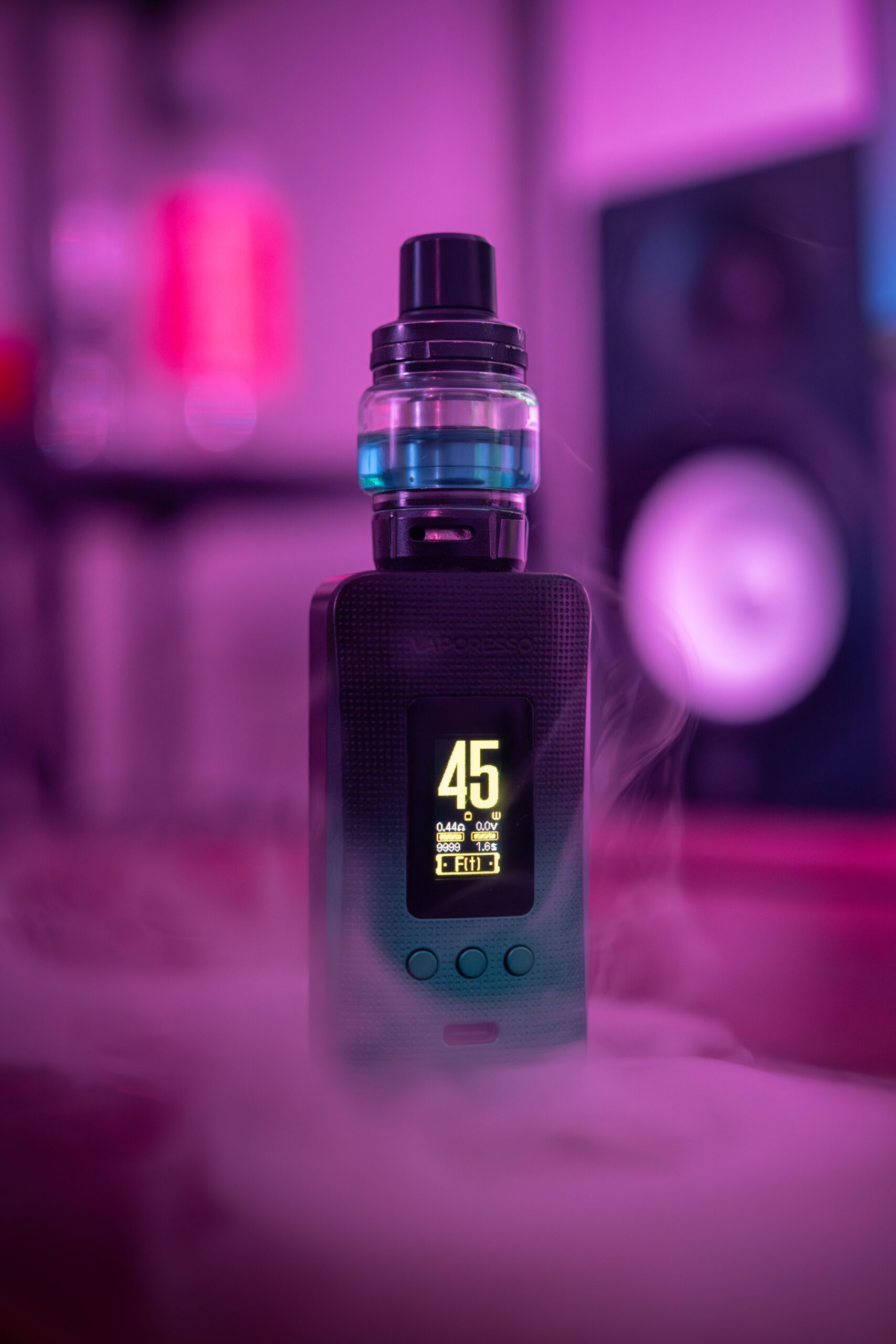
A typical cannabis vape system contains several basic components. These can include a battery, heating element, chamber or cartridge, and mouthpiece. Disposable products may combine these components into one unit, while reusable systems can have separate batteries and replaceable cartridges or chambers.
The important distinction is that vaping does not simply mean inhaling ordinary water vapor. The CDC explains that aerosols produced by vaping devices can contain substances that may be harmful or potentially harmful.
For that reason, understanding how do you vape cannabis should also involve understanding what is inside the product being inhaled. A product’s label, cannabinoid concentration, ingredients, testing information, and source are important considerations.
Understanding Different Types of Cannabis Vapes
Before thinking about how do you vape cannabis, it helps to understand that not all cannabis vape products are identical. Different products are designed for different forms of cannabis material, and their concentrations and ingredients can vary considerably.
Cannabis Vape Cartridges
Vape cartridges are small containers designed to hold cannabis oil or concentrate. Many cartridges are connected to a compatible battery. Some are sold as pre-filled products, while others may be designed for particular refillable systems.
The oil inside a cartridge can contain THC, CBD, or other cannabinoids depending on the formulation. Flavoring compounds or terpenes may also be present.
Because cartridge contents can be highly concentrated, consumers should pay close attention to the product label rather than assuming that one cartridge is equivalent to another. The CDC specifically warns that oils and concentrates used in vaping may contain highly concentrated THC and may also contain additives or contaminants.
Disposable Cannabis Vapes
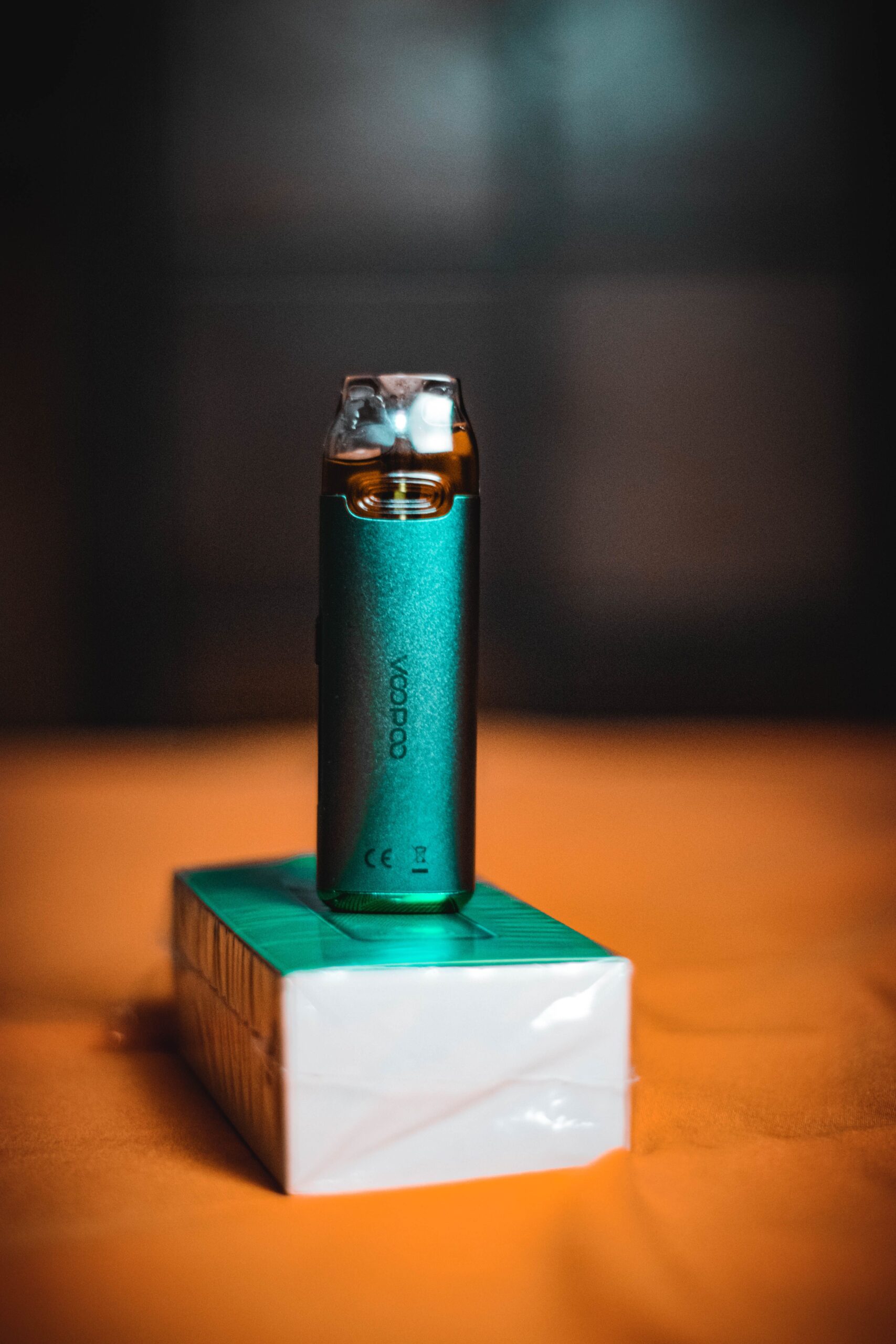
Disposable cannabis vapes combine the battery and cannabis formulation into a single device. They are generally designed to be discarded when the product is depleted.
Their simple design can make them appear straightforward, but simplicity does not automatically mean safety. Users still need to consider the source, labeling, ingredients, cannabinoid concentration, and applicable regulations.
A disposable vape can also contain a relatively concentrated cannabis formulation, which means the amount of THC delivered may differ substantially from what someone might expect based simply on the device’s size.
Dry Herb Vaporizers
Some vaporizers are designed to heat dried cannabis flower rather than cannabis oil. These devices use a heating chamber instead of a pre-filled cartridge.
Dry herb vaporization and cannabis oil vaping are therefore different experiences involving different products and devices. The temperature, material, device design, and cannabis composition can influence the resulting aerosol.
Concentrate Vaporizers
Cannabis concentrates can contain much higher levels of THC than traditional cannabis flower. Some specialized vaporizing devices are designed for concentrates.
This is particularly important when researching how do you vape cannabis, because high-concentration products can produce stronger intoxicating effects. The CDC notes that highly concentrated THC products can increase the risk of overconsumption and that some vaping and dabbing methods can deliver very high levels of THC.
How Do You Vape Cannabis Compared With Smoking?
One reason people search for how do you vape cannabis is because they want to understand how vaping differs from traditional smoking.
Smoking cannabis involves combustion. When cannabis is burned, smoke containing numerous chemicals and particles is produced. Vaping generally uses a heating element rather than traditional combustion.
However, this distinction should not be interpreted as proof that cannabis vaping is safe. The CDC states that there are health and safety risks associated with different methods of cannabis use and that there is not enough evidence to conclude that one method is universally safer than another.
Vaping also creates an aerosol that enters the respiratory system. Depending on the product, that aerosol may contain cannabinoids, flavoring compounds, solvents, contaminants, or other substances.
The 2019 outbreak of vaping-associated lung injury also demonstrated why the ingredients used in vaping products matter. CDC investigations found a strong association between THC-containing vaping products containing vitamin E acetate and most cases during that outbreak.
Therefore, the difference between vaping and smoking should be understood as a difference in delivery method, not as a guarantee of safety.
How Do You Vape Cannabis Products With THC?
When people ask how do you vape cannabis, they are often specifically referring to THC products.
THC, or tetrahydrocannabinol, is the primary psychoactive cannabinoid associated with the intoxicating effects of cannabis. The amount of THC in a product can vary significantly depending on the formulation.
Vape oils and concentrates can contain relatively high THC concentrations. This means a person may experience stronger effects than expected, particularly when they are unfamiliar with the product’s potency.
The CDC explains that cannabis effects can depend on several factors, including THC concentration, frequency of use, previous experience, individual biology, and the method through which cannabis is consumed.
This is why product labeling matters. A person should not assume that all vape cartridges have the same strength simply because they look similar.
How Do You Vape Cannabis With CBD Products?
CBD, or cannabidiol, is another cannabinoid found in cannabis and hemp products. Unlike THC, CBD by itself is not considered intoxicating in the same way because it does not produce the typical cannabis high.
However, CBD vape products are not automatically risk-free. The ingredients used in the formulation and the quality of the product remain important.
Consumers should also distinguish between a product marketed as CBD and one that contains meaningful amounts of THC. Labels can vary, and some products may contain cannabinoids that consumers do not expect.
When researching how do you vape cannabis, therefore, it is useful to identify exactly which cannabinoid the product contains and how much of it is present.
What Happens When Cannabis Is Vaped?
Vaping cannabis introduces cannabinoids into the body through inhalation. The experience can vary depending on the product, cannabinoid concentration, individual tolerance, and other factors.
THC can affect memory, attention, decision-making, coordination, and perception. The CDC identifies THC as impairing or mind-altering.
Some people may experience noticeable effects relatively quickly after inhaling cannabis, but individual responses can differ. A person’s previous cannabis experience, biological factors, THC concentration, and use of other substances can influence the overall experience.
Because vaping can involve concentrated cannabis extracts, it is especially important not to assume that a small-looking cartridge contains a small amount of THC.
Why THC Concentration Matters in Cannabis Vapes
One of the most important considerations when researching how do you vape cannabis is potency.
Traditional cannabis flower and concentrated vape oils can have very different cannabinoid concentrations. Some concentrates contain substantially higher levels of THC.
Higher THC concentration can increase the intensity of intoxication and may make overconsumption easier. The CDC reports that products with high THC concentrations can have stronger intoxicating effects and increase the risk of consuming too much.
For consumers, this means reading the label carefully is important. Pay attention to THC percentages, total cannabinoid amounts, serving information where provided, and testing information.
A product that looks physically small can still contain a substantial amount of concentrated cannabis.
Cannabis Vape Safety and Product Quality
Product quality is one of the most important parts of the how do you vape cannabis conversation.
Cannabis vape products can contain concentrated extracts and additional ingredients. The CDC notes that vaping oils and concentrates may contain additives or contaminants.
When cannabis products are obtained from unregulated or informal sources, consumers may have less reliable information about ingredients, potency, manufacturing, or contamination.
For that reason, consumers should look for products that provide clear labeling and appropriate testing information where legally available. Avoid products with missing ingredient information, suspicious packaging, unclear cannabinoid concentrations, or unexplained additives.
A product’s appearance alone cannot establish its quality.
Why Ingredients Matter in Cannabis Vape Products
A cannabis vape is not necessarily made from cannabis extract alone. Depending on the product, it may contain terpenes, flavoring substances, carrier ingredients, or other formulation components.
This makes ingredient transparency important.
The CDC states that vaping aerosols can contain harmful or potentially harmful substances, and research into the health effects of inhaled ingredients is ongoing.
Consumers should therefore be cautious about assuming that an ingredient is safe to inhale simply because it is considered safe for eating.
The lungs and digestive system process substances differently, so an ingredient appropriate for food use may not automatically be appropriate for inhalation.
Understanding Cannabis Vape Hardware
A basic cannabis vape system may contain a battery, heating element, cartridge or chamber, and mouthpiece. Some systems are disposable, while others are rechargeable or reusable.
The battery supplies power to the heating element. The heating element then heats the cannabis formulation or material and creates an aerosol.
Different devices can have different heating systems and operating characteristics. Some may offer adjustable settings, while others are designed with a fixed configuration.
For consumers researching how do you vape cannabis, the key point is to use only the product according to its manufacturer’s instructions and avoid modifying the hardware.
Improvised modifications can create unpredictable heating, leakage, battery problems, or other safety issues.
Battery Safety Is Part of Cannabis Vape Safety
Vape devices rely on batteries, and batteries require appropriate handling.
Damaged batteries, incorrect charging equipment, overheating, or physical damage can create safety hazards. The CDC notes that defective e-cigarette batteries have caused fires and explosions, with many incidents occurring during charging.
Consumers should inspect rechargeable devices for visible damage and follow the manufacturer’s charging instructions. A damaged or malfunctioning device should not be used.
Keeping vape hardware away from excessive heat and moisture is also sensible.
Battery safety is sometimes overlooked when people search for how do you vape cannabis, but the device itself is an important part of the overall safety picture.
Cannabis Vape Storage
Proper storage can help protect the condition of a cannabis vape product and reduce accidental access.
Products should generally be stored according to the manufacturer’s instructions and kept away from children and pets. Vape products should also be protected from excessive heat, direct sunlight, and physical damage.
Cannabis products containing THC should be handled responsibly because THC can impair attention, memory, decision-making, and coordination.
Storage is particularly important in households where children or other people could accidentally access cannabis products.
Common Mistakes People Make With Cannabis Vapes
People searching how do you vape cannabis may focus primarily on the device, but many problems arise from misunderstanding the product rather than the hardware.
One common mistake is assuming that all vape cartridges contain similar THC concentrations. In reality, cannabis concentrates can vary significantly in potency.
Another mistake is purchasing products without checking the ingredient information or testing details. Unknown additives and contaminants can create additional concerns.
Using a damaged vape device is another avoidable problem. Batteries and heating components should be treated as electrical hardware rather than disposable objects.
Some people may also combine cannabis with alcohol or other substances. The CDC notes that using cannabis with other substances can increase the risk of harm.
Finally, people should not assume that vaping cannabis eliminates the risks associated with THC itself.
Can Cannabis Vaping Cause Lung Problems?
Yes, cannabis vaping has been associated with lung injury.
The CDC investigated a major outbreak of e-cigarette or vaping product use-associated lung injury, commonly referred to as EVALI. THC-containing vaping products containing vitamin E acetate were strongly associated with most cases identified during that outbreak.
This history demonstrates why consumers should take the source and formulation of vaping products seriously.
It is also important not to interpret the outbreak as meaning that every cannabis vape product contains vitamin E acetate. The issue was associated with specific products and ingredients, particularly products obtained from informal sources.
The broader lesson is that inhaled products should not be assumed safe simply because they are sold as vapes.
Who Should Avoid Cannabis Vaping?
Certain groups should be particularly cautious about cannabis exposure.
Young people should not use cannabis recreationally, and cannabis exposure during adolescence can affect the developing brain. The CDC identifies concerns involving attention, learning, and memory.
Pregnant or breastfeeding individuals should also avoid cannabis unless advised otherwise by an appropriate healthcare professional. The CDC states that cannabis use during pregnancy or breastfeeding may harm the baby.
People with respiratory or cardiovascular concerns should discuss cannabis use with a qualified healthcare professional rather than assuming that vaping is harmless.
Anyone experiencing concerning symptoms after using a cannabis vape should seek medical attention.
Cannabis Vaping and Impairment
One important aspect of how do you vape cannabis is understanding that the method does not eliminate THC’s intoxicating effects.
THC can impair attention, memory, decision-making, and other functions.
Therefore, people should not drive, operate machinery, or participate in activities requiring full concentration while impaired.
The fact that vaping can feel different from smoking does not change the basic effects of THC.
Consumers should also remember that combining cannabis with alcohol or other intoxicating substances can increase risks.
Cannabis Vaping and Tolerance
Regular cannabis use can lead some people to develop tolerance, meaning that the same amount may produce a different effect over time.
However, increasing tolerance should not automatically be treated as a reason to use stronger products.
The CDC reports that cannabis use can lead to cannabis use disorder in some people and that risk is associated with factors including more frequent use and beginning use during youth.
High-THC concentrates deserve particular attention because their potency can make it easier to consume large amounts of THC.
Understanding personal patterns of use is therefore just as important as understanding vape hardware.
What Is the Difference Between THC and CBD Vapes?
THC and CBD are different cannabinoids with different effects.
THC is psychoactive and can cause intoxication. CBD by itself is not considered intoxicating in the same way.
A THC vape is generally intended to deliver THC-containing cannabis extract, while a CBD vape is formulated primarily around CBD.
However, product labels should always be checked carefully because formulations vary. Some products may contain multiple cannabinoids.
Consumers should not rely only on marketing names or flavor descriptions when determining what a vape contains.
How Do You Vape Cannabis Responsibly?
When people search how do you vape cannabis, responsible use should be part of the discussion.
First, consumers should understand the legal requirements where they live. Cannabis laws vary considerably by country, state, and jurisdiction. Legal access does not necessarily mean every cannabis product or vaping method is permitted.
Second, product information matters. Consumers should look for clear labeling, cannabinoid information, ingredient information, and appropriate testing documentation where available.
Third, users should understand that high-THC products can cause stronger intoxicating effects.
Fourth, cannabis should not be mixed casually with alcohol or other intoxicating substances.
Finally, anyone who experiences severe or unusual symptoms after vaping should seek medical assistance rather than trying to manage potentially serious symptoms alone.
How Do You Vape Cannabis Without Overlooking Potency?
Potency is one of the easiest aspects of cannabis vaping to underestimate.
A small cartridge can contain concentrated cannabis extract. The physical size of the product does not tell you how strong it is.
When evaluating a cannabis vape, look at the THC percentage and the total amount of THC listed on the packaging. If CBD or other cannabinoids are present, review those figures as well.
People who are unfamiliar with cannabis concentrates may find that the experience is considerably different from lower-potency cannabis products.
The CDC notes that high-concentration THC products can increase intoxicating effects and the possibility of overconsumption.
Understanding potency is therefore an essential part of answering how do you vape cannabis responsibly.
Can You Travel With Cannabis Vapes?
Cannabis laws vary significantly between jurisdictions, and transportation rules can be particularly strict.
A product that is legally purchased in one location may not be legal to transport into another location. Crossing state or national borders with cannabis can create serious legal issues depending on the jurisdiction.
Travelers should check the applicable laws before transporting any cannabis product.
The safest approach is never to assume that a legal purchase automatically means unrestricted transportation.
How Do You Choose a Cannabis Vape Product?
Choosing a cannabis vape involves more than selecting a flavor.
Consumers should consider the cannabinoid profile, THC concentration, ingredients, product testing, manufacturer information, packaging, and applicable legal requirements.
A transparent product should provide useful information rather than relying entirely on marketing language.
Consumers should also distinguish between products designed for THC, CBD, or other cannabinoids.
If a product has unclear ingredients, missing potency information, suspicious packaging, or questionable sourcing, there is little reason to assume that it has been manufactured to a reliable standard.
What Should Beginners Know About Cannabis Vaping?
Beginners researching how do you vape cannabis should start with education rather than focusing exclusively on the mechanics of a vape device.
Understanding THC and CBD is important. Learning how potency is expressed is important. Knowing the difference between cartridges, disposables, dry-herb vaporizers, and concentrates is also useful.
Most importantly, beginners should understand that cannabis vaping is not risk-free.
The CDC specifically states that cannabis has health and safety risks regardless of the method used, while vaping products may introduce additional concerns related to concentrated THC, additives, contaminants, and lung injury.
A responsible approach means paying attention to product information, legal requirements, individual circumstances, and potential impairment.
How Do You Vape Cannabis? Key Things to Remember
The answer to how do you vape cannabis is broader than simply using a vape pen.
Cannabis vaping involves specialized hardware and cannabis formulations that can contain THC, CBD, or other cannabinoids. Products can vary substantially in concentration and ingredients.
Vape cartridges, disposable vapes, dry-herb vaporizers, and concentrate devices are different categories, and they should not be treated as interchangeable.
THC concentration is particularly important because concentrated products can produce stronger intoxicating effects.
Product quality is another major consideration. Consumers should pay attention to labeling, ingredients, testing information, and the source of the product.
Finally, vaping should never be treated as completely risk-free. Cannabis can impair judgment and coordination, while vaping products have been associated with respiratory risks and documented cases of lung injury.
FAQs
How do you vape cannabis?
How do you vape cannabis generally refers to using a vaporizer designed for cannabis flower, oil, or concentrate. The device heats the cannabis material or extract and produces an aerosol for inhalation. Different products use different hardware and formulations, so consumers should follow the manufacturer’s instructions and review product labeling.
Is vaping cannabis the same as smoking cannabis?
No. Smoking generally involves combustion, while vaping uses a heating system to create an aerosol. However, vaping cannabis should not automatically be considered safe. The CDC states that health and safety risks exist across cannabis consumption methods, and cannabis vaping has been associated with lung injury.
Are cannabis vape cartridges high in THC?
Some cannabis vape cartridges can contain highly concentrated THC. The concentration varies by product, so consumers should check the label rather than assuming all cartridges have similar potency. High-THC products can produce stronger intoxicating effects and may increase the risk of overconsumption.
Can cannabis vaping cause lung problems?
Yes. Cannabis vaping has been associated with lung injury, including the vaping-associated lung injury outbreak investigated by the CDC. THC-containing products containing vitamin E acetate were strongly associated with most cases during that outbreak.
Is CBD vaping the same as THC vaping?
No. CBD and THC are different cannabinoids. THC is psychoactive and can cause intoxication, while CBD by itself is not considered intoxicating in the same way. Product formulations can vary, so consumers should carefully check cannabinoid and ingredient information before using a product.
Conclusion
Understanding how do you vape cannabis requires more than knowing what a vape pen looks like or how a cartridge connects to a battery. Cannabis vaping involves different products, cannabinoid concentrations, formulations, devices, and potential health considerations.
Vape cartridges, disposable devices, dry-herb vaporizers, and concentrate products can all work differently. THC concentration is especially important because concentrated cannabis products can produce stronger intoxicating effects and may increase the likelihood of overconsumption.
Product quality and ingredient transparency also matter. Cannabis vaping products can contain additives or contaminants, and the CDC has documented a strong association between certain THC-containing vaping products and the 2019 EVALI outbreak.
For anyone researching how do you vape cannabis, the most useful starting point is informed decision-making: understand the product, read the label, know the THC concentration, consider the legal requirements in your location, recognize the possibility of impairment, and take documented vaping risks seriously.
Cannabis vaping is a rapidly changing area, and research into its short- and long-term effects continues. Reliable product information and reputable public-health guidance are therefore valuable resources for anyone trying to understand cannabis vape products.