Vape products have become a popular way for adults to consume cannabis because they are compact, convenient, and easy to use. A cannabis vape pen can contain THC oil, cannabis concentrates, or other cannabinoid products, and the effects can vary depending on the product, concentration, frequency of use, and individual factors. Because vape products can make cannabis consumption convenient, some people may use them more frequently than they originally intended.
One common question among regular users is, can you withdraw from weed pens? The short answer is that some people can experience withdrawal symptoms after stopping regular cannabis use, including cannabis consumed through a vape or weed pen. Withdrawal is not necessarily caused by the physical shape of the vape pen itself. Instead, it is associated with repeated exposure to cannabis, particularly THC, and the way the body and brain adapt to frequent use.
Research and public health information indicate that cannabis withdrawal can involve symptoms such as irritability, anxiety, sleep difficulties, reduced appetite, restlessness, cravings, and unusual dreams. The experience can differ considerably from one person to another. Some people may notice only mild changes, while others may find that stopping regular use is difficult.
Understanding how vape products work, why frequent cannabis use can become difficult to stop, what withdrawal may look like, and when professional support may be appropriate can help people make informed decisions about their cannabis use.
What Is a Cannabis Vape?
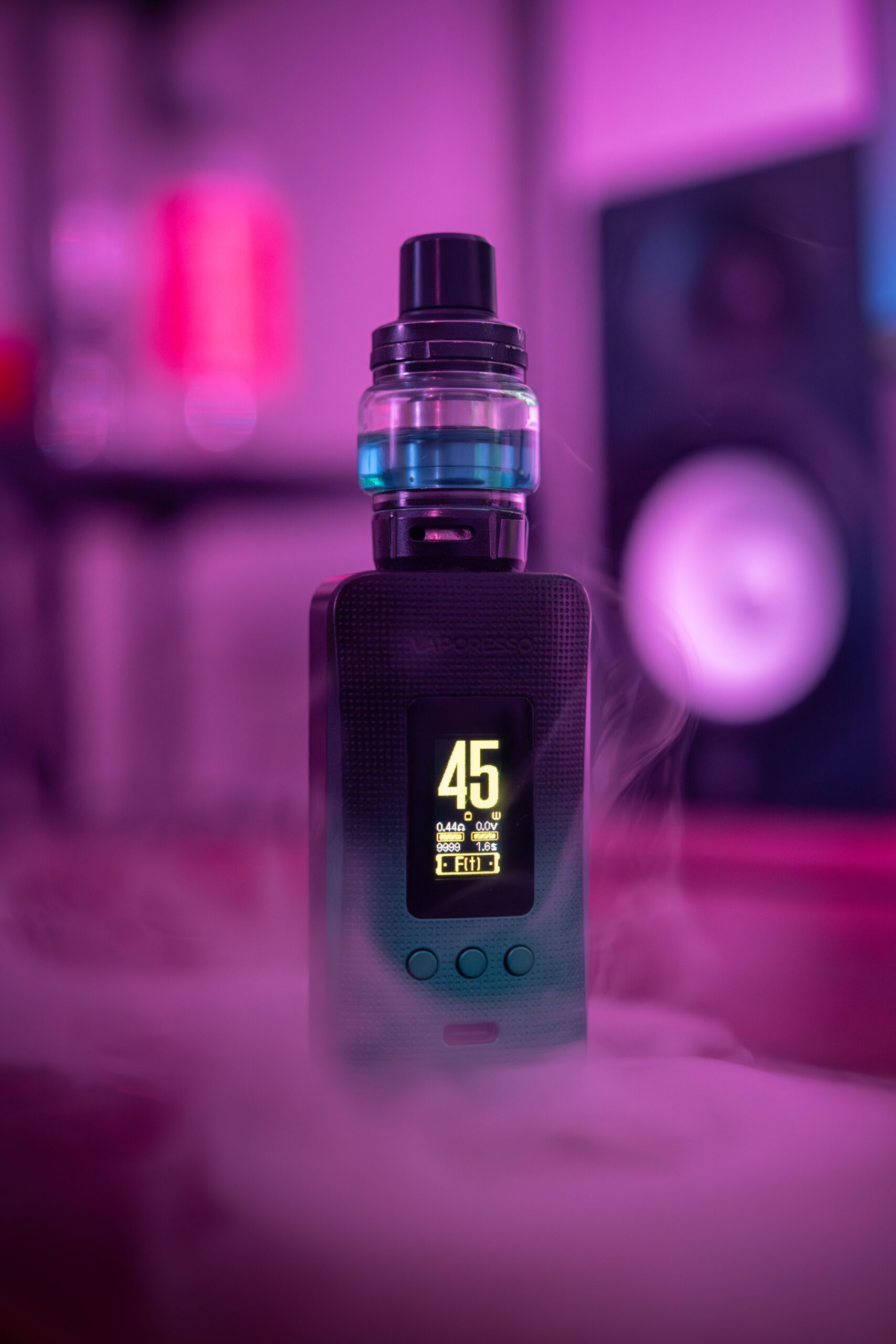
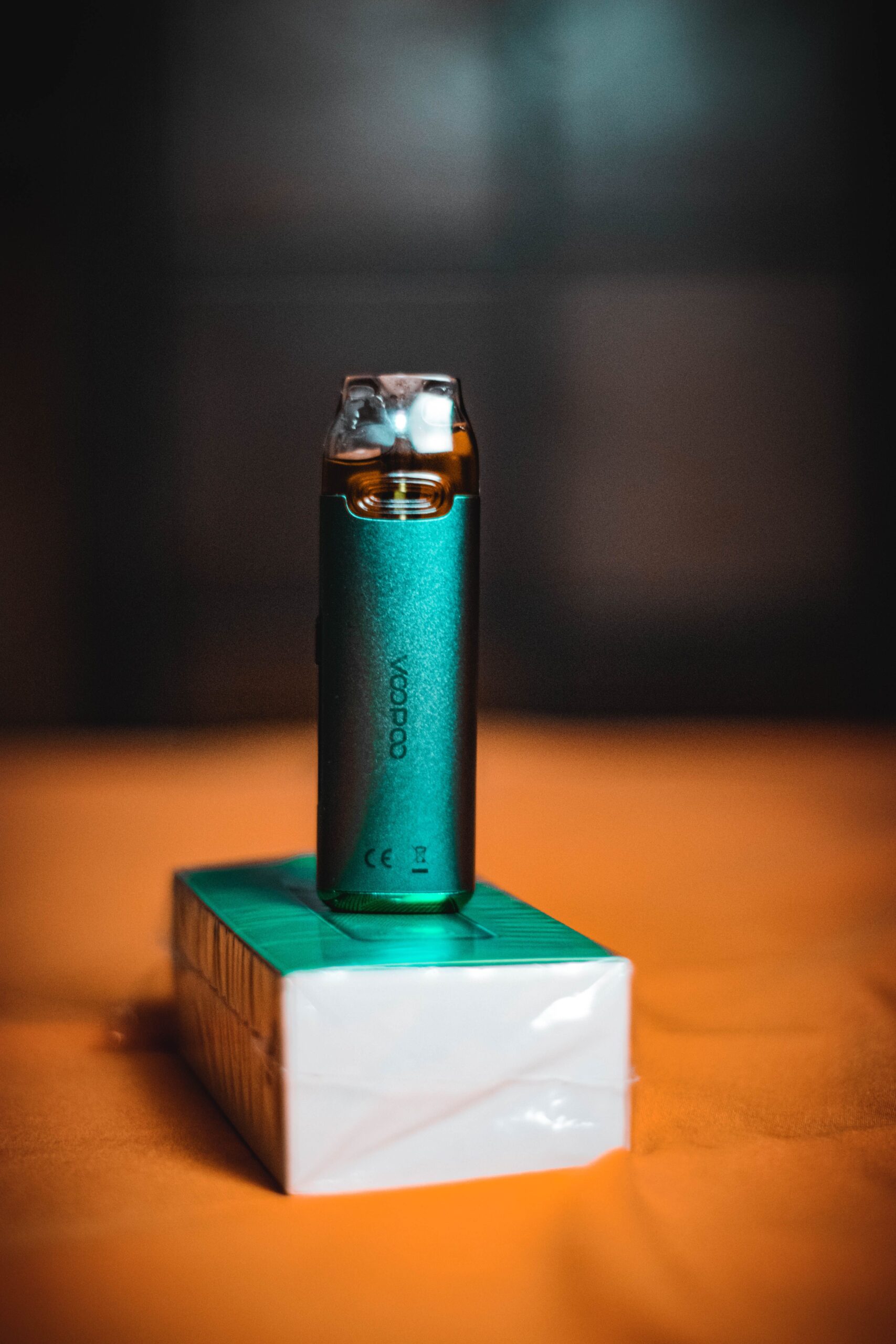
A vape is an electronic device designed to heat a substance and produce an aerosol that can be inhaled. Cannabis vape products commonly contain cannabis extracts or oils containing cannabinoids such as THC. Vape pens can be disposable or rechargeable, and some products are designed to work with replaceable cartridges.
Unlike traditional cannabis smoking, a vape does not necessarily involve burning dried cannabis flower. Instead, the device heats a cannabis-containing material so that cannabinoids can be inhaled. However, the fact that a product is used with a vape does not automatically make it risk-free.
The Centers for Disease Control and Prevention explains that cannabis can be consumed through electronic vaporizing devices and that cannabis oils and concentrates used in vaping can contain highly concentrated THC. These products may also contain additives or contaminants, depending on the source and manufacturing process.
The concentration of THC is particularly relevant when discussing vape use. Some cannabis concentrates contain considerably more THC than traditional cannabis flower. A person may therefore consume a relatively high amount of THC without realizing how much cannabis they are using over the course of a day.
This is one reason it is useful to think about vape use in terms of frequency, THC concentration, and overall consumption rather than simply asking whether a vape pen is small, convenient, or disposable.
Can You Withdraw From Weed Pens?
The question can you withdraw from weed pens is usually really a question about cannabis withdrawal. If a person regularly uses a THC-containing vape and then stops, they may experience withdrawal symptoms.
The symptoms are associated with stopping or significantly reducing cannabis use after repeated exposure. They are not necessarily unique to vape products. Someone who regularly consumes cannabis through smoking, vaping, or another method may experience withdrawal when they stop.
NIDA’s marijuana withdrawal information lists symptoms including craving, irritability, nervousness, depressed mood, anger, restlessness, sleep problems, reduced appetite, strange dreams, and headaches.
The experience is different for everyone. Frequency of use, THC concentration, length of use, individual biology, and previous experience with cannabis can all influence how cannabis affects a person. The CDC also notes that the effects of cannabis can vary depending on concentration, frequency of use, method of use, and other individual factors.
Therefore, a person who uses a THC vape occasionally may have a different experience from someone who uses a high-THC vape several times every day.
Why Can Vape Use Lead to Withdrawal?
To understand why withdrawal can happen, it helps to look at repeated cannabis exposure. THC is the main intoxicating cannabinoid in cannabis. When cannabis is used repeatedly, the body becomes accustomed to its effects.
A person who frequently uses a THC vape may begin to incorporate vaping into everyday routines. The vape may become associated with waking up, relaxing after work, social activities, entertainment, sleep routines, or dealing with boredom.
Over time, the behavior can become habitual. Some people may find themselves reaching for a vape without consciously deciding whether they actually want to use it.
The CDC describes cannabis use disorder as a condition in which a person may be unable to stop using cannabis despite experiencing health or social problems. Signs can include using more cannabis than intended, spending a lot of time using cannabis, or trying and failing to quit.
High-concentration THC products are also an important consideration. The CDC reports that some cannabis concentrates and vaping products can deliver high levels of THC, while researchers are still studying the full consequences of exposure to increasingly concentrated cannabis products.
This does not mean that every vape user will develop dependence or cannabis use disorder. It means that frequent and high-potency use can be an important factor when considering difficulty stopping.
Common Cannabis Vape Withdrawal Symptoms
Vape withdrawal can involve a combination of physical, emotional, behavioral, and sleep-related changes. Not everyone experiences the same symptoms, and symptoms can vary in intensity.
One of the most commonly discussed symptoms is irritability. Someone who regularly uses a THC vape may feel unusually impatient, frustrated, or short-tempered after stopping. This can be uncomfortable, especially when the person does not initially realize that the change may be connected to stopping cannabis.
Sleep problems are another common concern. A person may find it harder to fall asleep, wake up more frequently, or experience unusually vivid or strange dreams. Sleep disruption can then affect mood and concentration during the day.
Cravings may also occur. A person may strongly want to use a vape again, particularly during times or situations that were previously associated with cannabis use.
Changes in appetite can happen as well. Some people report reduced appetite after stopping cannabis, while others may experience different eating patterns.
Restlessness, nervousness, headaches, anger, and changes in mood have also been included among recognized cannabis withdrawal symptoms.
The important point is that withdrawal symptoms do not automatically mean that someone has a severe cannabis problem. However, repeated difficulty stopping or controlling use can be worth discussing with a healthcare professional.
How Long Does Vape Withdrawal Last?
There is no single timeline that applies to every person who stops using a cannabis vape.
Some people may notice changes relatively soon after stopping, while others may experience symptoms that develop or become more noticeable over the following days. The intensity and duration can depend on how frequently cannabis was used, how long the person had been using it, the THC concentration, and individual factors.
Older NIDA educational material describes cannabis withdrawal symptoms as generally mild for many people, with symptoms often peaking within a few days and gradually improving over roughly two weeks.
That timeline should not be treated as a guarantee. Individual experiences can vary, and people who have been using high-potency products frequently may have a different experience from occasional users.
Another important point is that withdrawal and cravings are not necessarily the same thing. Physical and emotional symptoms may improve while psychological cravings or habits remain.
For example, someone may no longer have sleep difficulties but still feel an urge to vape when they are bored or stressed. Changing those routines can be an important part of reducing cannabis use.
Does a THC Vape Cause More Withdrawal Than Other Cannabis Products?
It is not accurate to say that every vape product causes more withdrawal than every other cannabis product.
The method of consumption is only one part of the picture. THC concentration and frequency of use are particularly important considerations. Some vape oils and concentrates can contain highly concentrated THC, which can increase intoxicating effects and may contribute to greater risk of overconsumption.
For example, someone who takes a few low-dose cannabis products occasionally may have a very different pattern of exposure from someone who repeatedly uses a high-THC vape throughout the day.
The convenience of a vape can also influence behavior. A small vape pen can be easy to carry and use, which may make frequent consumption easier for some people.
This does not mean convenience automatically causes dependence. It simply means that accessibility and consumption patterns can influence how frequently someone uses cannabis.
Why High-THC Vape Products Deserve Extra Attention
THC concentration is an important part of any discussion about cannabis vape products.
The CDC notes that oils and concentrates used for vaping and dabbing often contain highly concentrated forms of THC. Researchers are still studying the consequences of exposure to these higher concentrations.
Higher THC concentration can produce stronger intoxicating effects. It can also make it easier for a person to consume more THC than expected.
For someone trying to reduce or stop cannabis use, understanding product potency can therefore be useful. A person who uses a high-potency vape frequently may have a different experience when stopping compared with someone who uses lower-potency cannabis less often.
This is also why labels and product information matter. Consumers should pay attention to THC content, ingredients, manufacturer information, and applicable local regulations rather than assuming that every vape product has the same composition.
Can You Become Dependent on a Weed Vape?
Repeated cannabis use can lead to cannabis use disorder in some people. Dependence and cannabis use disorder are not simply determined by whether someone owns or uses a vape pen.
The CDC reports that approximately three in ten people who use cannabis may have cannabis use disorder, although individual risk varies. The organization also identifies frequent use and starting during adolescence or youth as important risk factors.
Possible warning signs include using more cannabis than intended, repeatedly trying but failing to stop, spending significant time obtaining or using cannabis, or continuing to use despite problems.
Someone might also notice that cannabis use is interfering with work, education, relationships, finances, or everyday responsibilities.
If a person recognizes several of these patterns, it may be helpful to speak with a qualified healthcare professional rather than trying to interpret the situation alone.
What Happens When You Stop Using a Vape?
When someone stops using a THC vape after regular use, several changes may occur.
The first change may simply be the absence of the usual cannabis effects. If vaping was part of a daily routine, the person may also notice that certain moments feel different.
For example, someone who always used a vape before bed might suddenly have a different bedtime routine. Someone who used cannabis while watching television may find that the activity feels unusual without it.
Withdrawal symptoms may then appear. Irritability, cravings, sleep problems, restlessness, appetite changes, headaches, and unusual dreams are among the symptoms documented in cannabis withdrawal resources.
The psychological side can be just as important as the physical side. If vaping has become connected with particular environments or emotions, those triggers can create strong urges to use again.
Recognizing these triggers can help a person understand that cravings may be connected to learned routines as well as cannabis itself.
How to Manage Cannabis Vape Withdrawal
People experiencing mild cannabis withdrawal may find it useful to create a supportive environment while their routine changes.
A consistent sleep schedule can be helpful when sleep becomes difficult. Reducing late-day caffeine may also be worth considering if caffeine is making restlessness or insomnia worse.
Staying hydrated and maintaining regular meals can help keep daily routines stable when appetite changes.
Physical activity can also provide structure during the day. Walking, stretching, exercise, hobbies, reading, and spending time with supportive people can provide alternatives to the routine of reaching for a vape.
Another useful approach is identifying situations that trigger cravings. If someone typically uses a vape while watching a particular show, during a certain social activity, or when feeling stressed, changing that routine temporarily may make it easier to avoid automatic use.
SAMHSA guidance on cannabis dependence has described behavioral strategies, relaxation approaches, and support as useful components of managing cannabis-related difficulties.
If withdrawal feels severe, persistent, or difficult to manage, professional support is appropriate.
Can You Quit Weed Pens Without Medical Treatment?
Some people are able to stop cannabis use without medical treatment, particularly when use has been occasional or withdrawal symptoms are mild.
However, that does not mean everyone should handle the situation alone.
A person who has repeatedly tried to stop and returned to cannabis may benefit from professional guidance. The same applies to someone experiencing significant distress, major sleep disruption, serious mood changes, or difficulty functioning normally.
Cannabis use disorder is a recognized condition, and evidence-based behavioral treatment and recovery support can be appropriate for people experiencing significant problems related to cannabis use.
Professional support can also help identify other factors contributing to cannabis use. Stress, difficult routines, social environments, or other substance use may all influence a person’s experience.
The goal is not simply to endure withdrawal. The larger goal is to understand the pattern of use and find sustainable ways to manage life without relying on cannabis if stopping is the person’s objective.
When Should Someone Talk to a Healthcare Professional?
It may be a good idea to seek professional help when cannabis use is interfering with everyday life.
Someone should consider speaking with a healthcare professional if they cannot stop despite repeated attempts, are using more than intended, experience significant distress when trying to stop, or continue using cannabis despite problems at work, school, home, or in relationships.
Professional support is especially important when someone experiences severe psychological symptoms or has concerns about their safety.
Cannabis can affect memory, attention, decision-making, coordination, and reaction time, and THC is impairing.
People should also remember that cannabis withdrawal may not explain every symptom. New or severe symptoms should not automatically be attributed to stopping cannabis.
Vape Safety and Product Quality
Withdrawal is only one part of the conversation surrounding cannabis vape products. Product quality and contamination are also important considerations.
The CDC has reported that cannabis vaping products may contain concentrated THC, additives, or contaminants. The 2019 outbreak of vaping-associated lung injury in the United States was strongly linked to THC-containing vaping products that contained vitamin E acetate, although the chemistry and causes of vaping-related lung injury are complex.
This history highlights why consumers should be cautious about products from unknown or informal sources.
A label alone cannot always guarantee the contents of a vape product. Consumers should consider applicable local regulations, product testing information, ingredient information, and manufacturer transparency where available.
Anyone who develops concerning respiratory symptoms after vaping should seek medical attention rather than assuming that the symptoms are simply part of cannabis use or withdrawal.
Vape, Weed Pens, and Daily Habits
One of the biggest differences between occasional and frequent vape use can be the role the product plays in everyday life.
When a person uses a vape occasionally, it may remain a limited activity. With repeated daily use, vaping can become connected with ordinary activities.
The person may begin thinking about cannabis when waking up, eating, relaxing, socializing, studying, working, or going to sleep.
This creates a behavioral pattern that can continue even when the person wants to stop.
For someone trying to quit, changing the surrounding habits can therefore be just as important as dealing with the cannabis itself.
Replacing the old routine with another activity can help create a new association. The replacement does not have to be complicated. A walk, shower, phone call with a supportive friend, workout, hobby, or relaxing evening routine may provide a different way to handle the same situation.
Can You Withdraw From Weed Pens After Occasional Use?
The possibility of withdrawal is generally more relevant to regular or frequent cannabis use than occasional use.
That said, individual responses differ. A person who uses cannabis occasionally may still experience cravings or notice changes after stopping, but that does not mean they will necessarily experience a significant withdrawal syndrome.
The most important factors to consider include how often the person uses cannabis, how much THC is consumed, how long the pattern has continued, and whether the person has previously experienced difficulty stopping.
If someone is uncertain about their pattern of cannabis use, a healthcare professional can help assess the situation without relying on assumptions.
Can You Withdraw From Weed Pens If the Vape Contains CBD?
This question requires distinguishing CBD from THC.
CBD is a cannabinoid found in cannabis and hemp. Unlike THC, CBD itself is not considered intoxicating. However, products marketed as CBD can vary in composition, and some may contain THC or other substances.
The CDC warns that some products labeled as hemp or CBD may contain THC, pesticides, heavy metals, bacteria, fungi, or other ingredients.
Therefore, someone asking whether they can experience withdrawal from a CBD vape should first determine what the product actually contains.
If a vape contains meaningful amounts of THC and has been used frequently, cannabis-related withdrawal may be relevant.
If the product contains only CBD, the situation is different, and the evidence surrounding withdrawal is not the same as it is for regular THC use.
Is Vape Withdrawal Dangerous?
Cannabis withdrawal is generally not considered medically dangerous for most people in the same way that withdrawal from certain other substances can be.
However, that does not mean it should always be ignored.
Withdrawal can be uncomfortable and may affect sleep, mood, appetite, concentration, and daily functioning. For someone with underlying mental health concerns, other substance use, or significant cannabis use, professional support may be appropriate.
SAMHSA educational material notes that cannabis withdrawal symptoms are usually not severe for many people and can often be managed with behavioral strategies, while also recommending additional help when symptoms are severe or difficult to manage.
Anyone experiencing severe or unusual symptoms should seek medical advice rather than assuming the symptoms are caused by vape withdrawal.
How to Recognize a Problematic Vape Pattern
A problematic pattern is not determined by how expensive the vape is, how often a cartridge is purchased, or whether the product is disposable.
Instead, it is more useful to look at behavior and consequences.
Ask yourself whether you use more than planned. Consider whether you have tried to reduce your vape use but repeatedly returned to it. Think about whether cannabis is taking up a large amount of your time or interfering with important responsibilities.
It can also be useful to ask whether you continue using cannabis even when it causes problems in relationships, education, work, finances, or daily activities.
These questions are more meaningful than simply counting how many times someone holds a vape during the day.
The CDC identifies difficulty controlling use and unsuccessful attempts to quit among signs associated with cannabis use disorder.
How to Make a Vape Reduction Plan
Someone who wants to reduce cannabis use can start by observing their current pattern.
Write down when the vape is normally used and what is happening immediately beforehand. The goal is not to judge the behavior but to identify patterns.
A person may discover that they vape mostly when stressed, bored, lonely, tired, or socializing with certain people.
Once the triggers are clear, alternative activities can be prepared in advance.
It can also help to create vape-free periods and avoid situations where cannabis use is automatic. Some people prefer gradual reduction, while others choose to stop completely. The most appropriate approach can depend on the individual and may be worth discussing with a healthcare professional.
Support from trusted people can also make the process easier.
If someone slips and uses cannabis again, that does not automatically mean the entire effort has failed. It can be treated as information about what trigger or situation needs additional attention.
Why Understanding THC Concentration Matters
When discussing vape products, THC concentration should never be overlooked.
A vape cartridge containing a concentrated cannabis extract can provide a different exposure pattern from traditional cannabis flower. The CDC notes that vaping concentrates can deliver high levels of THC and that high-concentration products may have stronger intoxicating effects.
This can matter for people who are trying to understand why their cannabis use has become more frequent.
A person may initially think they are using only a small vape pen. However, the physical size of the device does not tell the whole story. The amount and concentration of THC are more informative.
Consumers should therefore read available product information carefully and avoid assuming that a small or discreet vape is automatically a low-dose product.
FAQs
Can you withdraw from weed pens?
Yes, some people can experience cannabis withdrawal after stopping regular use of THC-containing weed pens. Symptoms can include irritability, cravings, sleep problems, restlessness, appetite changes, headaches, and unusual dreams. The experience varies according to factors such as frequency of use, THC concentration, duration of use, and individual differences.
How long does weed pen withdrawal last?
The duration varies from person to person. Some cannabis withdrawal symptoms can begin after regular use is stopped and may become more noticeable during the following days. NIDA educational information describes symptoms as generally mild for many people and gradually improving within about two weeks, although individual experiences can differ.
Can a high-THC vape increase the risk of dependence?
High-THC products can deliver concentrated amounts of THC, and frequent cannabis use is associated with a greater risk of cannabis use disorder. However, using a high-THC vape does not mean that a person will automatically develop dependence. Individual patterns and circumstances matter.
What are common symptoms after stopping a cannabis vape?
Commonly reported symptoms include irritability, nervousness, restlessness, cravings, sleep difficulties, reduced appetite, unusual dreams, anger, depressed mood, and headaches. Not everyone experiences all of these symptoms, and their intensity can vary.
When should someone get help for vape withdrawal?
Professional help may be appropriate when someone repeatedly tries to stop but cannot, experiences significant distress, has severe or persistent symptoms, or finds that cannabis use is interfering with daily life. A qualified healthcare professional can help determine whether cannabis use disorder or another issue may be involved and discuss appropriate support options.
Final Thoughts on Vape Use and Withdrawal
The question can you withdraw from weed pens is important because vape products can make cannabis consumption convenient and, for some people, very frequent. Withdrawal is generally connected to repeated cannabis exposure rather than the physical vape pen itself. People who regularly use THC-containing vape products may experience changes such as cravings, irritability, sleep difficulties, restlessness, appetite changes, and unusual dreams after stopping.
The experience is not identical for everyone. Frequency of use, THC concentration, duration of use, personal circumstances, and other factors can all influence what happens after stopping. High-concentration cannabis products deserve particular attention because they can deliver substantial amounts of THC and may make frequent use easier for some people.
Vape products also deserve careful consideration from a product-safety perspective. Cannabis vaping has been associated with serious lung injuries, particularly during the 2019 EVALI outbreak, and the CDC continues to highlight concerns surrounding THC vaping products, additives, and contaminants.
For someone who wants to reduce or stop cannabis use, understanding personal triggers, changing routines, building supportive habits, and seeking professional assistance when necessary can be useful steps.
Most importantly, withdrawal symptoms should not be used as a reason to panic or as proof that someone has a serious disorder. At the same time, repeated inability to control cannabis use is something worth taking seriously. If cannabis or vape use is interfering with everyday life, relationships, work, education, or wellbeing, speaking with a qualified healthcare professional can provide personalized guidance.
Understanding how vape products work, how THC exposure can vary, and what cannabis withdrawal may look like gives consumers better information for making informed choices about their own use.