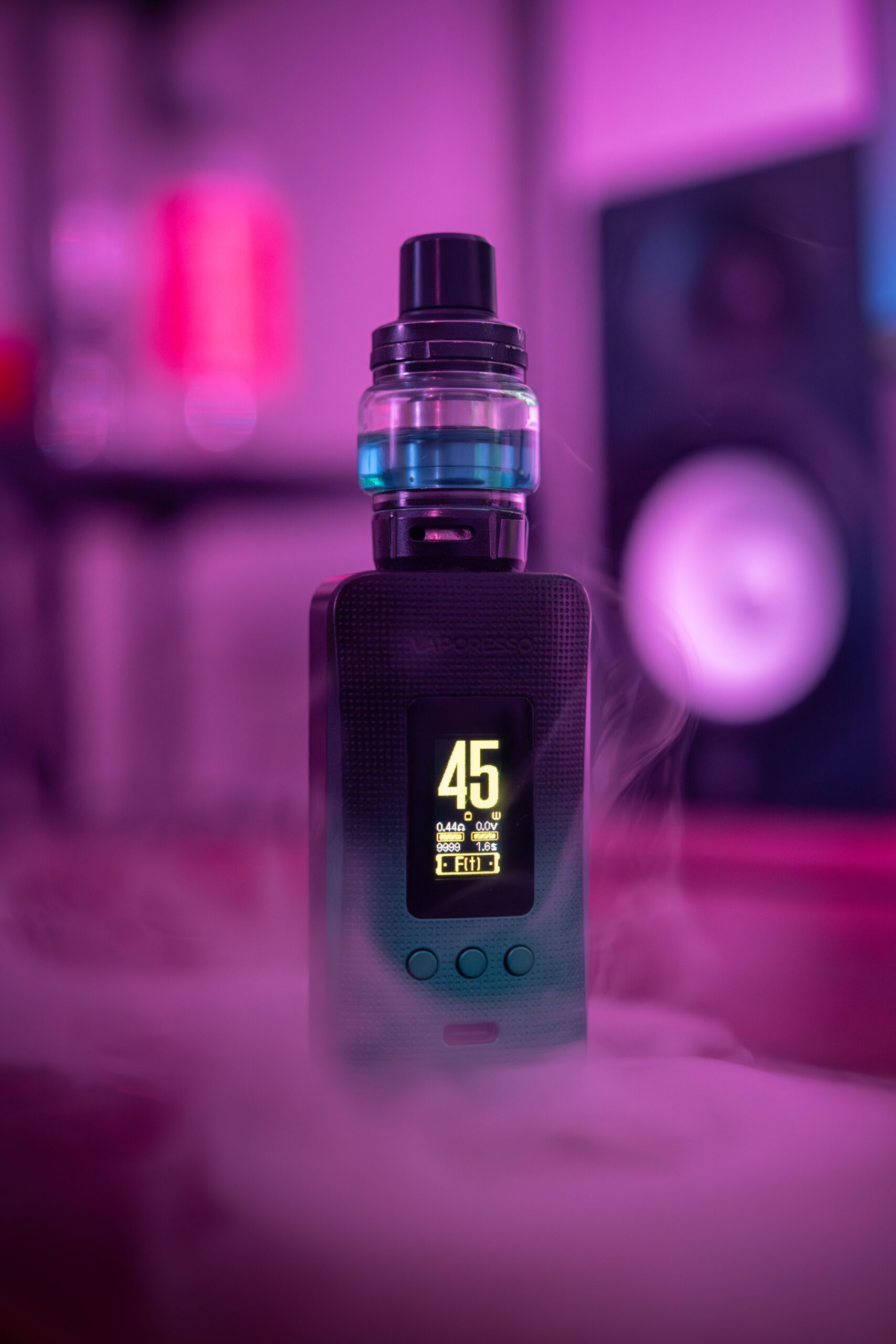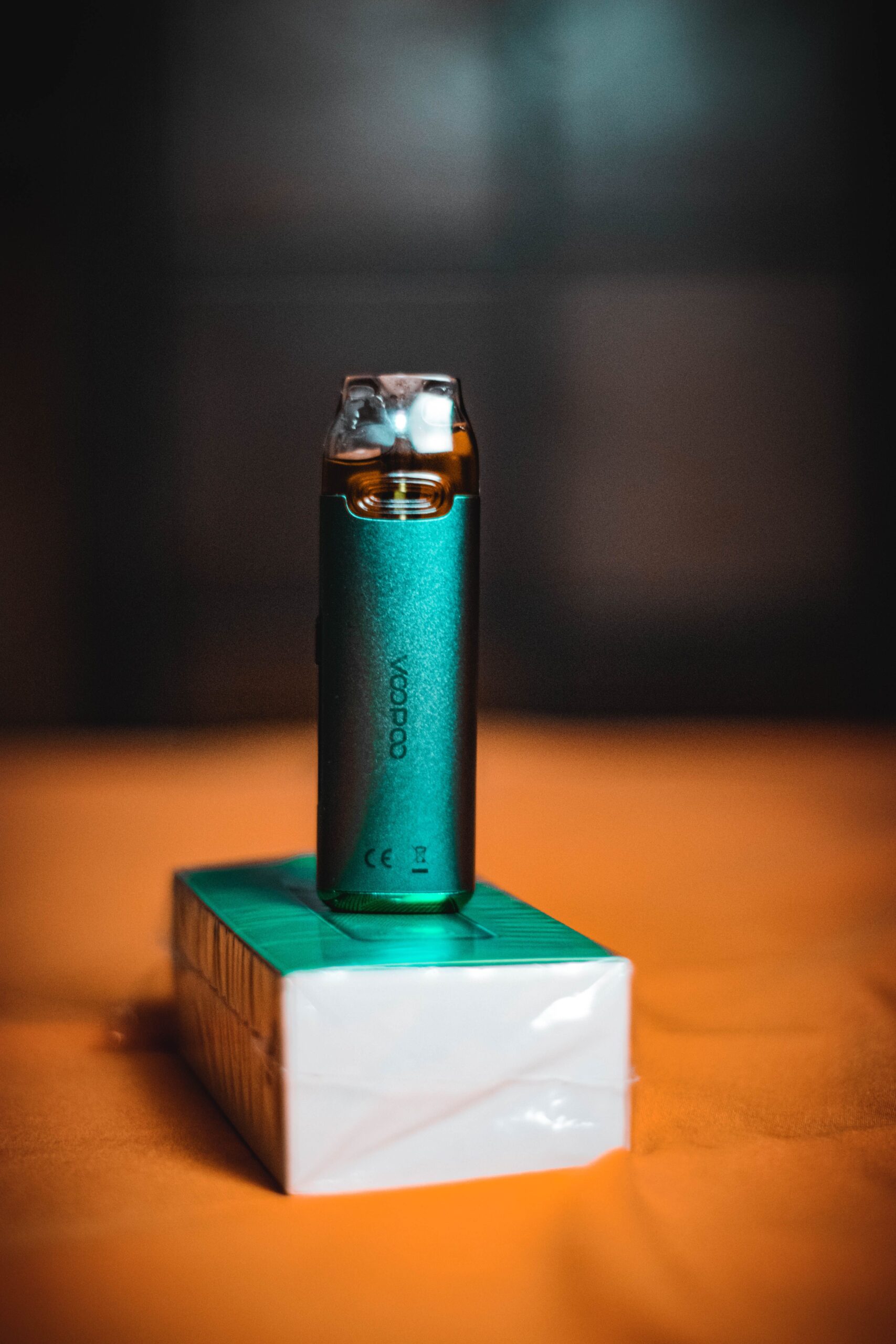
Vape pens have become a popular way to consume cannabis because they are small, portable, and easy to use. Unlike traditional cannabis smoking, vaping heats cannabis oil or another cannabis preparation to create an aerosol that is inhaled. This difference has led many people to ask an important question before choosing a vape product: are weed pens safe?
The short answer is that weed pens should not automatically be considered safe simply because they produce vapor instead of smoke. Cannabis vaping has its own potential risks, and those risks can vary considerably depending on the product, ingredients, THC concentration, device, manufacturing standards, and source of the product.
The Centers for Disease Control and Prevention (CDC) notes that cannabis products can carry health risks regardless of how they are used. Cannabis oils and concentrates used for vaping can contain highly concentrated THC and may contain additives or contaminants. The CDC also notes that vaping has been associated with lung injury.
So, are weed pens safe for everyone? No. There is not enough evidence to describe cannabis vape pens as completely risk-free. People who are considering cannabis vaping should understand what is inside the product, how the product was manufactured, what THC concentration it contains, and what warning signs may indicate a problem.
This guide looks at the question from a health and consumer-safety perspective. It explains how weed pens work, why some people consider vaping different from smoking, the risks associated with contaminated or poorly made products, THC potency, lung concerns, product quality, and important warning signs to recognize.
What Are Weed Pens?
Weed pens, also called cannabis vape pens or THC vape pens, are electronic devices designed to heat cannabis oil, concentrate, or another cannabis preparation so that the user can inhale the resulting aerosol.
A typical vape pen has a battery, a heating element, and a cartridge or chamber containing cannabis oil or concentrate. When the device is activated, the heating element warms the material. The resulting aerosol is then inhaled.
The simplicity of the device is one reason vape pens have become popular. Many products are compact and designed to be used without the preparation associated with traditional cannabis consumption.
However, understanding how a vape pen works is important when considering the question are weed pens safe. The device itself is only one part of the equation. The contents of the cartridge, manufacturing process, contaminants, potency, and temperature can all affect the potential risks associated with vaping.
Some cannabis vape products contain THC, the primary intoxicating cannabinoid in cannabis. Others may contain CBD or different cannabinoid formulations. The effects and risks can therefore vary from product to product.
Another important consideration is that vaping does not simply produce harmless water vapor. Electronic vaping aerosols can contain substances that may be harmful or potentially harmful, depending on the product and its ingredients.
Are Weed Pens Safe Compared With Smoking Cannabis?
One of the most common reasons people ask are weed pens safe is because they assume vaping must be safer than smoking.
There is an important distinction here. Smoking cannabis involves combustion, which produces smoke containing many compounds generated by burning plant material. Vaporization heats a cannabis preparation instead of burning it in the same way. A 2024 review of cannabis vaporization found that vaporization can reduce some respiratory risks associated with combustion, but it also emphasized that not all cannabis vaping products or devices have the same level of risk.
That does not mean vaping cannabis is harmless.
The safety profile of a vape product depends heavily on what is being heated and inhaled. A poorly manufactured cartridge, contaminated oil, inappropriate additive, or highly concentrated THC product can introduce risks that are different from those associated with smoking.
Therefore, comparing smoking and vaping as simply “unsafe” versus “safe” is misleading. A more useful question is what specific exposures each method creates and what is known about those exposures.
The CDC currently states that scientists do not have enough evidence to conclude that one method of cannabis use is universally safer than another. Cannabis oils and concentrates used for vaping can contain concentrated THC, additives, or contaminants, and vaping has been linked with lung injury.
So when asking are weed pens safe, it is better to think in terms of risk rather than a simple yes-or-no label.
Why Product Ingredients Matter
The contents of a cannabis vape cartridge are central to the question are weed pens safe.
A cartridge may contain cannabis extract, but the overall formulation can also involve other substances. Depending on the product and jurisdiction, these may include carrier substances, flavoring compounds, or other additives.
The concern is not simply whether an ingredient is considered safe to eat or apply to the skin. Inhalation is a different route of exposure. A substance that is acceptable in food or cosmetics may not have the same safety profile when heated and inhaled.
This became particularly important during the outbreak of e-cigarette or vaping product use-associated lung injury, commonly called EVALI. FDA and CDC investigations found vitamin E acetate in many THC-containing vaping products associated with the outbreak. FDA has stated that vitamin E acetate should not be added to vaping products.
This history demonstrates why consumers should not assume that every ingredient used in a vape cartridge is suitable for inhalation.
It also explains why buying from informal or unverified sources can create additional uncertainty. When the manufacturing process, ingredient list, testing, or storage conditions cannot be verified, it becomes more difficult to determine what a person is actually inhaling.
Are Weed Pens Safe When THC Concentration Is High?
Another major issue when considering are weed pens safe is THC concentration.
Cannabis concentrates used in vape products can contain much higher levels of THC than traditional cannabis flower. Higher THC concentration can mean stronger effects from a smaller amount of product.
The CDC notes that highly concentrated forms of THC used in vaping and dabbing are associated with risks that are not fully understood and may be associated with a higher risk of cannabis use disorder.
THC can also affect attention, memory, decision-making, and reaction-related abilities. These effects are especially important when someone is driving, operating machinery, or performing another activity that requires full attention.
A person who is unfamiliar with high-potency cannabis products may also find the effects stronger than expected.
This is why potency information should be taken seriously when evaluating a cannabis vape product. A higher THC percentage does not automatically mean a better product. It simply indicates a more concentrated source of THC.
People should also remember that product labels may vary in accuracy depending on manufacturing and testing standards. This makes reliable laboratory testing and transparent labeling important parts of evaluating product quality.
The Importance of Product Testing
When people ask are weed pens safe, product testing is one of the most useful areas to investigate.
Testing can help identify the cannabinoid content of a product and may also identify certain contaminants. Depending on local regulations and laboratory practices, testing can involve screening for pesticides, heavy metals, solvents, microbial contamination, and other substances.
However, consumers should understand that a laboratory report does not automatically guarantee that a product is risk-free. Testing has limitations, and standards can vary by jurisdiction.
A product from a regulated market may be subject to requirements that do not apply to products sold through informal channels. This distinction can be important because consumers may have little information about the manufacturing conditions or contents of an unverified cartridge.
The FDA has specifically advised consumers to avoid THC-containing vaping products obtained from informal sources and has warned against modifying or adding substances to vaping products.
Therefore, when evaluating are weed pens safe, consumers should consider whether the product has transparent labeling, appropriate testing information, manufacturer details, and a clear supply chain.
Are Weed Pens Safe From Contaminants?
Contamination is one of the most important reasons that the answer to are weed pens safe cannot simply be “yes.”
Cannabis vape oils and concentrates can potentially become contaminated during cultivation, extraction, manufacturing, filling, storage, or handling.
Potential contaminants can include pesticides, solvents, heavy metals, microbes, or unwanted additives. The exact risks depend on the product and production process.
Hardware can also matter. A cartridge or heating element may introduce substances into the aerosol under certain conditions. Research into cannabis vaporization continues to examine how device design, temperature, formulation, and materials affect exposure.
The 2024 review of cannabis vaporization emphasizes that different devices and cannabis vaporization products can have different safety profiles.
This means consumers should avoid treating all weed pens as identical.
A reputable product should provide clear information about what it contains and should be manufactured under appropriate standards for the market in which it is legally sold.
The 2019 Vaping-Related Lung Injury Outbreak
The question are weed pens safe became particularly important after the 2019 outbreak of vaping-related lung injuries.
During the outbreak, thousands of people in the United States were hospitalized with EVALI, and deaths were reported. Investigations found a strong association between the outbreak and THC-containing vaping products, particularly products containing vitamin E acetate.
The CDC reported more than 2,800 emergency department visits and 68 confirmed deaths during the outbreak.
Vitamin E acetate is not inherently dangerous in every context. It can be used in certain foods, supplements, and topical products. The concern arose from inhalation exposure in vaping products. CDC information notes that research suggested inhaled vitamin E acetate could interfere with normal lung function.
The outbreak is an important reminder that the safety of an inhaled product depends on its intended route of administration.
It also highlights why consumers should never assume that a product is safe simply because its ingredients are familiar or commonly used in other products.
Can Weed Pens Cause Lung Problems?
When considering are weed pens safe, lung health deserves particular attention because vaping involves inhaling an aerosol directly into the respiratory system.
Some cannabis vaping products have been associated with lung injury. The risk can be influenced by the contents of the cartridge, contaminants, additives, and other factors.
The CDC states that vaping has been linked to lung injury and that oils and concentrates may contain additives or contaminants.
Not every person who uses a cannabis vape product will experience a lung problem, and the presence of a vape cartridge does not mean lung injury will occur. However, the possibility of respiratory harm is one reason it is inappropriate to describe weed pens as completely safe.
Anyone who develops concerning respiratory symptoms after using a vaping product should take those symptoms seriously rather than assuming they are a normal effect of cannabis.
Warning Signs to Watch For
Understanding warning signs is another important part of answering are weed pens safe.
Symptoms that deserve medical attention can include persistent coughing, difficulty breathing, chest pain, unusual shortness of breath, or other significant respiratory symptoms after vaping.
The FDA has specifically advised people who experience symptoms such as cough, shortness of breath, or chest pain after using THC-containing vaping products to seek medical attention if they are concerned about their health.
A person should not attempt to diagnose a serious respiratory problem at home based solely on the assumption that symptoms are caused by cannabis.
If symptoms are severe or rapidly worsening, urgent medical care may be appropriate.
The safest approach is to stop using the suspected product and seek professional medical advice when significant symptoms occur.
Are Weed Pens Safe for Young People?
The question are weed pens safe has a different answer for young people because the developing brain can be particularly vulnerable to the effects of psychoactive substances.
The CDC advises that cannabis can affect memory, attention, decision-making, and other functions. It also recommends that young people avoid cannabis and vaping products.
For this reason, cannabis vape products should not be viewed as harmless alternatives simply because the device is small or discreet.
The appearance of a vape pen can also make it easier to underestimate the amount of THC being consumed. Some concentrated products can deliver substantial amounts of THC in relatively small quantities.
Parents, educators, and young adults should understand that the lack of smoke or strong odor does not mean that vaping is without health or impairment-related risks.
Are Weed Pens Safe During Pregnancy?
Pregnancy is another situation where the question are weed pens safe requires a clear and cautious answer.
Cannabis exposure during pregnancy can present potential concerns, and public-health agencies advise against cannabis use during pregnancy.
Vaping does not remove those concerns simply because the cannabis is vaporized rather than smoked.
Pregnant individuals should speak with a qualified healthcare professional about cannabis use and possible alternatives for managing any symptoms or medical conditions.
The same principle applies to breastfeeding and other situations where cannabinoids may potentially affect an infant. Professional medical guidance is more appropriate than assuming a vape pen is harmless.
How Device Quality Can Affect Vape Safety
The quality of the hardware is another part of the answer to are weed pens safe.
A vape pen is an electronic device that heats material to create an inhalable aerosol. Its performance can therefore depend on the battery, heating element, cartridge, airflow, and materials used in construction.
A defective battery can create physical hazards, while poorly designed heating systems may affect the temperature at which the oil is vaporized.
Overheating may also alter the composition of the aerosol. This is one reason consumers should avoid modifying vape hardware or attempting to refill disposable devices in ways not intended by the manufacturer.
FDA guidance specifically advises consumers not to modify or add substances to vaping products.
Using a product according to its manufacturer instructions is therefore an important basic safety consideration.
Why Informal Vape Products Can Be Riskier
The source of a product matters significantly when considering are weed pens safe.
Products obtained from informal sellers may not have reliable ingredient information, standardized manufacturing, or independent laboratory testing. Consumers may also have difficulty determining whether the product has been stored properly or whether the packaging has been altered.
The CDC and FDA have specifically warned against THC-containing vaping products obtained from informal sources.
This does not mean that every product from an informal source will necessarily cause harm. It means that the consumer has less ability to verify what the product contains and how it was made.
Transparency is therefore important.
A regulated product with clear labeling and testing information gives consumers more information than an anonymous cartridge with no manufacturer details.
Are Weed Pens Safe If They Are Labeled “Natural”?
Words such as “natural,” “organic,” or “pure” should not automatically be interpreted as proof of inhalation safety.
The term “natural” describes the origin or marketing presentation of an ingredient, not necessarily its safety when heated and inhaled.
Cannabis extracts can be highly concentrated, and their effects can differ from those of the original plant material.
The same principle applies to flavoring ingredients. A substance that is suitable for food consumption is not automatically proven safe for inhalation.
Consumers should therefore look beyond marketing language when considering are weed pens safe.
Ingredient transparency, testing information, manufacturing standards, and regulatory compliance are more meaningful factors than promotional descriptions alone.
Are Weed Pens Safe for People Who Already Use Cannabis?
For adults who already use cannabis, the question are weed pens safe may involve comparing different methods of consumption.
People may choose vaping because it is convenient, discreet, or easier to use than other methods. However, convenience should not be confused with safety.
The effects of cannabis depend on several factors, including THC concentration, frequency of use, previous experience, biological factors, and whether cannabis is used alongside other substances.
Highly concentrated products can produce stronger effects and may increase the likelihood of unwanted experiences.
Using cannabis with alcohol or other substances can also change the overall risk profile.
People should also remember that THC can impair judgment and reaction-related abilities. Operating a vehicle or machinery after using an intoxicating cannabis product can create significant safety concerns.
The Difference Between “Lower Risk” and “Safe”
One of the most important concepts when discussing are weed pens safe is the difference between lower risk and no risk.
A product may potentially expose someone to fewer combustion-related chemicals than smoking cannabis while still carrying other risks.
Similarly, a product that has undergone laboratory testing may offer more information than an untested cartridge, but testing does not make it risk-free.
This distinction is particularly important because consumers often look for a simple yes-or-no answer.
A more accurate approach is to ask several questions.
What is in the cartridge?
How concentrated is the THC?
Has the product been tested?
Where did it come from?
Was it manufactured under applicable regulations?
Has the product been modified?
Are there any unusual symptoms after use?
These questions provide a much more useful framework for evaluating cannabis vape safety.
How to Approach Cannabis Vape Safety Responsibly
Anyone considering a cannabis vape product should start by understanding the product rather than relying entirely on advertising.
Look for clear information about the manufacturer, ingredients, cannabinoid content, and applicable testing.
Avoid products with unclear contents or suspicious packaging.
Do not add oils, vitamin E acetate, flavoring agents, or other substances that are not specifically intended for the device.
Do not modify a cartridge or disposable vape in an attempt to change its performance.
Do not use a product that appears damaged, leaking, unusually discolored, or otherwise abnormal.
If a product produces an unusual chemical smell, unexpected irritation, or other concerning effect, stop using it and seek appropriate advice.
These steps cannot make vaping completely safe, but they can help reduce uncertainty about the product and avoid some preventable risks.
What About CBD Vape Pens?
The question are weed pens safe is often associated with THC, but CBD vape products deserve separate consideration.
CBD is different from THC because it generally does not produce the same intoxicating effects. However, the fact that a product contains CBD does not automatically make inhalation risk-free.
The quality of the vape formulation still matters. Contaminants, additives, device materials, and manufacturing problems can affect what a person inhales.
Consumers should therefore apply the same basic principles of product transparency and testing to CBD vape products.
It is also important to distinguish between CBD products and products that contain THC or other cannabinoids. Labels should be read carefully because formulations can vary.
Are Disposable Weed Pens Safe?
Disposable weed pens are designed to be used until the product or battery is depleted and then discarded.
Their convenience can make them appealing, but convenience does not automatically answer are weed pens safe.
Consumers should still consider the contents, manufacturer, testing, battery quality, and regulatory status of the product.
Disposable products may also create environmental waste because the device contains electronic components and a battery.
Another issue is that consumers may have less control over a disposable product than a refillable system. Once manufactured, the user generally cannot inspect or change the internal components.
The safest consumer approach is to use products only as intended and avoid attempting to open, refill, modify, or alter disposable devices.
Are Weed Pens Safe for Long-Term Use?
There is still much researchers need to learn about the long-term effects of cannabis vaping.
The CDC notes that scientists continue to study the short- and long-term health effects of vaping products.
Cannabis itself also has a range of potential health effects, and frequent or high-potency THC use can be associated with cannabis use disorder and other adverse outcomes.
Because long-term evidence is still developing, it would be inappropriate to describe regular cannabis vaping as completely safe over many years.
This uncertainty is especially relevant for newer formulations, high-potency concentrates, and products with limited independent research.
Consumers should be cautious about claims that suggest a particular vape product has been proven harmless for long-term use when the available evidence does not support that conclusion.
Are Weed Pens Safe If the Product Is Legal?
Legality and safety are related but not identical concepts.
A product can be legally sold in a particular jurisdiction while still carrying health risks.
Regulation can provide consumers with important protections, including labeling, manufacturing standards, testing requirements, packaging rules, and age restrictions. However, regulation does not eliminate all possible health risks.
The rules governing cannabis products differ considerably between jurisdictions.
Therefore, someone researching are weed pens safe should consider both the applicable legal framework and the health information available for the product.
Consumers should also follow local laws concerning possession, purchase, use, transportation, and age restrictions.
What Consumers Should Look for on a Cannabis Vape Label
A clear label can provide useful information when evaluating are weed pens safe.
Consumers may want to check the product name, manufacturer information, cannabinoid content, THC concentration, ingredient information, batch or lot number, expiration information where applicable, and laboratory testing details.
A credible product should not need to hide basic information from consumers.
If the packaging makes extraordinary medical claims, promises guaranteed effects, or provides little information about the contents, consumers should approach those claims carefully.
Health claims about cannabis should be supported by reliable evidence rather than marketing language.
Common Misunderstandings About Weed Pens
One common misunderstanding is that vaping produces only harmless water vapor. In reality, vaping creates an aerosol, and that aerosol can contain potentially harmful substances depending on the product.
Another misunderstanding is that higher THC automatically means higher quality. Potency and quality are not the same thing.
A third misunderstanding is that legal products are completely safe. Regulation can reduce certain risks and improve transparency, but it does not eliminate the inherent effects and risks associated with THC or inhalation.
Some people also believe that a familiar ingredient must be safe to inhale. This is not necessarily true because substances can behave differently when heated and inhaled.
Finally, some consumers believe that all vape cartridges are essentially identical. In reality, products can vary substantially in formulation, potency, hardware, manufacturing practices, and testing.
Are Weed Pens Safe? A Practical Way to Think About the Question
So, are weed pens safe?
A responsible answer is that weed pens cannot be considered completely safe or risk-free.
There are several different factors to consider, including the cannabis itself, THC concentration, ingredients, contaminants, device design, manufacturing quality, and individual circumstances.
Research suggests that vaporization can reduce some risks associated with combustion, but cannabis vaping still has potential risks, and not all vape products have the same safety profile.
The 2019 EVALI outbreak also demonstrated that contaminated THC vaping products can cause serious lung injury. Vitamin E acetate was strongly associated with the outbreak, which is why health authorities have warned against its use in vaping products.
For consumers, the most important takeaway is to avoid assuming that a vape pen is safe simply because it is convenient, modern, discreet, or marketed as clean.
FAQs
Are weed pens safe to use?
The evidence does not support calling weed pens completely safe. Cannabis vaping can involve risks related to THC, concentrated cannabis oils, contaminants, additives, device components, and lung exposure. Some forms of vaporization may reduce certain risks associated with combustion, but that does not mean vaping is risk-free.
Are weed pens safer than smoking cannabis?
Vaporization can reduce some respiratory risks associated with combustion, according to a review of cannabis vaporization. However, different vape products and devices have different risk profiles, and health authorities have identified risks associated with contaminated THC vaping products. Therefore, vaping should not automatically be described as completely safe or universally safer.
Can weed pens cause lung problems?
Yes, cannabis vaping has been associated with lung injury. The 2019 EVALI outbreak was strongly associated with THC-containing vaping products, particularly products containing vitamin E acetate. Anyone experiencing significant respiratory symptoms after vaping should seek appropriate medical attention.
What makes a weed pen potentially risky?
Potential concerns include highly concentrated THC, unknown ingredients, contaminants, inappropriate additives, poor manufacturing practices, damaged hardware, and products obtained from informal sources. The FDA and CDC specifically advise against THC-containing vaping products obtained from informal sources and against modifying or adding substances to vaping products.
What should I do if I feel sick after using a weed pen?
Stop using the product and pay attention to your symptoms. Cough, shortness of breath, chest pain, or other significant respiratory symptoms after vaping should not be ignored. The FDA advises people concerned about their health after using THC-containing vaping products to seek medical attention.
Conclusion
The question are weed pens safe does not have a simple yes-or-no answer, but the available evidence makes one point clear: cannabis vape pens should not be treated as completely risk-free.
Vaping may avoid some of the combustion products created when cannabis is smoked, but it introduces other considerations. The contents of the cartridge, THC concentration, additives, contaminants, device design, manufacturing standards, and source of the product can all influence the potential risks.
The 2019 EVALI outbreak showed how serious the consequences of contaminated vaping products can be. Vitamin E acetate was strongly associated with the outbreak, and public-health authorities continue to advise consumers to avoid THC vaping products from informal sources and to avoid modifying or adding substances to vaping products.
Consumers should therefore focus on transparency and reliable information rather than marketing promises. Product labeling, testing information, manufacturer details, and applicable regulatory standards can help people make more informed decisions.
It is also important to recognize that THC itself can cause impairment and that cannabis use carries risks regardless of the method of consumption. High-potency products may create additional concerns, particularly with frequent use.
Ultimately, asking are weed pens safe is the right starting point, but a better approach is to ask what is known about a specific product, what it contains, how it was manufactured, and what risks are associated with its use.
For anyone experiencing concerning symptoms after vaping, particularly breathing difficulties or chest pain, professional medical advice should take priority over online product information.
For general cannabis product information and consumer education, visit Top Cannabis Outlet and always consider applicable local laws and health guidance before making decisions about cannabis products.