Description
White Widow Strain | Overview, Characteristics & Strain Information
White Widow Strain Overview
White Widow Strain is a well-known cannabis cultivar recognized for its distinctive appearance and long-standing popularity within cannabis culture. The flowers are commonly associated with a noticeable coating of resinous trichomes, which contributes to the name “White Widow.” Its reputation has made it a frequently discussed cultivar among cannabis enthusiasts and strain researchers.
What Strain Is White Widow?
So, what strain is White Widow? White Widow is generally described as a hybrid cannabis strain with genetics traditionally associated with South Asian and South American landrace varieties. It became particularly recognized in the Netherlands during the 1990s and has since influenced numerous modern hybrid cultivars.
Key Characteristics of White Widow Strains
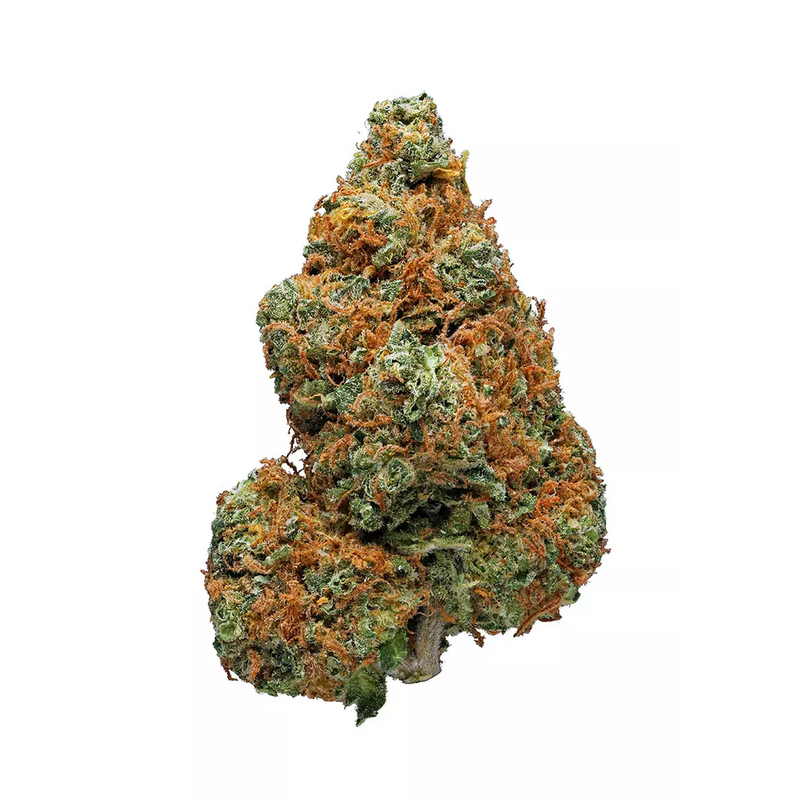
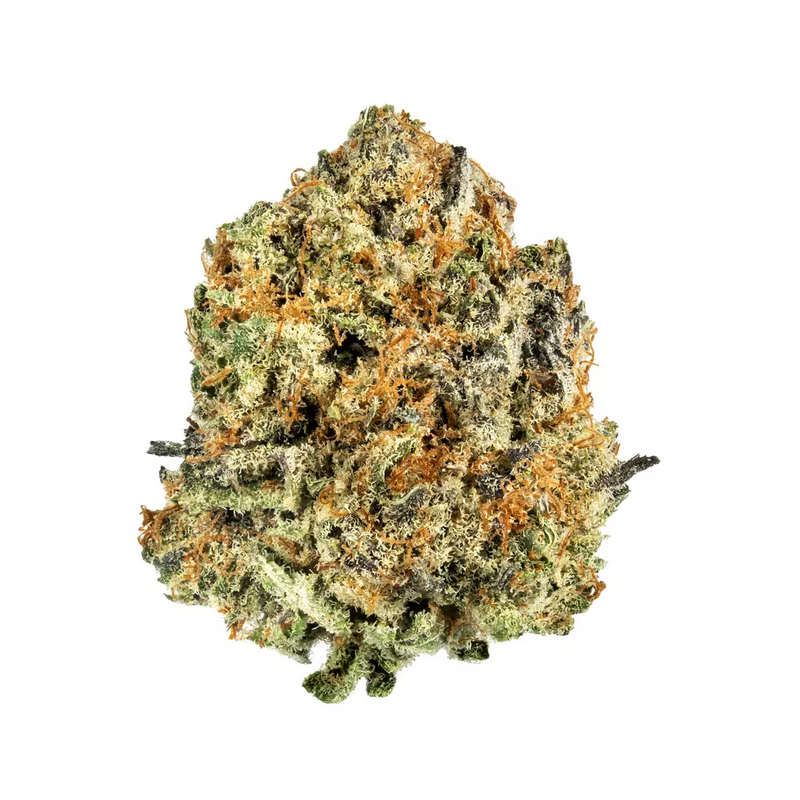
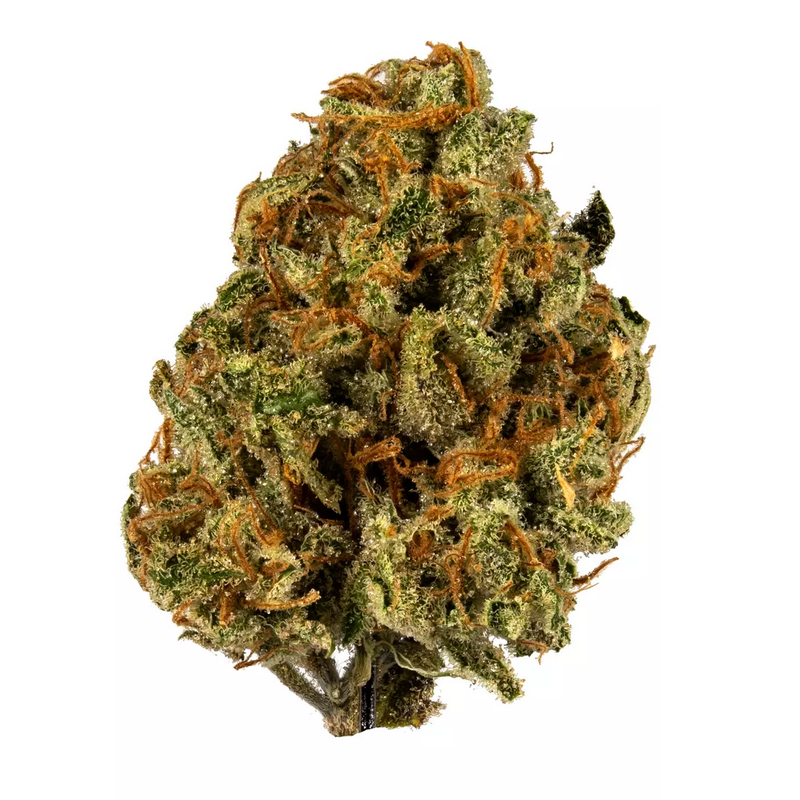
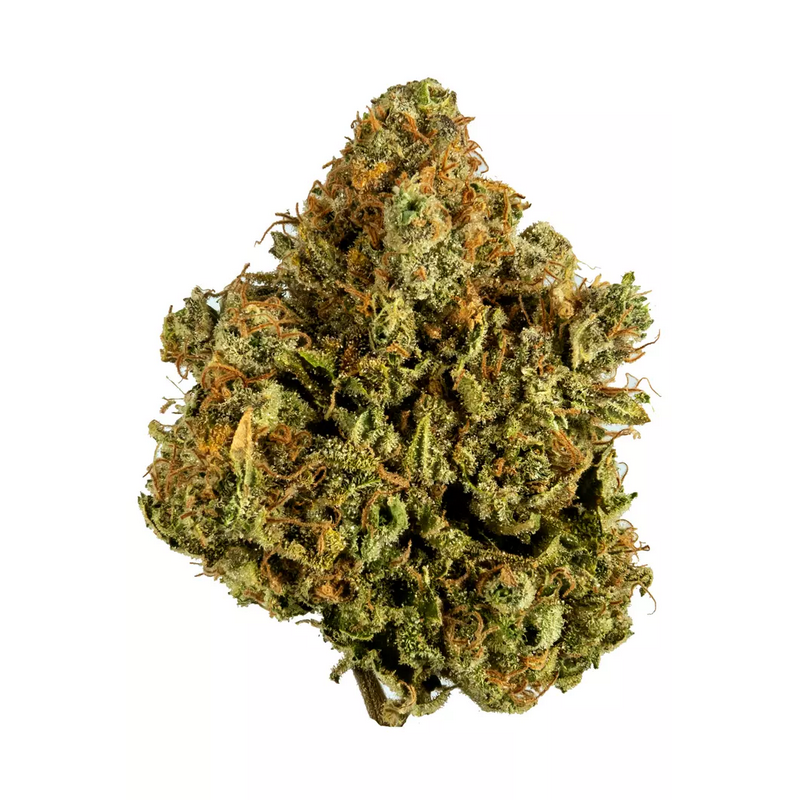
Different White Widow strains may vary depending on breeding, cultivation methods, and lineage. However, White Widow is commonly characterized by dense flowers, prominent trichome coverage, and a combination of earthy, woody, herbal, and sometimes citrus-like aromatic notes.
Appearance
White Widow flowers are typically noted for their frosty appearance. Abundant trichomes can create a pale or “white” visual effect across the surface of the buds.
Aroma and Flavor Profile
The cultivar is often associated with earthy and herbal aromas, sometimes accompanied by woody, spicy, or citrus-like notes. Individual examples can differ considerably depending on genetics and growing conditions.
White Widow Max Strain
The term White Widow Max Strain can refer to particular breeding lines or products using the White Widow name with “Max” as part of their designation. Because naming conventions differ between breeders and sellers, the exact genetics and characteristics should be verified from the specific producer or cultivar documentation rather than assumed from the name alone.
Strain White Widow Genetics
The commonly reported genetic background of strain White Widow traces back to a combination of South Asian and South American cannabis genetics. Its historical lineage is one reason White Widow is frequently mentioned when discussing influential hybrid cultivars and modern cannabis breeding.
White Widow Specifications
| Characteristic | General Information |
|---|---|
| Strain name | White Widow |
| Classification | Hybrid |
| Genetic background | Traditionally associated with South Asian and South American genetics |
| Appearance | Often heavily covered with trichomes |
| Aroma | Earthy, herbal, woody, sometimes citrus-like |
| Historical association | Netherlands cannabis culture |
| Variation | Characteristics can differ by breeder and phenotype |
Factors That Can Affect Characteristics
The characteristics of a White Widow cultivar are not necessarily identical across every example. Genetics, phenotype, cultivation conditions, harvesting, drying, curing, and storage can all influence appearance, aroma, and overall chemical composition.
For this reason, information supplied by the original breeder or producer is generally more reliable when identifying the specific characteristics of an individual White Widow cultivar.
Why White Widow Is Widely Discussed
White Widow has maintained a notable place in cannabis history because of its distinctive appearance, recognizable name, and influence on later hybrid breeding. It is frequently referenced in discussions about classic cannabis cultivars and the development of modern strain varieties.
Important Considerations
Cannabis laws and regulations vary significantly between countries and regions. Before researching, possessing, cultivating, or using cannabis, readers should check the laws applicable to their location. Product names and strain descriptions can also vary between producers, so labels and verified genetic information should be considered when identifying a particular cultivar.